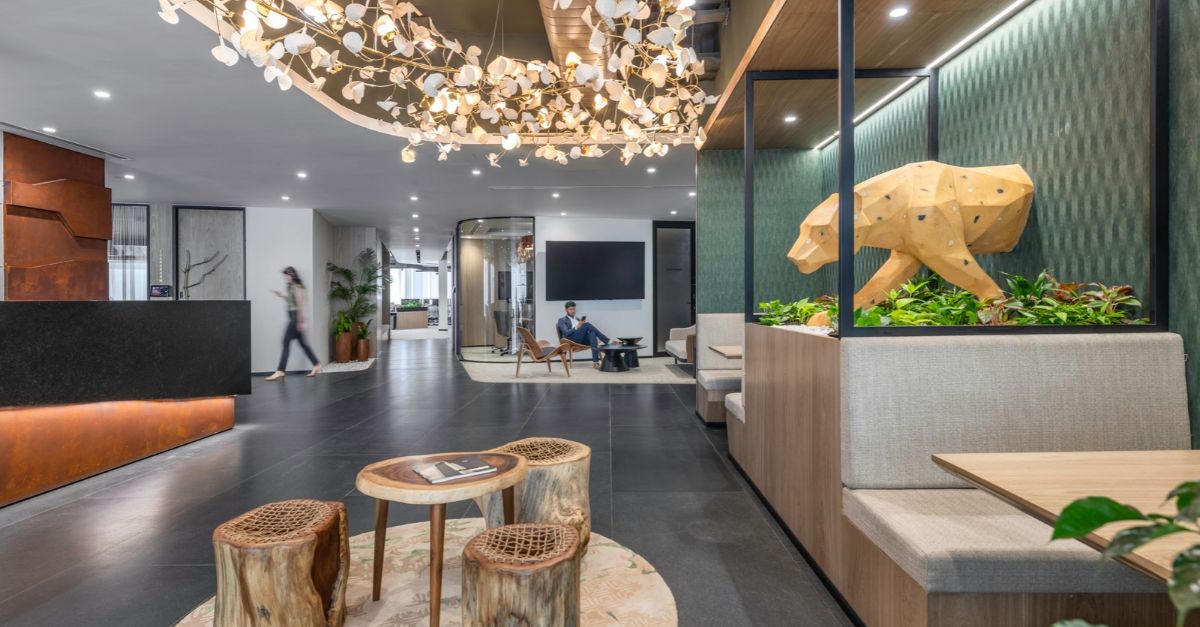
Why Global Workplaces Are Being Reimagined: And Why India Is Where Many Are Taking Shape
by Jessica Wan, Director-Client Solutions, Europe and Anoma Baste, Director-Client Solutions, US
How do we future-proof our organization when work is no longer bound by geography?
Where should leadership, innovation, and customer experience truly sit?
And what should our workplaces say about who we are becoming?
Increasingly, the answers to these questions are taking physical form in India - not loudly, not abruptly, but with growing intent.
What’s emerging across India’s business districts isn’t an office boom driven by volume. It’s a measured, design-led evolution shaped by global expectations.
When Global Strategy Begins to Look East
For many Western-headquartered organizations, India first entered the narrative through delivery and scale. Over time, something shifted.
India’s talent ecosystem matured. Leadership capabilities deepened. Infrastructure caught up with global standards. And suddenly, India was no longer being discussed as an extension of the business - but as a place where important decisions could live.
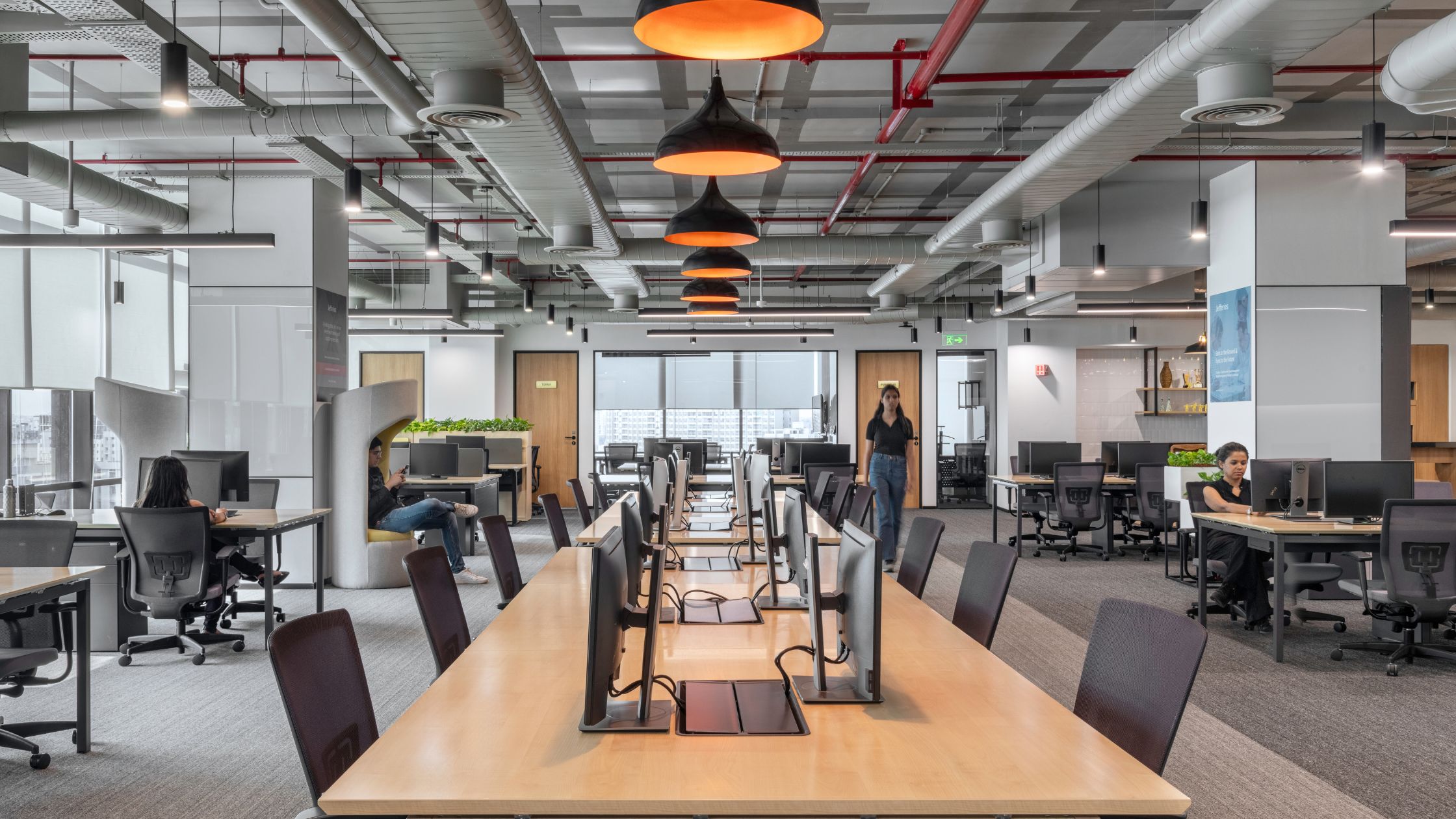
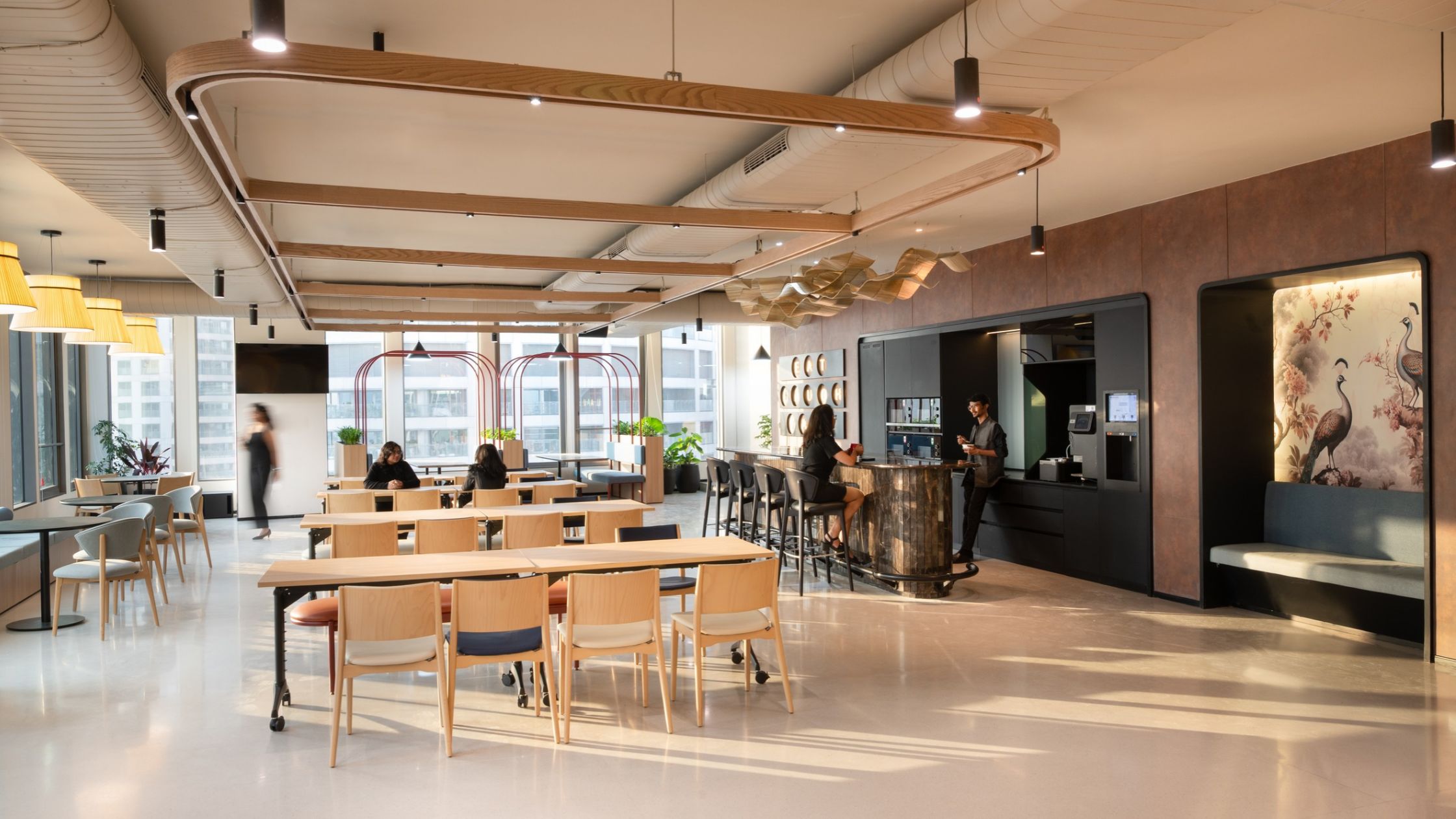
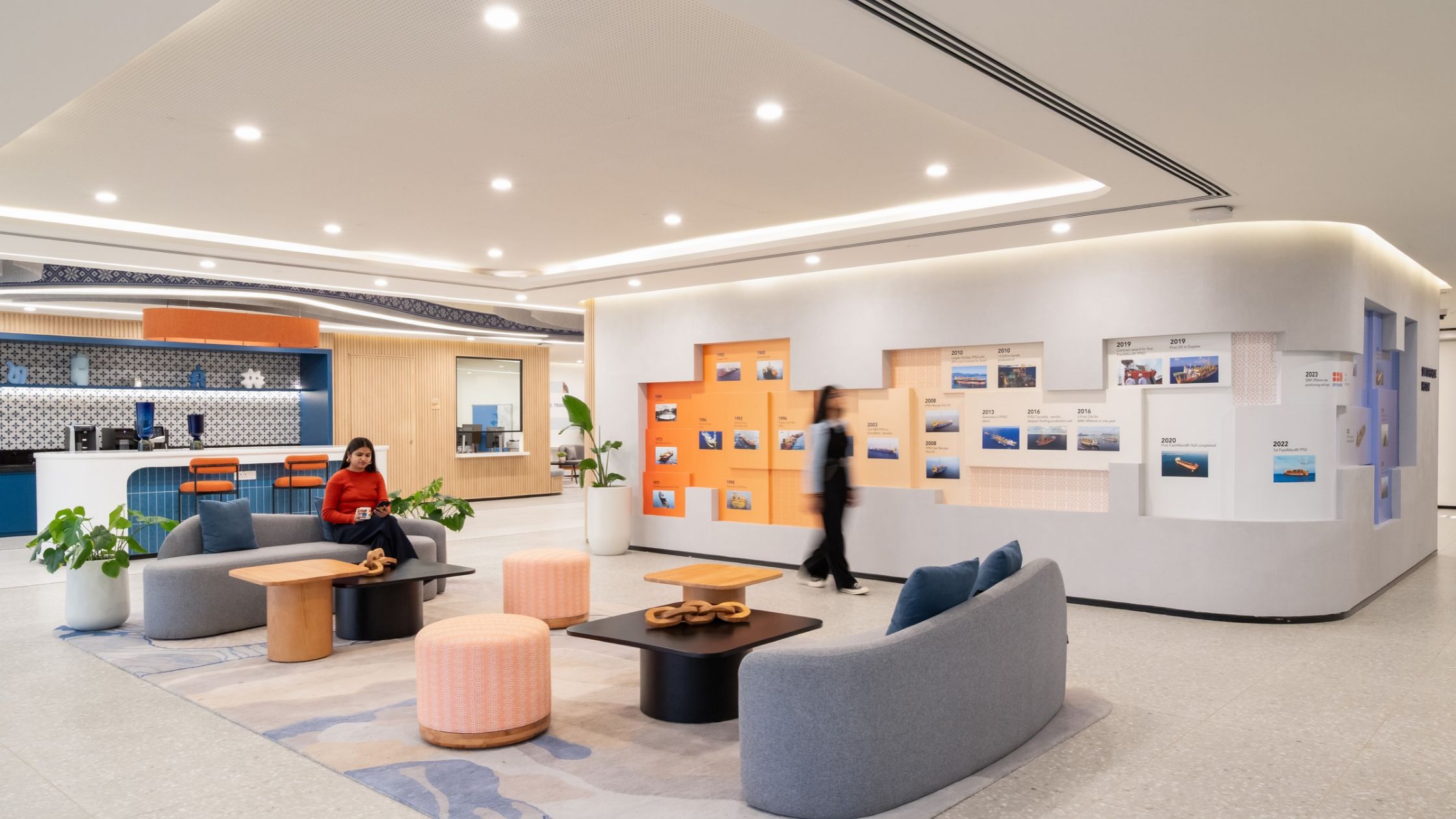
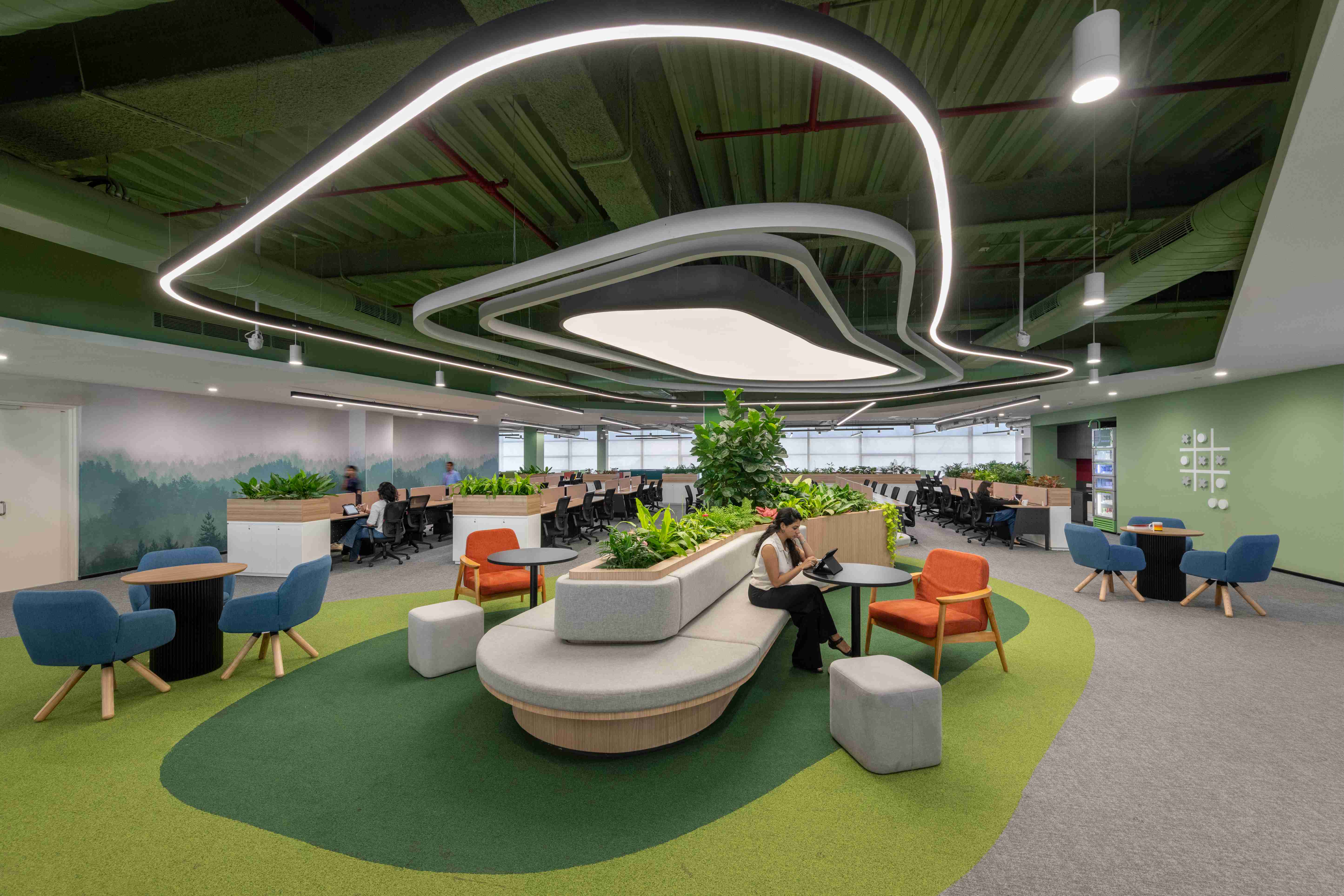
With that shift came a subtle but telling change: offices were no longer designed as operational facilities. They were being conceived as headquarters-grade environments and experience-led workplaces.
Spaces that could host global leaders.
Spaces that could represent the brand with credibility.
Spaces that could stand shoulder to shoulder with offices in London, New York, or Frankfurt.
Design became the differentiator.
Office Design as a Reflection of Global Intent
For companies headquartered in the UK, US, and Europe, office design has always carried meaning. It reflects how organizations think about culture, hierarchy, collaboration, and performance.
That same lens is now being applied to India.
Global organizations are asking:
- Can our India office express the same brand values as our global HQ?
- Can it deliver a workplace experience that meets international expectations?
- Can it support leadership, innovation, and client engagement at scale?
The answer, increasingly, is yes - when design is approached strategically.
Modern office design in India is no longer about adapting global templates. It’s about designing with intent, shaped by local insight and global benchmarks.
Why India Works: Without Needing to Prove It
India’s appeal today is nuanced.
It lies in the density of talent that understands global business but operates with agility. In teams capable of owning outcomes, not just executing tasks. In a workforce that values purpose, flexibility, and well-designed environments as much as peers in Western markets.
For organizations accustomed to high-quality workplace design, this matters.
A well-designed office in India now:
- Competes with global offices in experience and functionality
- Supports hybrid work without compromising culture
- Attracts talent that expects global standards, not regional ones
Design becomes the common language that aligns expectations across geographies.
The Emergence of Experience-Led Workplaces
One of the clearest signals of India’s evolving role is the rise of experience-centric office design.
Global companies are investing in spaces that serve multiple purposes:
- Leadership and collaboration hubs
- Client-facing experience centers
- Cultural anchors for distributed teams
These environments are not designed for scale alone. They are designed for moments - moments of alignment, inspiration, and trust.
For Western organizations used to experience-driven offices, this shift feels familiar. What’s different is where it’s happening - and how seamlessly it integrates into global workplace strategies.
Why Execution Matters as Much as Vision
For UK, US, and European companies, design ambition often lives or dies in execution.
India’s office surge has coincided with the rise of integrated Design & Build partners capable of delivering complex, high-quality workplaces without fragmentation.
The right partners offer:
- Strategic workplace design rooted in business goals
- End-to-end delivery aligned to global standards
- Local execution fluency that reduces risk and accelerates timelines
- The ability to translate global design intent into locally relevant, future-ready spaces
This convergence - global design thinking with local delivery expertise - is what makes India increasingly viable for headquarters-grade offices.
A Familiar Question, in a New Context
At its core, the conversation India is now part of is one UK, US, and European leaders know well:
How do our workplaces support who we are becoming as an organization?
In India, that question is being answered with spaces that are:
- Thoughtful rather than transactional
- Experience-led rather than efficiency-driven
- Designed for longevity, not immediacy
The result is not a departure from global standards - but a continuation of them, in a market ready to support their ambition.
Designing What Comes Next
India’s office surge is not a trend - it’s a reflection of changing global realities.
As work decentralizes and leadership distributes, organizations will continue to seek locations that offer talent, scale, and credibility. Increasingly, they will also seek design maturity - the ability to create workplaces that perform, inspire, and endure.
India now offers that possibility.
Not as an alternative to global headquarters - but as a natural extension of them.
And in that evolution, office design is doing what it has always done best for global organizations: quietly signaling intent, capability, and confidence.