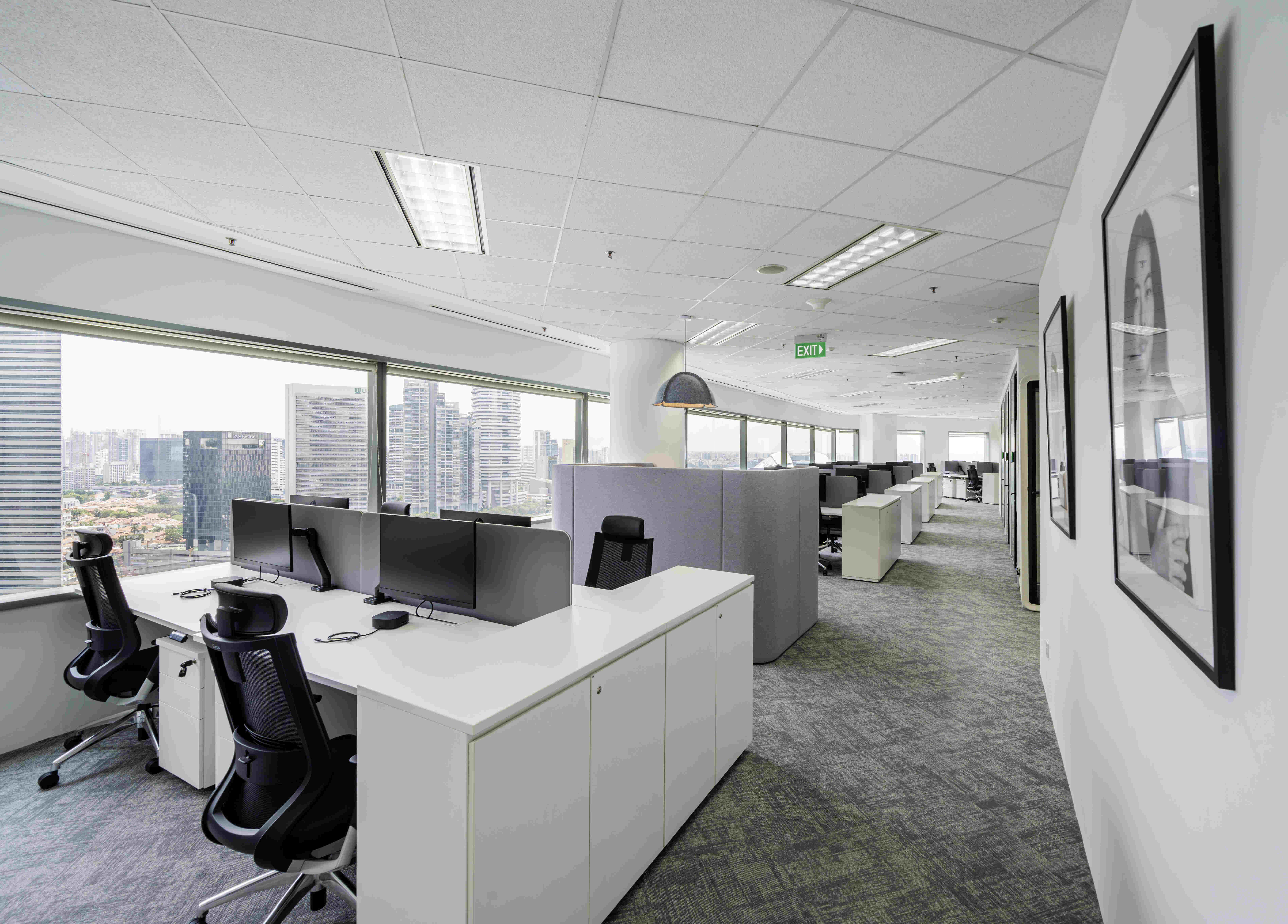
Why Your Law Office Feels Empty (And What to Do About It)
You walk into your office on a Monday morning. The lights are on, the furniture is pristine, but the desks are half-empty. Sound familiar?
Many law firm leaders are walking into that same scene, not because their teams have disappeared, but because the workspace they invested in years ago no longer reflects how people actually work, collaborate, or meet clients today.
The traditional law office was built around confidentiality, hierarchy, and private rooms. While those needs haven't gone away, they now coexist with new expectations for connection, seamless technology, and flexible work arrangements. That gap between what the space was designed for and what your teams now need is often the real reason your office feels empty.
What’s Changed in the Legal Workplace
The legal workplace has evolved more rapidly than many other offices. Hybrid schedules are now the norm, digital case management has largely replaced paper-based work, and client collaboration occurs just as often through a screen as it does across a conference table. Yet many firms are still operating in spaces built for another era. There can be long corridors of closed doors and layouts that unintentionally keep people apart. No surprise, then, that recent workplace studies show law firms now have some of the lowest space-utilization rates in the professional services sector. When the work becomes more fluid but the environment stays rigid, the disconnect becomes visible in every empty workstation.
At the same time, the next generation of lawyers is walking in with very different expectations. They want spaces that feel purposeful and places where they can focus intensely, yes, but also connect, learn, and be part of something dynamic. They're seeking a modern law office design that enables individual work and collective problem-solving, rather than rows of private cabins that reinforce silos. That's where thoughtful law office interior design and strategic law office design ideas make a real difference. They help transform underused square footage into environments that support mentorship and keep top talent engaged.
The Real Reasons Your Office Feels Empty
Before you think of modern law office designs, it helps to understand why your office feels so quiet. The reasons are less about absenteeism and more about how the space itself supports work, connection, and experience.
1. One-Size-Fits-All Layouts Don’t Work Anymore
Traditional layouts still assume that every lawyer works the same way, doing the same type of task, all day long. But focused research, collaborative case work, and confidential client discussions each need different kinds of spaces. When the environment doesn’t support that variety, people instinctively avoid it. A workplace that can’t flex becomes a workplace that goes unused.
2.The Missing Human Experience
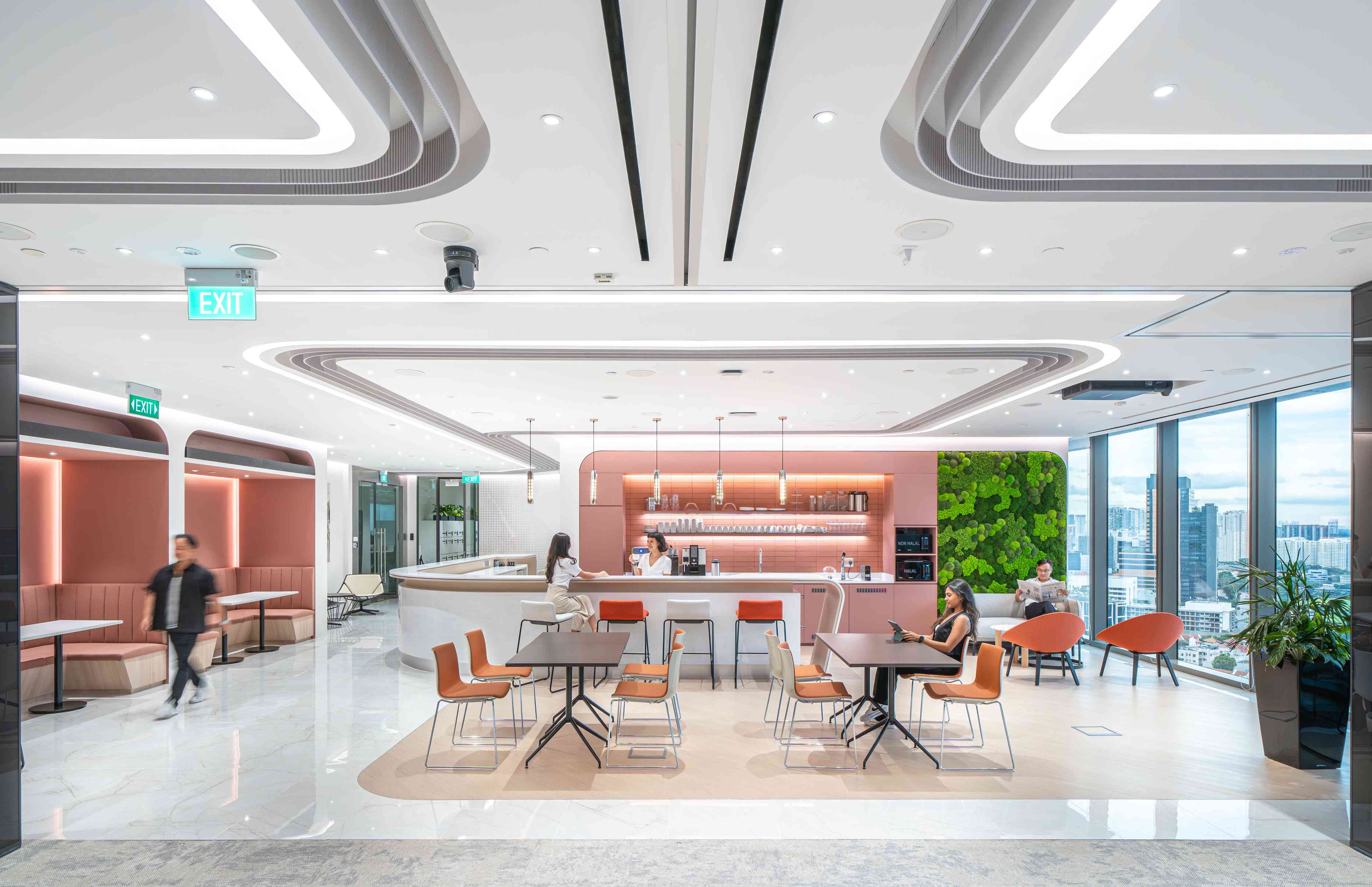
Many older offices were designed for function, not feeling. They lack warmth, natural light, greenery, texture, and soft seating areas that signal comfort and a sense of belonging. Without these human-centered touches, the office feels like a transactional environment. It does not look like a place where people want to spend time, connect, or recharge. Small interventions in law office interior design can significantly enhance the inviting feel of a space.
3.The “Out of Sight, Out of Sync” Problem
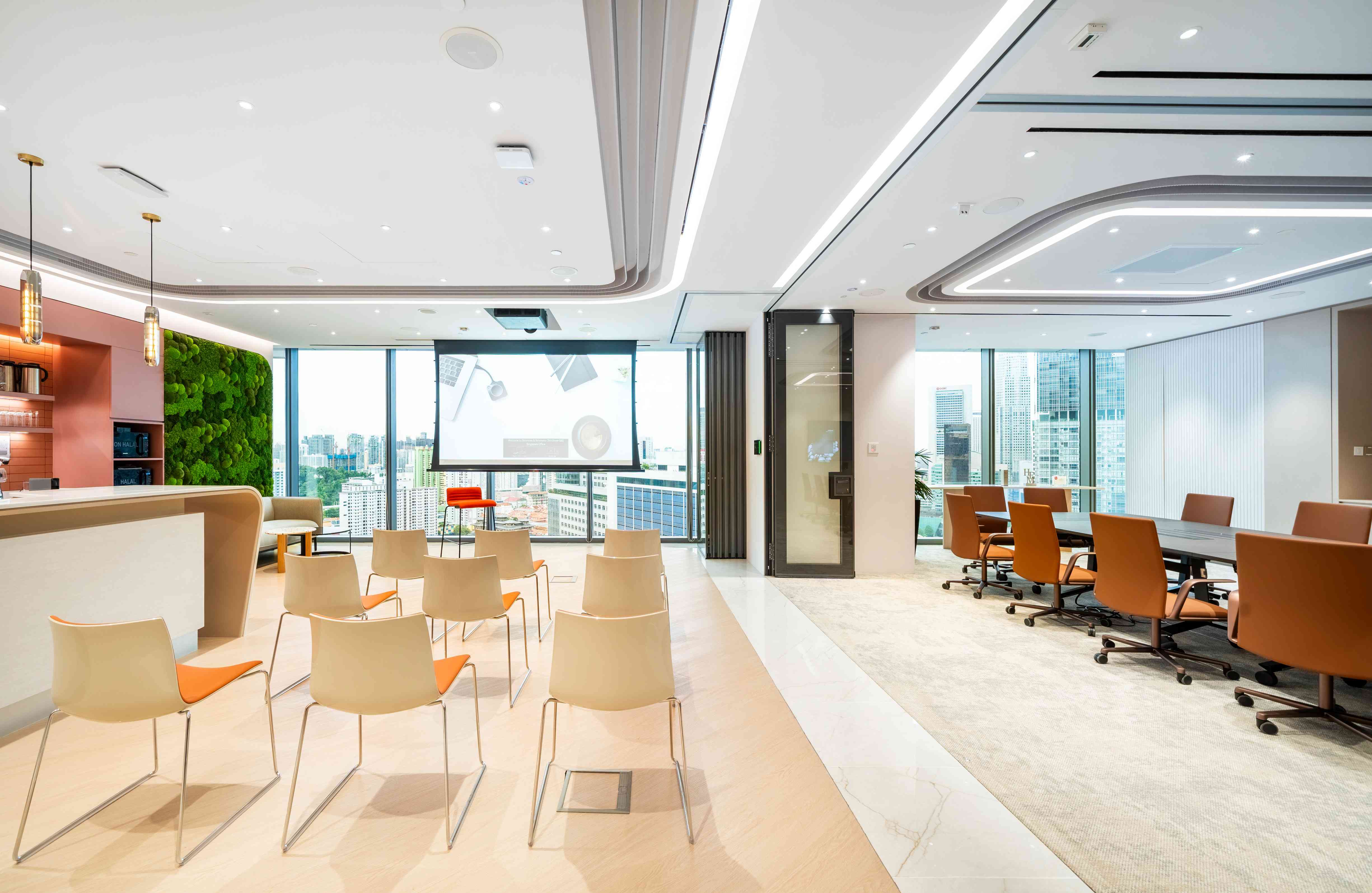
Hybrid work only succeeds when the physical environment supports it. For example, startup office designs without tech-integrated collaboration rooms, private video booths, or acoustically controlled spaces make in-person days feel fragmented and less productive. When remote and in-office experiences don't align, employees tend to gravitate toward the one that feels easier, usually their home.
4.Old-World Prestige, New-World Expectations
Many firms still associate status with marble receptions, heavy wood paneling, and rows of private cabins. However, today's clients and talent are drawn to environments that signal transparency and a forward-thinking approach. This is where modern law office design, innovative law office design ideas, and a more contemporary approach to workplace expression can replace emptiness with energy, without compromising professionalism or privacy.
What Modern Law Firms Are Doing Differently
Modern law firms around the world are rethinking what it means to have a prestigious office. Gone are the days when status meant rows of private cabins and formal meeting rooms. Today, firms are adopting activity-based working and collaborative workspace designs that support focused research and client engagement in a fluid environment. Privacy is no longer about isolation. Instead, it is smart acoustics, frosted glass, and thoughtful spatial zoning that allow confidential conversations without cutting people off from the office energy. Technology is seamlessly integrated, from video-conference-enabled rooms to hybrid-friendly setups, while hospitality-inspired touches create environments that are both welcoming and functional.
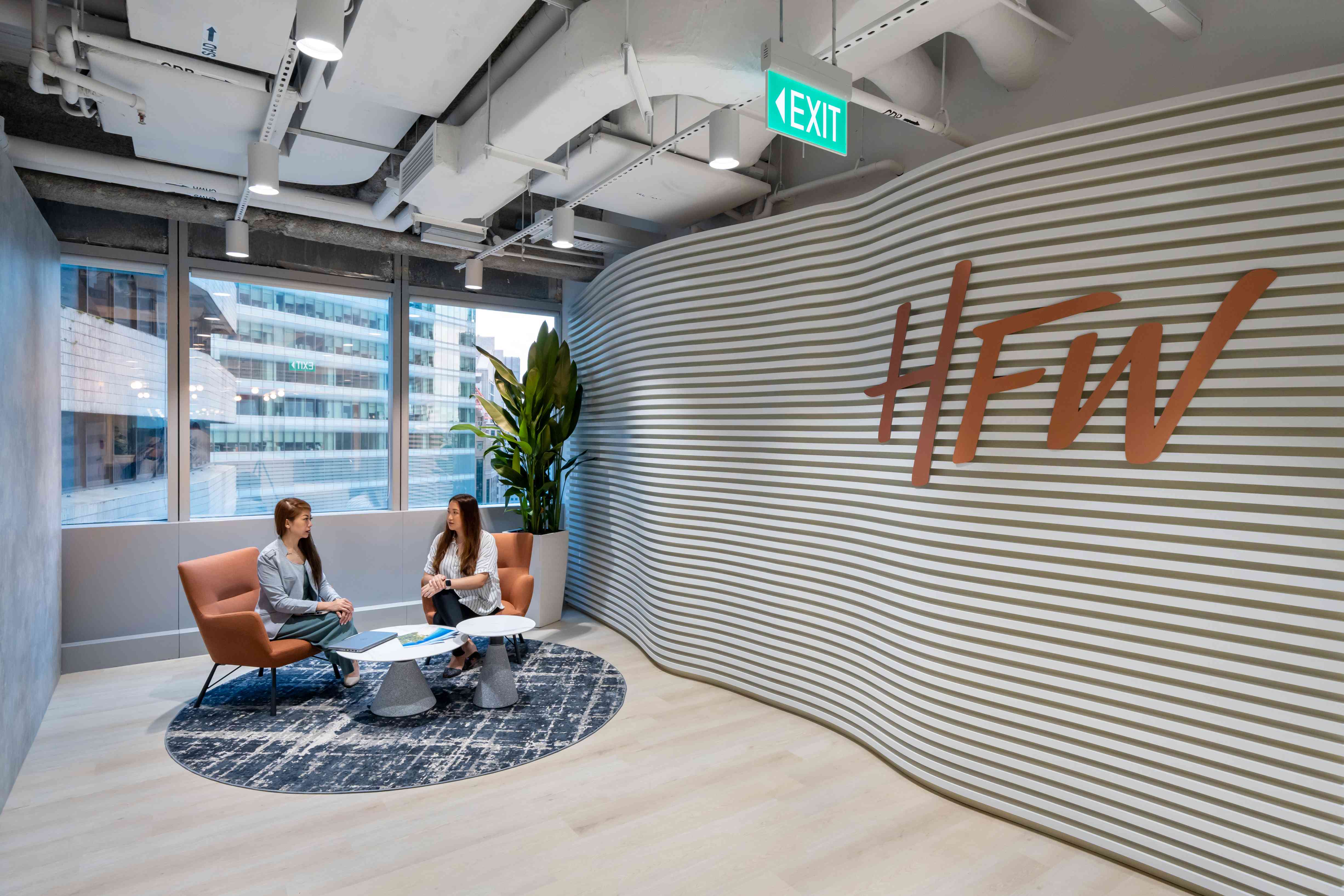
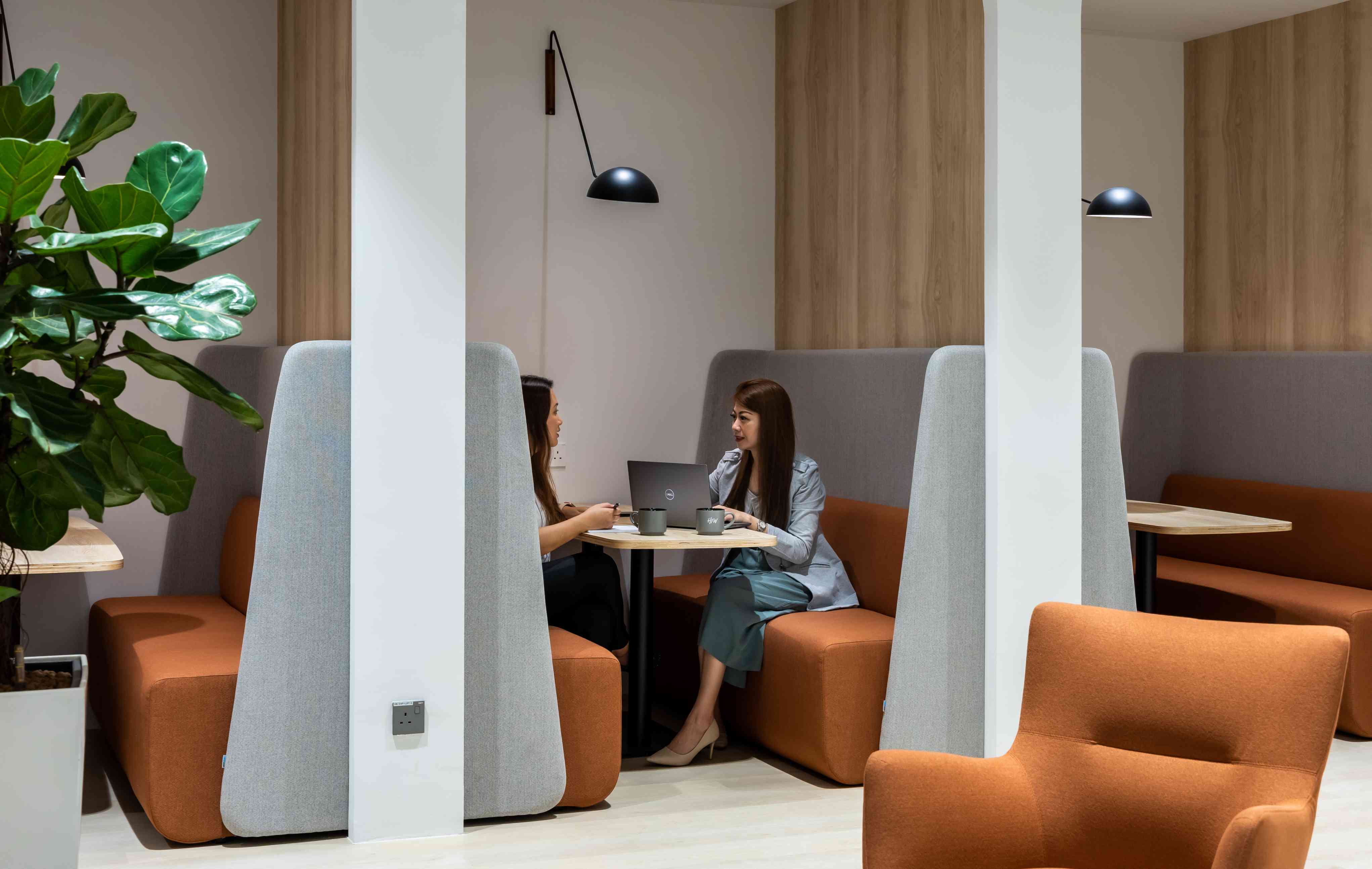
A shining example of this shift is the transformation of HFW Law Firm in Singapore. Recognizing that their traditional, enclosed office no longer met the evolving needs of lawyers or clients, HFW partnered with Space Matrix to rethink every aspect of the workspace. Using design thinking principles, the firm introduced a modern law office design that blends flexibility, collaboration, and a strong sense of place. From the workspatiality-inspired arrival lounge and multifunctional breakaway spaces to private offices with integrated technology, the design emphasizes choice, efficiency, and well-being. The Contemplative Space offers a sanctuary for focus and relaxation, while reconfigurable furniture and hybrid-ready rooms facilitate seamless collaboration. Through these thoughtful interventions, HFW's office has become a dynamic environment that reflects the firm’s culture and elevates client experience.
How Design & Build Partners Add Value
Designing a law office calls for a different approach than designing a tech workplace. The priorities are distinct: confidentiality, credibility, and clarity of hierarchy need to coexist with flexibility, collaboration, and day-to-day comfort. Getting this balance right depends less on visual statements and more on an informed understanding of how legal teams actually work.
An experienced design and build partner brings value by recognising these nuances early. From how hybrid teams move between focused work and collaboration, to how spatial planning can acknowledge hierarchy without limiting interaction, decisions are shaped by the operational realities of legal practice rather than generic workplace trends.
This role extends beyond design intent. Strategic discovery, space-use analysis, and coordinated build execution help translate requirements into spaces that function consistently over time. Attention is also given to longevity - through adaptable layouts, durable materials, and sustainability considerations - so the office can evolve as the firm does, without frequent disruption.
With experience across professional services environments and projects delivered in multiple regions, Space Matrix works alongside law firms to navigate these considerations thoughtfully, supporting workplaces that are practical, credible, and built to adapt.
The Road Ahead – Turning Empty into Engaged
The road ahead is clear. Today’s law office is no longer just a collection of desks and meeting rooms. It is a living reflection of your firm’s values, culture, and confidence. Modern law office design, thoughtful office interior designs, and innovative office design ideas aren’t just aesthetic choices. They are also strategic tools that shape how your teams collaborate, how clients experience your firm, and how your culture thrives. It's time to turn quiet corridors into connected communities. Let's design a law office where every space and every person has a purpose.
We use cookies to enhance your experience on our website, provide personalized content, and analyze site traffic.
By clicking "Accept All", you consent to our use of cookies. You can also choose "Preferred Cookies"
to select specific types of cookies that align with your preferences.
Essential cookies are always enabled to ensure website functionality.
You can choose to have only Essential cookies if you prefer minimal tracking.
Your choice regarding cookies on this site
Please choose whether this site may use Functional and/or Personalization cookies, as described below.
By selecting Required cookies only, you are requesting us not to sell or share your personal information.