Workplace Wellness Metrics Every Leader Should Track
Burnout rarely arrives with warning signs. It builds quietly through slower decisions, weaker collaboration, declining creativity, and teams that are physically present but mentally absent.
The World Health Organization classifies burnout as an occupational phenomenon, not an individual failure. Globally, stress and burnout are estimated to cost the economy more than 1 trillion dollars each year in lost productivity. Despite this, many organisations still approach workplace wellness as a reactive initiative rather than a structural one.
The reality is simple. Most early signals of burnout appear in how people experience space long before they surface in engagement surveys or exit interviews.
For leaders, workplace wellness is no longer a soft conversation. It is a measurable business variable.
Burnout Is a Systems Failure, Not a Personal One
Burnout is often discussed as a people issue. In practice, it is a systems issue.
Gallup’s global research shows that disengaged teams experience 18 percent lower productivity and 23 percent lower profitability. Research reveal that nearly 70 percent of executives rank employee wellbeing as critical to long-term success, yet fewer than half believe their organisations are equipped to address it effectively.
This gap exists because wellness efforts typically focus on policies or workplace wellness programs, while ignoring the physical environments where work actually happens. Lighting, acoustics, spatial density, and circulation patterns influence cognitive load, stress levels, and decision fatigue every day.
When high performance is expected in spaces that are not designed to support human energy, burnout becomes inevitable.
HumAI - From Wellness Programs to Workplace Intelligence
A growing number of organisations are shifting from wellness as a perk to wellness as infrastructure.
In AI-enabled workplaces, building systems capture data on air quality, temperature, occupancy, lighting, and movement. Post Occupancy Studies across workplaces show that improved indoor air quality can enhance cognitive performance by up to 61 percent. Access to daylight and views has also been linked to improved sleep quality and reduced stress levels.
However, data alone does not improve workplace wellness.
The strategic advantage lies in translating insight into action through intentional spatial planning. This is where thoughtful office design ideas become critical, ensuring that data-driven decisions actively support focus, movement, and mental recovery across the workday.
When design responds to human behaviour, workplaces evolve into adaptive environments that reduce friction and restore energy.
Designing Against Burnout Is a Leadership Decision
Burnout prevention begins long before it appears in HR metrics. It begins with design intent.
High-performing workplaces are planned around cognitive rhythms rather than headcount alone. They balance environments for deep focus with spaces that enable connection, integrate movement naturally into daily routines, and offer sensory variation to prevent mental fatigue.
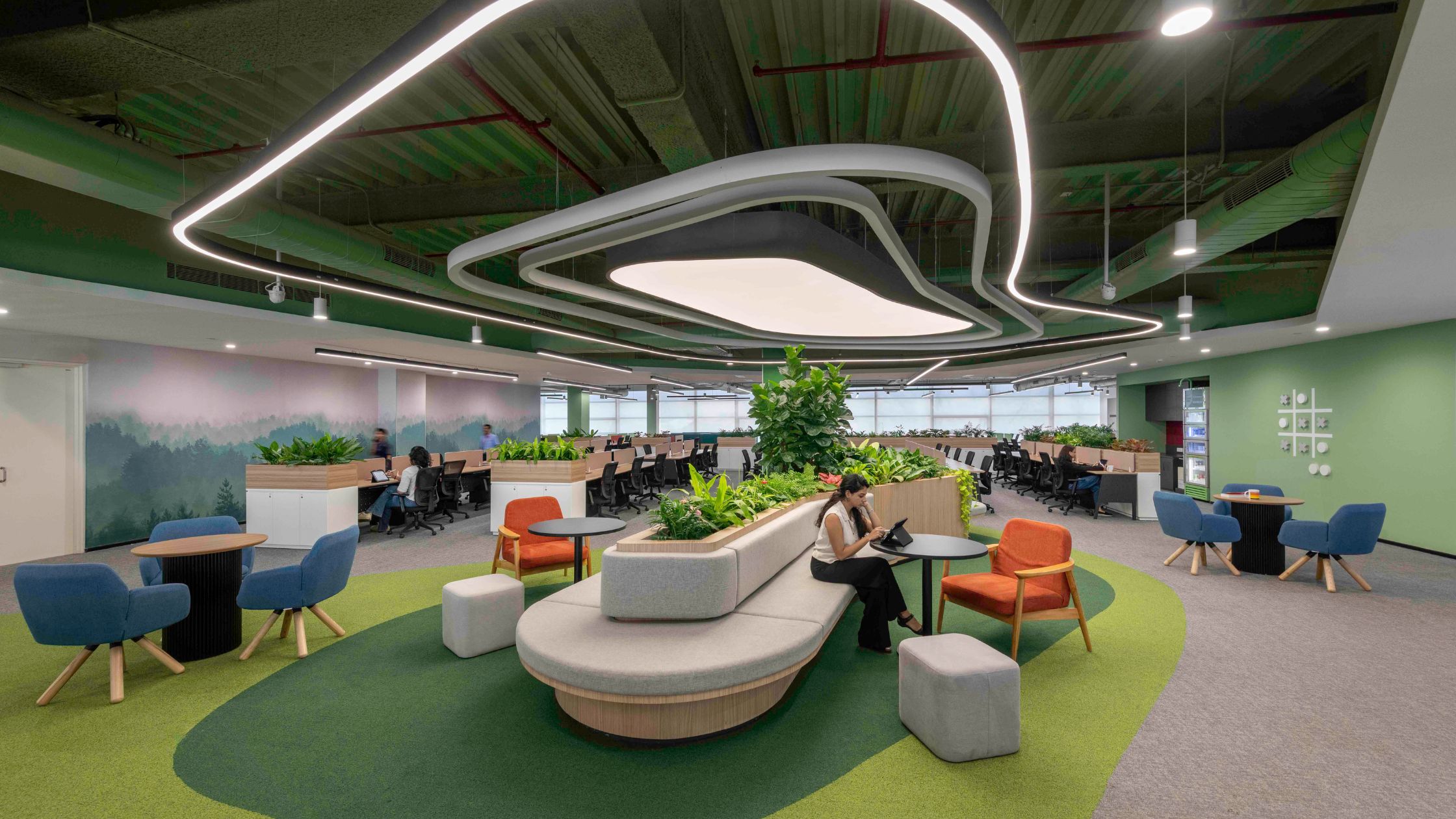
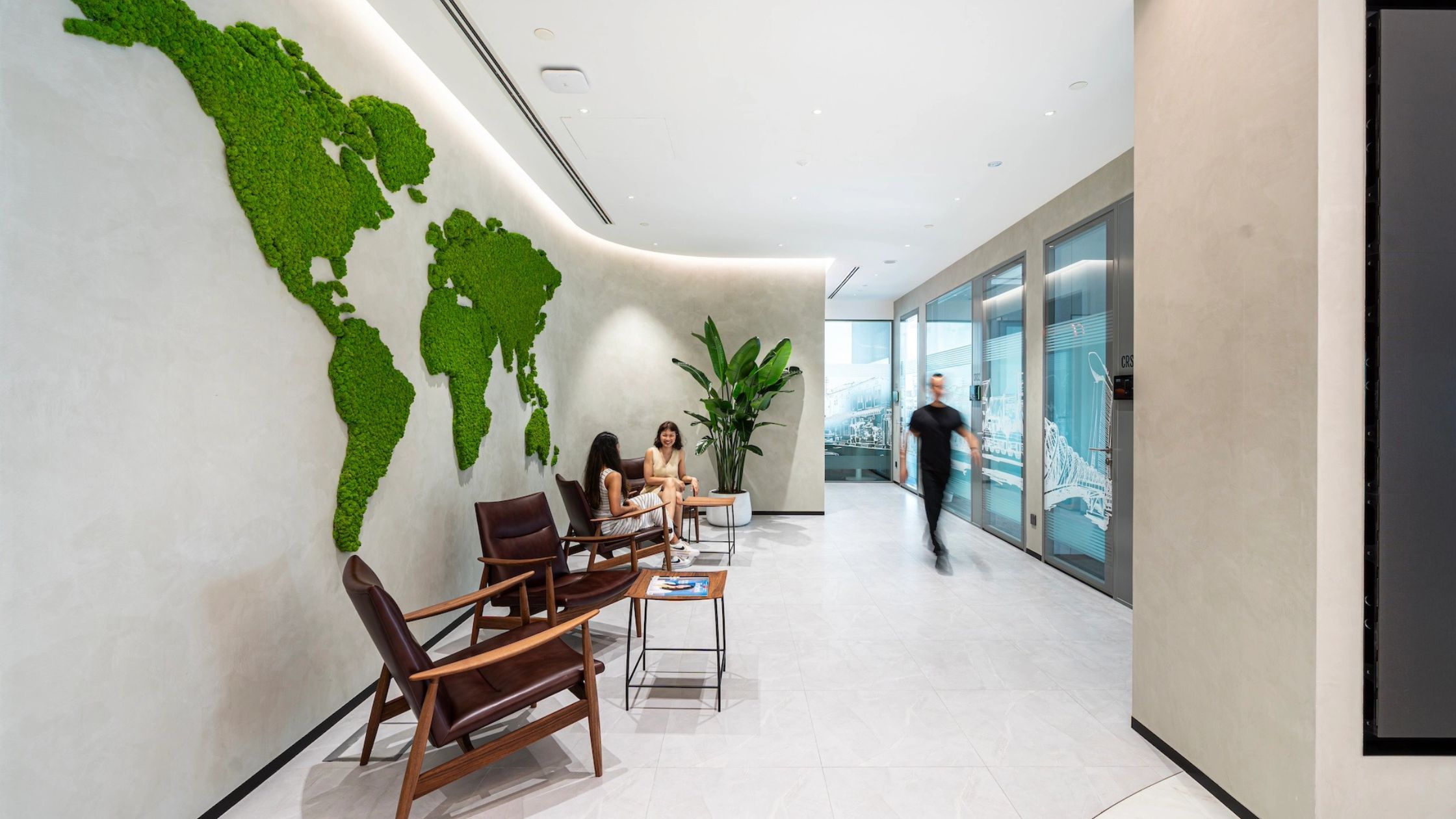
Global workplace studies show that choice-based environments increase perceived autonomy and engagement while reducing stress. Biophilic elements have been linked to up to a 15 percent increase in wellbeing and creativity. Meanwhile, effective collaborative workspace design strengthens social connection without overwhelming teams.
When these strategies are evaluated through post-occupancy insights, workplace wellness shifts from intuition to evidence.
The Wellness Metrics That Drive Performance
If workplace wellness is strategic, it must be measured with discipline.
Progressive organisations track metrics that reveal how space influences human performance, including:
Utilisation versus satisfaction to assess whether popular spaces actually support comfort and focus
Collaboration intensity versus cognitive overload to avoid constant overstimulation
Indoor environmental quality including air quality, lighting levels, and acoustic comfort
Movement patterns that indicate sedentary behaviour or healthy activity
Real-time employee sentiment linked to specific environments
These indicators act as early signals of fatigue, disengagement, and attrition, allowing leaders to intervene before performance declines.
Organisations that align spatial data with workplace wellness programs consistently report higher retention, fewer sick days, and greater resilience, particularly in high-growth environments.
Leading with Empathy and Intent
Workplace wellness is ultimately a leadership signal.
When leaders invest in people-centred design and integrate wellbeing into the physical environment, they demonstrate that care and performance are not competing priorities. They are interdependent.
The future of work will favour organisations that measure wellness as rigorously as revenue and design workplaces that protect energy, enable focus, and strengthen human connection.
Because sustainable performance is not built by working longer hours. It is built by environments that allow people to do their best work consistently, thoughtfully, and well.