By: Space MatrixLast updated on: September 29, 2026
Save
Share
Email
Cities that Gave Us the Most Challenging Workplace Brief We’ve Ever Received. Here’s What We Built.
The biggest challenge in the GCC workplace strategy is designing for cities that operate differently. As GCCs take on more strategic roles, a one-size-fits-all workplace model no longer works. Every location brings its own mix of talent expectations, business priorities, cultural nuances, and growth pressures, demanding a unique response.
Some of the most challenging GCC briefs we have worked on were not defined by design complexity, but by the need to solve these distinctly local business problems. Looking across projects in different markets, one thing became clear: the city itself often shapes the workplace strategy as much as the organisation behind it.
The Shift – Global Capability Centres Are No Longer “Back Offices”
The traditional view of GCCs as low-cost support centres is rapidly becoming obsolete. Today's GCCs must lead product engineering, AI development, innovation, and enterprise-wide decision-making while operating as strategic extensions of global headquarters. This raises an important question about what defines and distinguishes a modern global capability centre. It is no longer a location that executes work but one that creates business value, develops talent, and drives competitive advantage. As the mandate evolves, the workplace must evolve with it.
This is where transformation becomes more than an operational exercise. Future-ready GCCs need workplaces that strengthen culture, attract high-value talent, and encourage collaboration. And successful GCCs are those where people, place, and technology work together to support innovation and growth, rather than just house employees.
As strategic expectations increase, the office becomes a business tool that shapes employee experience, organisational culture, and long-term enterprise performance.
Bangalore – Designing for Talent Gravity
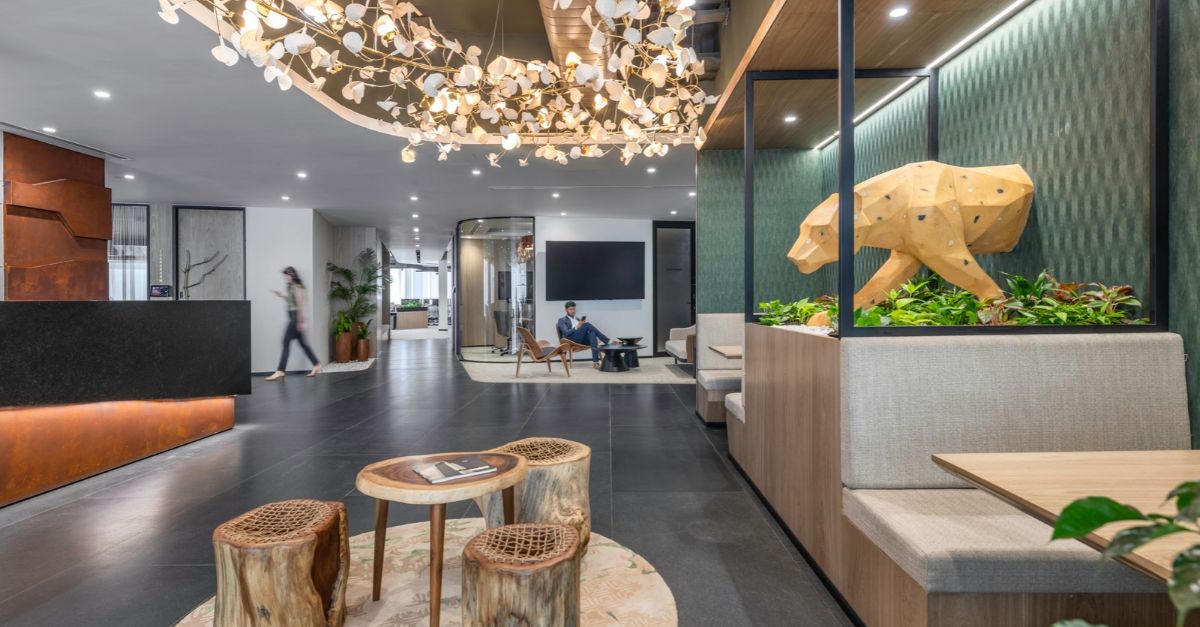
Bangalore has become one of the most competitive destinations for a modern global capability centre, where the race for skilled talent is as intense as the race for innovation. The challenge for organisations is no longer simply accommodating growth but creating workplaces that can encourage collaboration and support long-term business ambitions. As hybrid work reshapes employee expectations, the office must offer experiences that startups, global technology companies, and flexible work models cannot easily replicate.
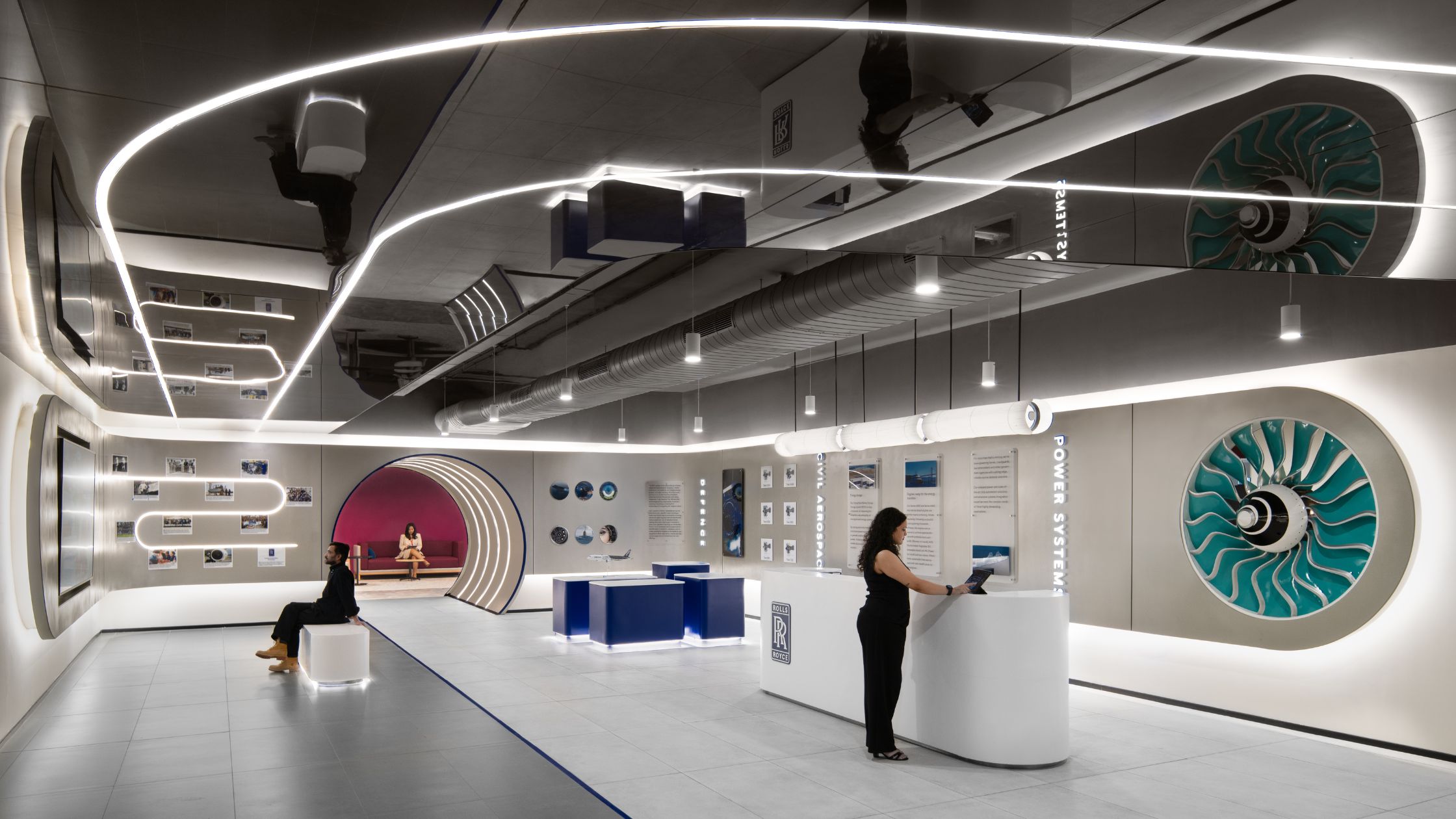
This shift is at the heart of GCC transformation. For Rolls-Royce, establishing its largest engineering hub globally meant creating an environment that could unify diverse business units while reinforcing Bangalore's role as a strategic innovation centre. Rather than relying on conventional planning, the workplace is organised into identifiable neighbourhoods with collaboration spaces embedded throughout the floorplate and a central social hub that encourages informal knowledge sharing across teams.
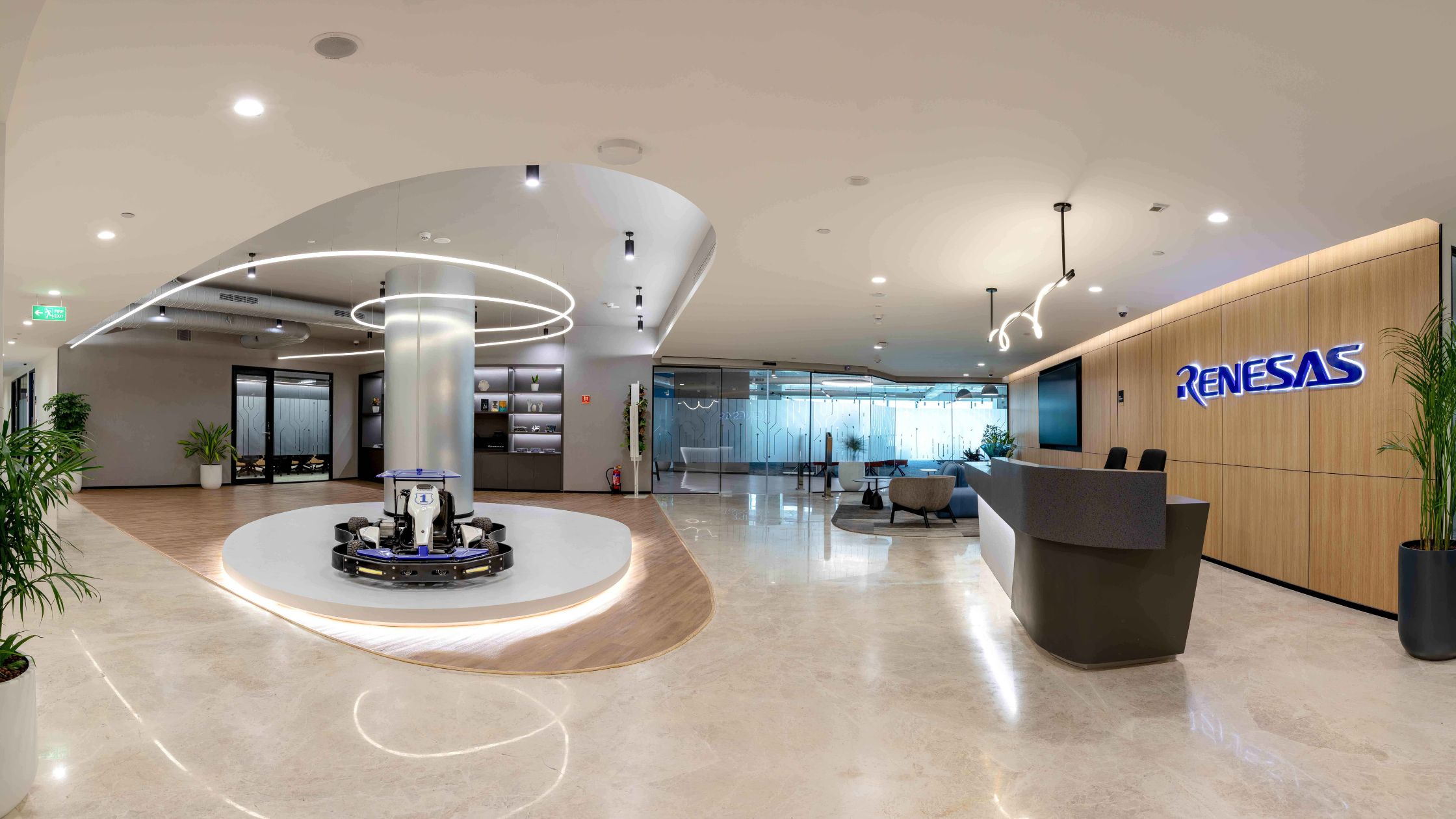
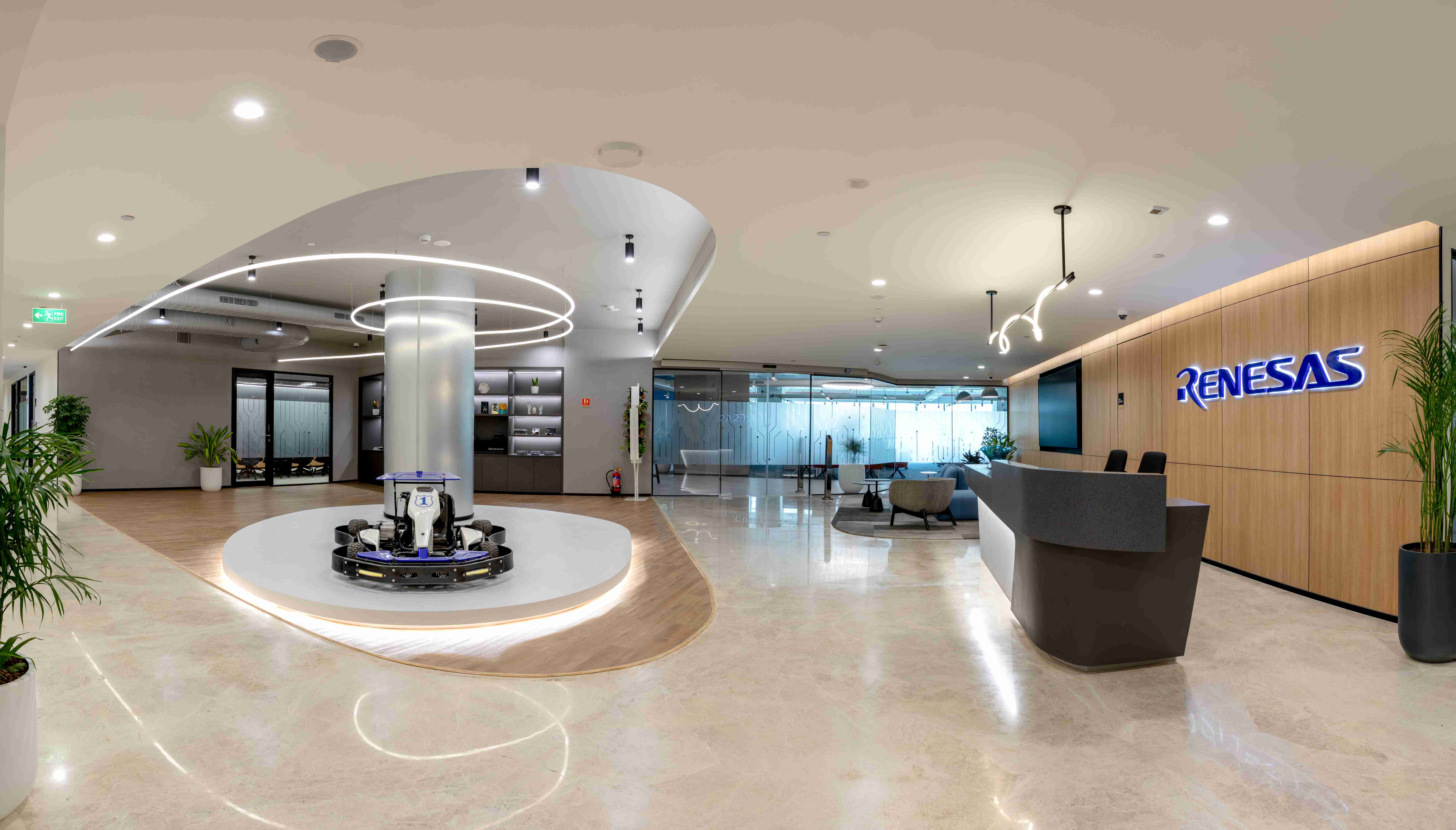
Renesas faced a different challenge. Bringing together multiple organisations under one roof required a workplace that protected deep-focus semiconductor research while enabling cross-functional collaboration and customer engagement. Strategic zoning, distributed meeting spaces, and carefully planned interaction points help balance concentration with innovation without creating operational silos.
What these office interior design ideas reinforce is that Bangalore workplaces are increasingly designed around talent gravity rather than solely on operational efficiency. High-performing GCCs need environments that strengthen organisational culture and scale alongside business growth. The workplace then becomes a strategic asset that helps organisations attract exceptional people and maintain relevance in one of the world's most dynamic talent markets.
Chennai – Designing for Cross-Cultural Innovation
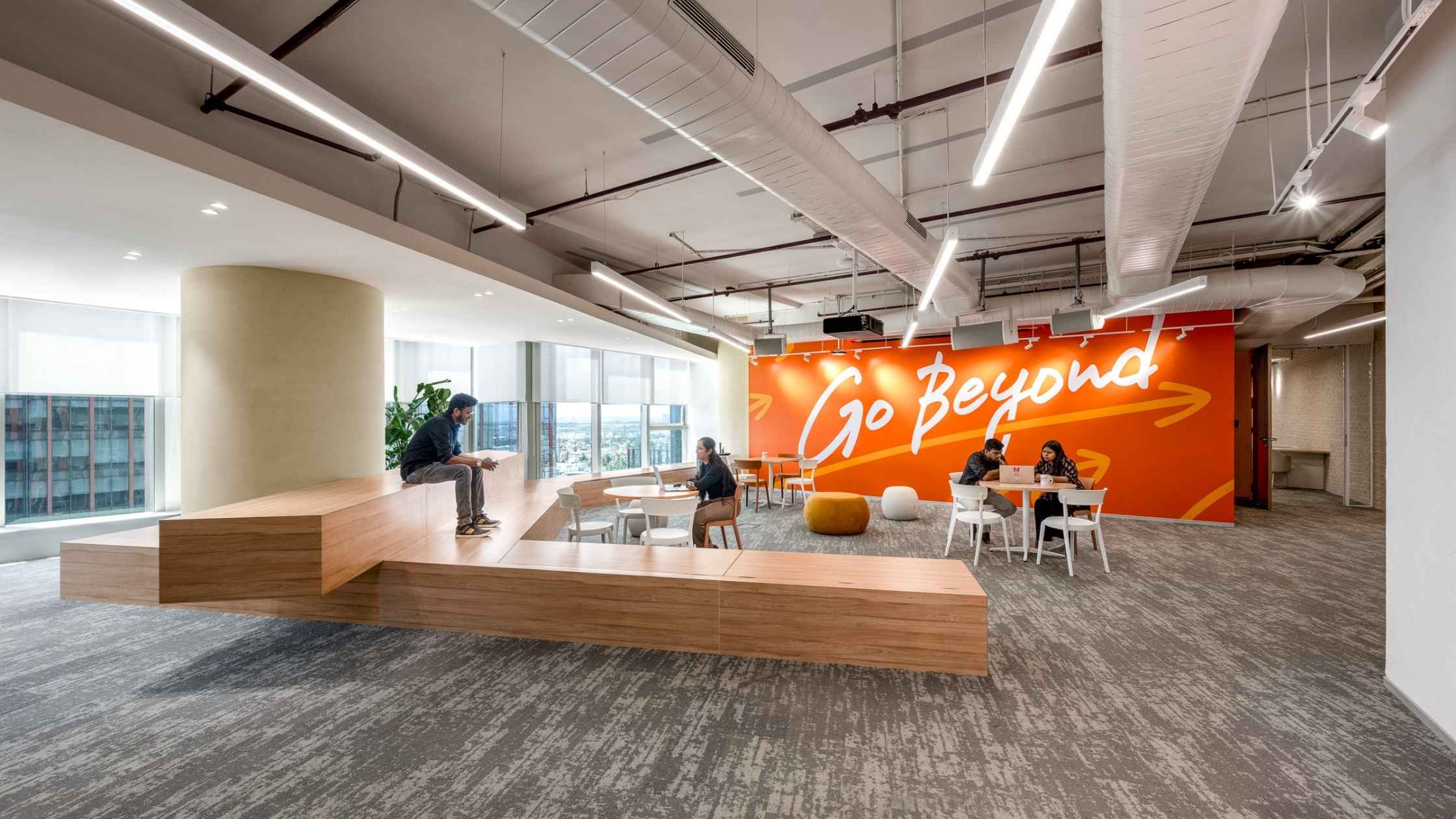
Chennai demonstrates that the most complex workplace challenges are often cultural rather than operational. For a modern global capability centre, success depends on bringing together different ways of thinking without forcing one to imitate the other. Money Forward's Chennai workplace reflects this reality. The objective was not to recreate a Japanese office in India but to translate the company's values into an environment that resonated with local talent while supporting global business goals. Open collaboration zones balance with quiet focus areas, while modular planning and flexible spaces allow teams to move seamlessly between deep engineering work and fast-paced innovation.
The Money Forward project reinforces an important lesson about Chennai's evolving GCC ecosystem. The strongest workplaces are designed through translation and not replication. Traditional materials combined with contemporary elements create a sense of cultural familiarity without relying on stereotypes, while scalable planning and sustainable systems ensure the workplace can grow alongside the business. More importantly, the office transformed innovation from a corporate aspiration into a daily experience, giving employees the flexibility and inspiration to perform at their best.
Singapore – Designing for Regional Influence in Limited Space
Singapore proves that workplace strategy is not always about creating more space but making every square foot work harder. For a modern global capability centre and regional headquarters, the challenge is balancing executive collaboration and multi-country operations within a premium real estate market. This raises an important question. What does workplace transformation look like in a city where expansion is limited? It means designing workplaces with precision, where every element supports multiple business outcomes.
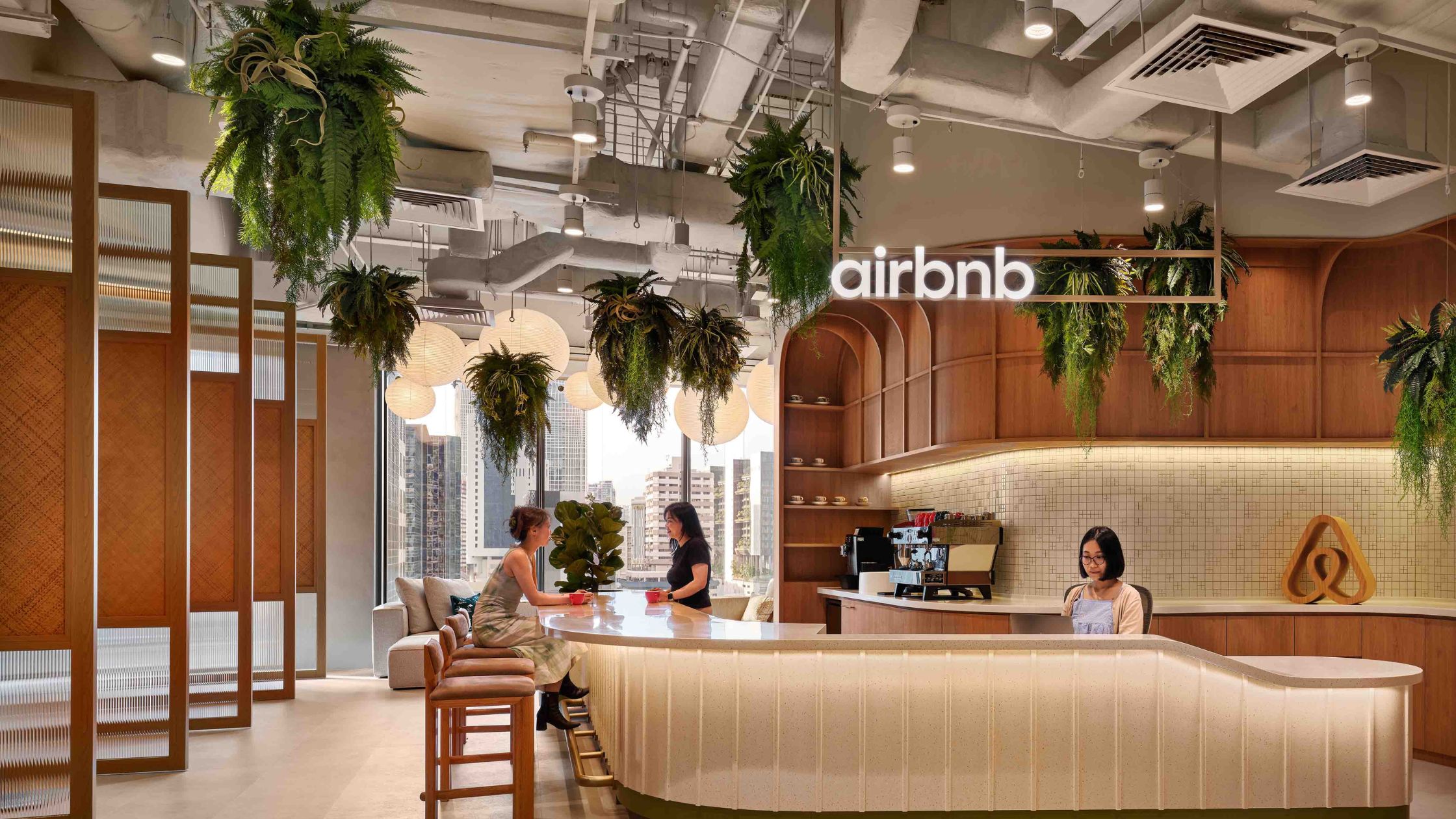
Airbnb approached this by reimagining its Asia-Pacific headquarters as a living expression of its brand. They have blended heritage with innovation through layered storytelling, distinctive themed spaces, and hospitality-inspired experiences.
Nutanix presented a different but equally strategic challenge. Its Singapore office needed to function as a high-performance regional headquarters while doubling as an immersive customer experience centre. Rather than separating these objectives, the workplace brought them together through fluid collaboration zones, technology-enabled environments, and intuitive visitor journeys that reinforce the brand at every touchpoint.
The lesson from Singapore is that successful workplaces are designed with intention rather than excess. High-performance layouts, multifunctional environments, and carefully curated experiences allow organisations to maximise value without sacrificing quality or identity. In a city where growth is constrained by space, the workplace itself becomes a strategic asset, supporting regional influence and strengthening brand perception.
Mumbai – Designing for Performance Density
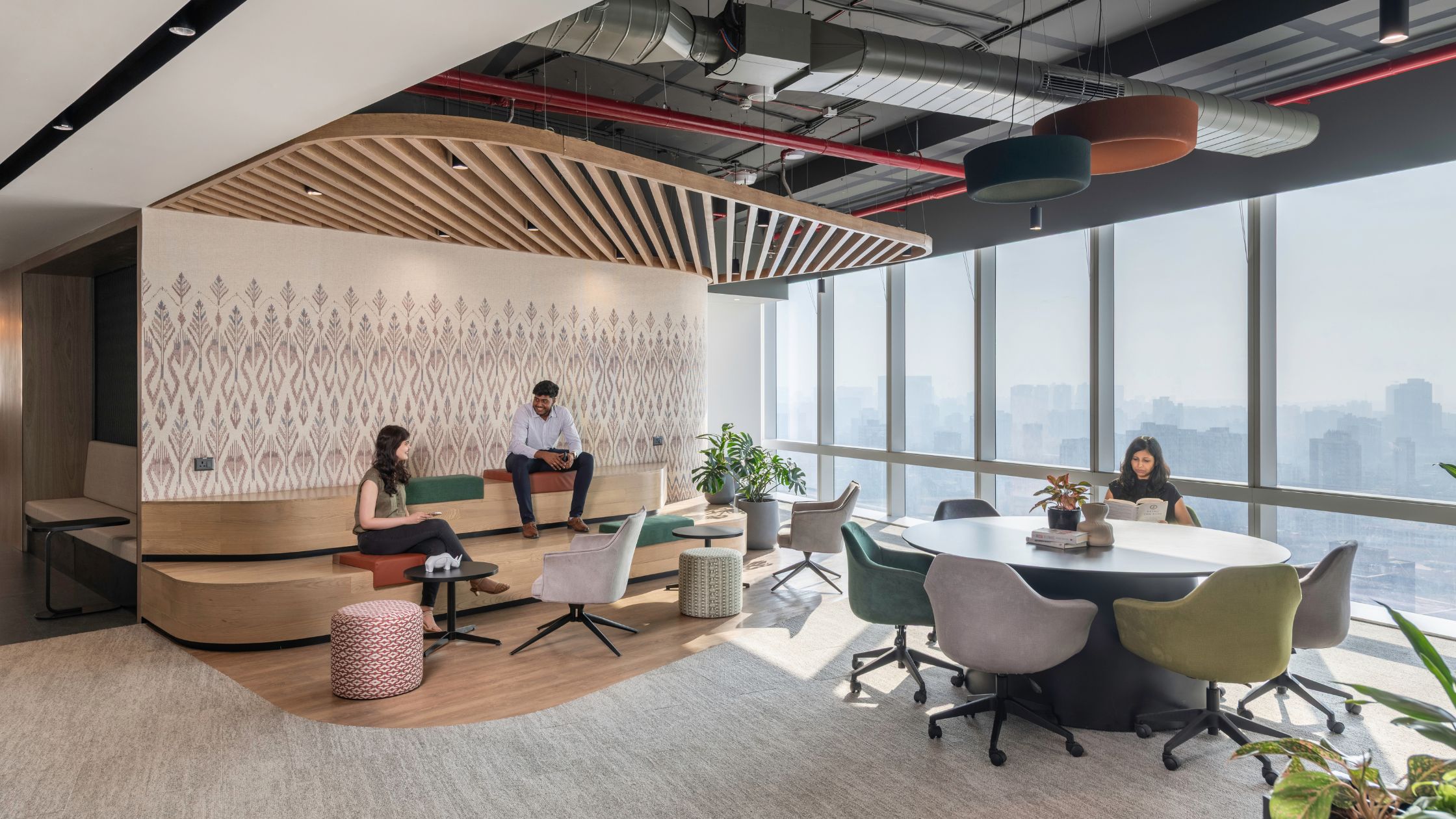
Mumbai teaches an important lesson about workplace strategy. Success comes from reducing friction rather than creating spectacle. For a modern global capability centre, the city's premium real estate and high-performance business culture demand environments that support every decision and promote trust. This naturally raises the question of what GCC transformation means in a market like Mumbai. It means creating workplaces that can accommodate growth and complexity without compromising focus, privacy, or operational excellence.
Russell Investments and IMC approached the same challenge from different perspectives but arrived at a similar conclusion. For Russell Investments, the priority was moving beyond the traditional perception of an operations centre to create a workplace that blends global brand values with local identity. IMC, meanwhile, transformed rapid business growth into an opportunity to build a workplace that reinforces culture while supporting high-performance trading operations.
Gurgaon – Designing for Identity at Speed
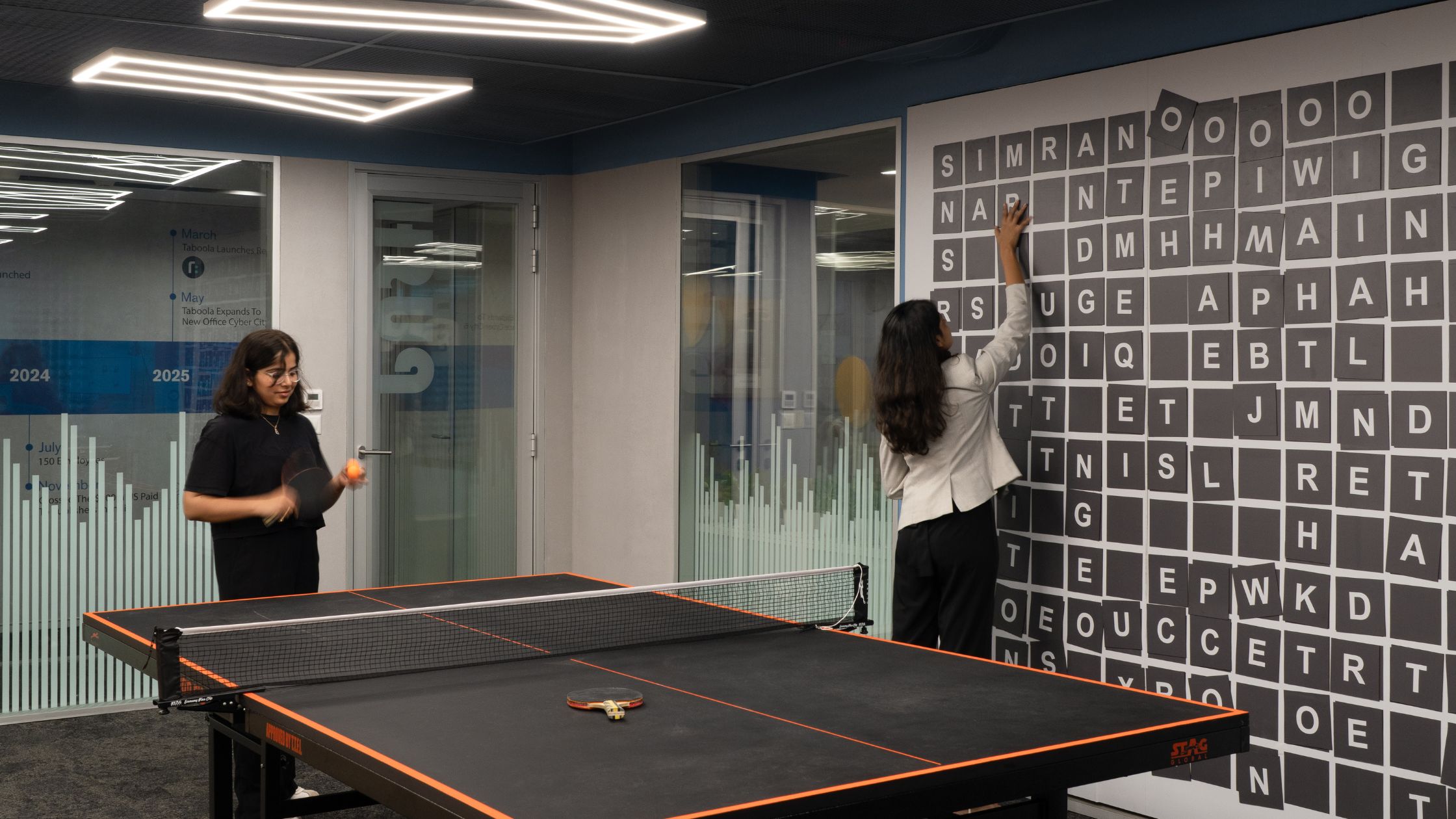
Gurgaon reflects a new generation of GCC ambition, where organisations are building for the future while scaling in the present. For a modern global capability centre, the workplace has to communicate confidence from day one, helping attract talent and strengthen employer branding. Taboola's Gurgaon headquarters demonstrates this through a strategic redesign that balances the energy of a high-growth AdTech business with carefully planned environments for focused work and seamless collaboration.
Kohler approached the challenge from a different perspective but with a similar objective. The new India headquarters is designed as a physical expression of the brand's heritage and future aspirations. Storytelling is a workplace strategy, with every element, from the arrival experience and themed meeting rooms to collaborative office space designs and material choices, reinforcing the company's identity. Alongside Taboola's neighbourhood-based planning and high-energy social hubs, the project shows how experience-driven workplaces can strengthen culture while supporting business growth and employee engagement.
The Space Matrix Perspective – Designing GCCs City by City
Every global capability centre operates within a unique combination of local talent expectations, business priorities, and cultural influences, making a standardised approach increasingly ineffective. This understanding shapes the Space Matrix approach to GCC transformation, where workplace strategy begins with understanding the local workforce, mapping business objectives, interpreting cultural context, and creating scalable systems that support long-term operational goals. The focus is on building environments that help organisations perform better in the markets they serve.
If your organisation is expanding or transforming its GCC footprint, workplace strategy cannot simply be copied from one city to another. The most successful GCC workplaces are not the ones that look globally consistent. They are the ones who respond intelligently to the city in which they operate.
We use cookies to enhance your experience on our website, provide personalized content, and analyze site traffic.
By clicking "Accept All", you consent to our use of cookies. You can also choose "Preferred Cookies"
to select specific types of cookies that align with your preferences.
Essential cookies are always enabled to ensure website functionality.
You can choose to have only Essential cookies if you prefer minimal tracking.
Your choice regarding cookies on this site
Please choose whether this site may use Functional and/or Personalization cookies, as described below.
By selecting Required cookies only, you are requesting us not to sell or share your personal information.