Beyond the Wow Factor: How Dubai Offices Are Being Designed for Real Work
Dubai’s office landscape has built a reputation that reflects growth and global aspiration. But as workplace expectations evolve, that perception is becoming increasingly incomplete. Today, organizations are recognizing that while an impressive office may win attention, it does not automatically enable better work. The conversation is shifting from how a workplace looks to how effectively it supports employee experience in the flow of everyday work.
Instead of treating design as a one-time showcase, leaders are focusing on functionality, comfort, and flexibility, elements that influence how teams collaborate, focus, and adapt throughout the day.
The Shift – From Aesthetic Impact to Workplace Performance
Dubai office designs have largely centered on visual impact. Organizations have invested heavily in creating workplaces that reflect commercial success through premium materials and striking interiors. Offices were often viewed as extensions of corporate image. However, this approach has only aligned with the city’s ambition and global positioning.
Today, the priorities shaping workplace decisions are becoming experience-led. Businesses are placing greater emphasis on how effectively an office supports productivity and focus. Hybrid work has accelerated this shift, forcing organizations to think more critically about whether the workplace genuinely enables people to perform at their best. The focus has shifted to designing workplaces that actively support how teams work every day.
This evolution does not mean Dubai is moving away from high-quality design. Instead, it signals a broader redefinition of what successful workplace architecture looks like. Dubai office designs are now evaluated by their ability to create measurable value for both employees and organizations. Office design concepts thus become more about delivering environments that balance visual sophistication with real workplace performance.
The Problem – Why “Good-Looking” Dubai Office Designs Often Underperform
While premium finishes and branded interiors can shape strong first impressions, they do not necessarily support the realities of how employees work every day. Offices underperform when collaboration spaces are designed more for appearance than functionality. Design that prioritizes appearance over usability creates workplaces that look better than they work.
This challenge becomes particularly visible in high-growth organizations where teams require flexibility and speed. BrowserStack faced a similar situation when expanding into a larger workplace that required collaboration. The workplace strategy focused on creating multiple environments tailored to specific work patterns, from private phone booths and brainstorming zones to informal meeting areas and formal discussion rooms. The central glass-box concept reinforces openness and visibility across teams while enabling employees to choose spaces based on their work.
The success of this approach highlights an important shift in workplace design. Effective workplaces are defined by how intuitively they support communication and adaptability throughout the day. When offices fail to align with operational realities, productivity declines despite significant design investment.
What Performance-Driven Design Actually Looks Like
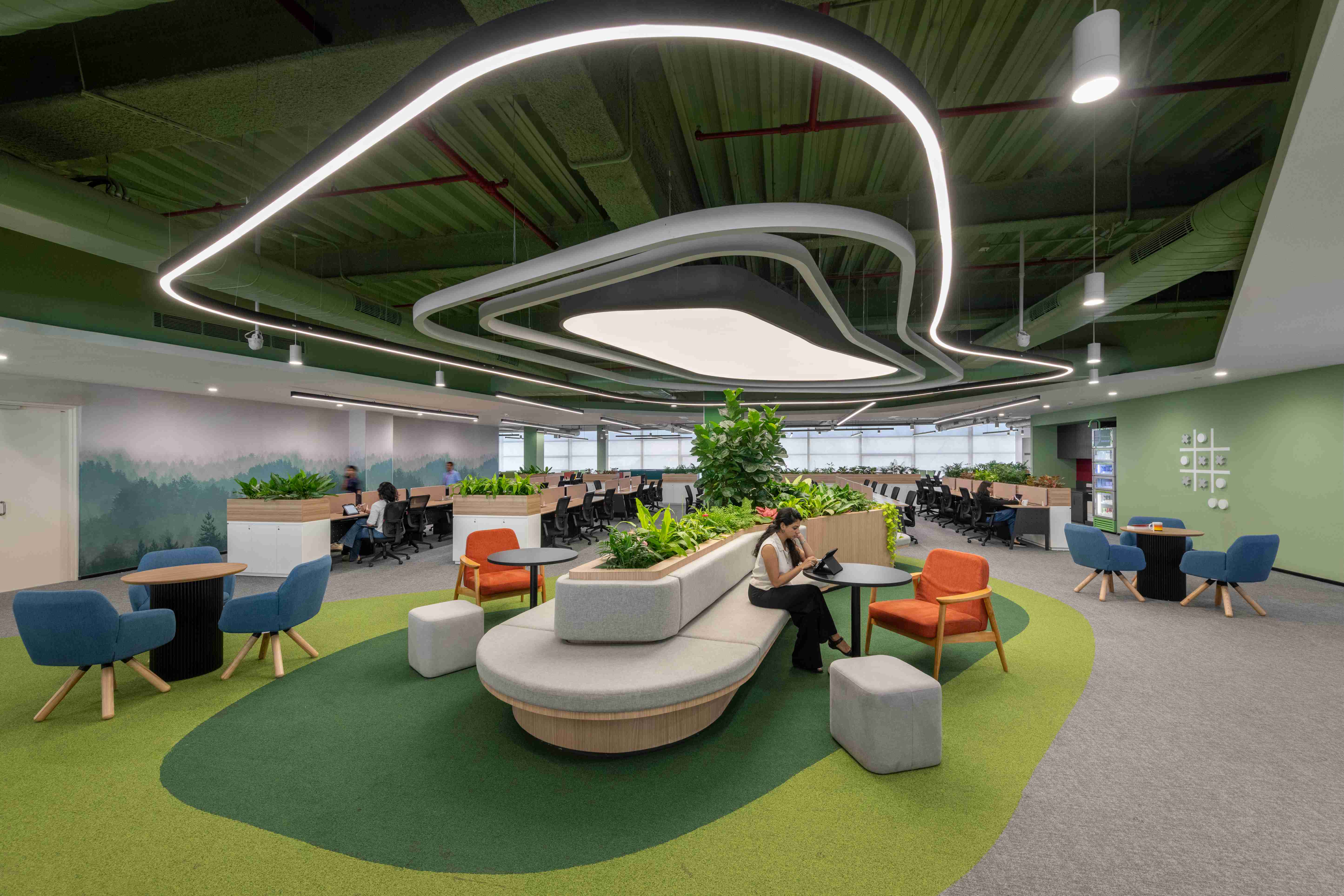
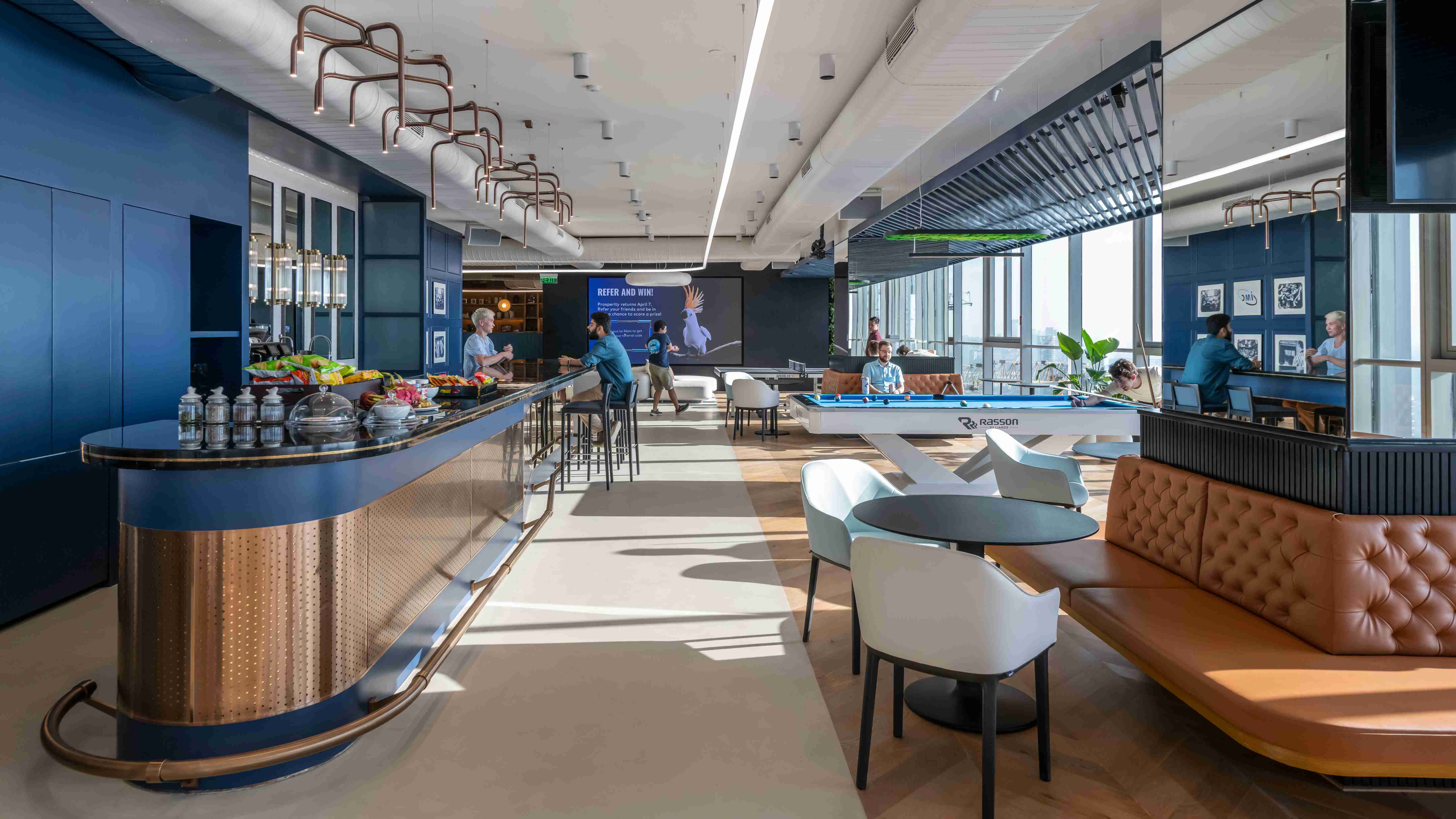
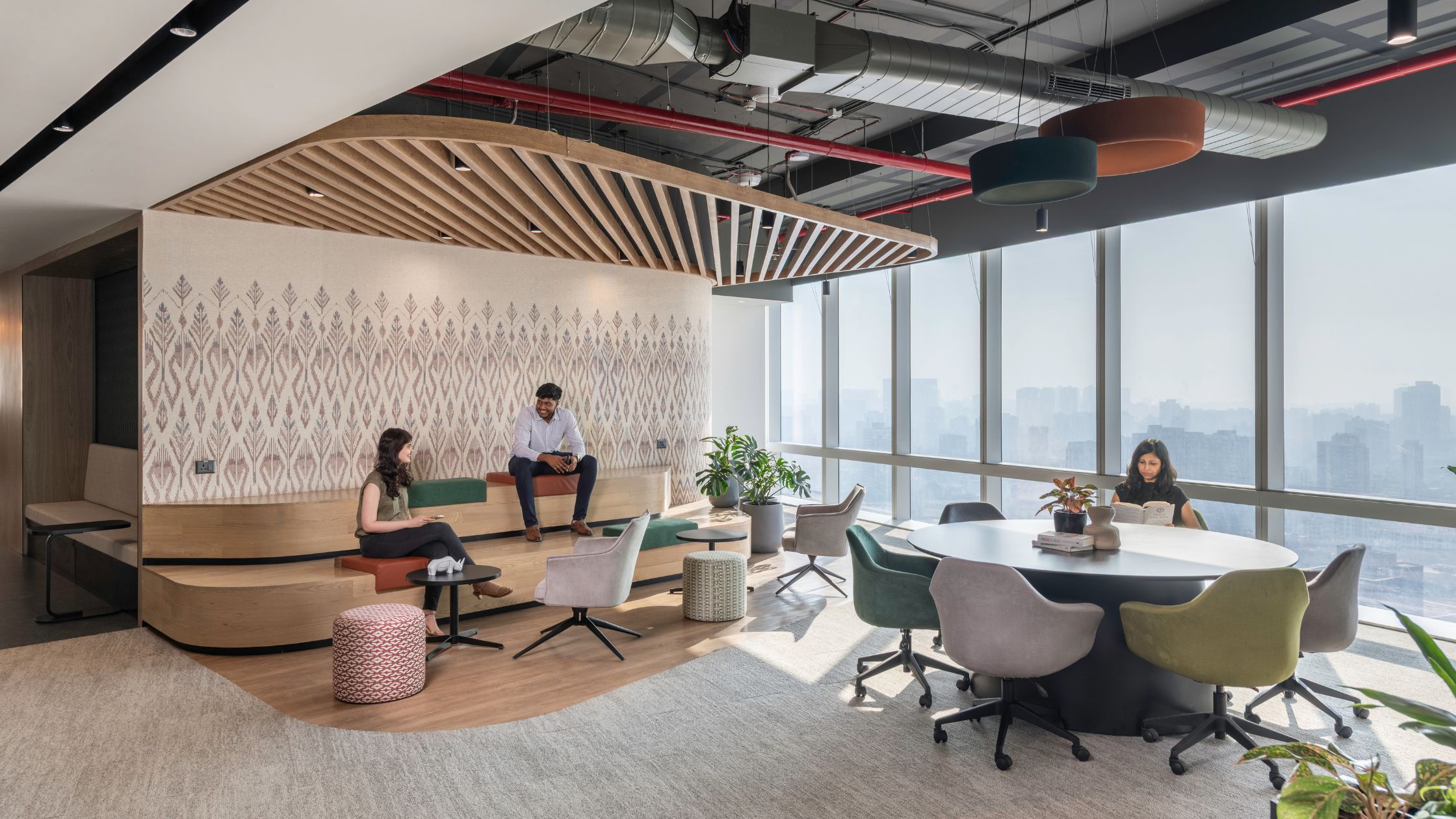
Performance-driven workplaces are built around how people work rather than relying on fixed layouts. This has led to the creation of activity-based environments that support different work modes throughout the day. In practical terms, this means creating clear zones for focused individual work, collaborative discussions, and informal interactions within the same workplace ecosystem.
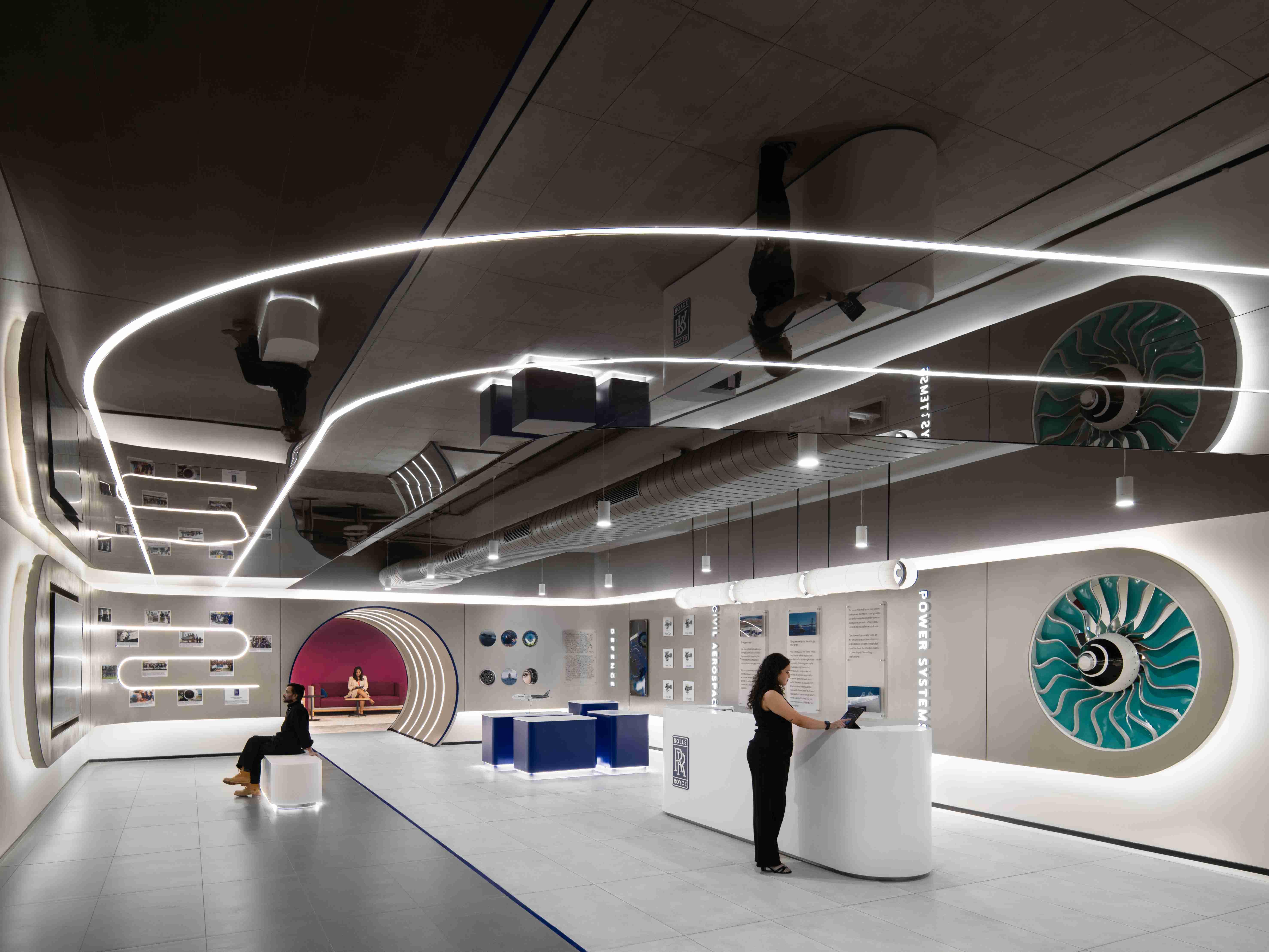
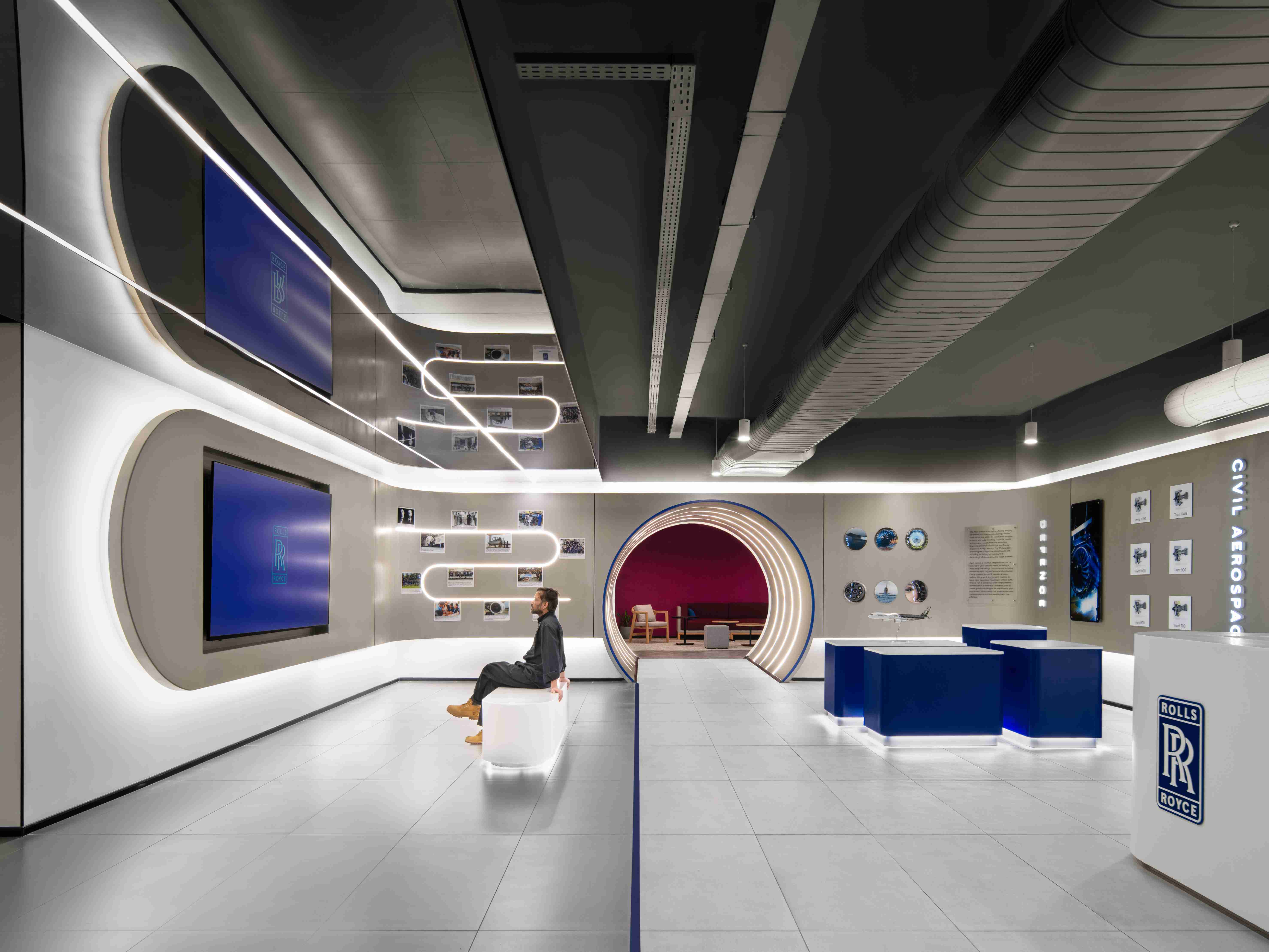
A strong example of this approach can be seen in Rolls-Royce’s Global Capability and Innovation Centre, where the workplace is designed to support the company’s long-term engineering and innovation goals rather than focusing only on aesthetics. Planned as the organisation’s largest engineering hub globally, the space integrates collaboration and behavioural design to create an environment that actively supports innovation and knowledge-sharing. Colour-coded neighbourhoods, distributed collaboration zones, and carefully designed transition spaces help employees move seamlessly between focused work and cross-functional interaction.
What makes this performance-driven workplace effective is how intentionally every design element supports behaviour and workflow. Spatial zoning, colour psychology, and integrated collaboration spaces reduce friction in everyday operations while strengthening team identity and engagement. In this model, design becomes a strategic business tool that supports talent, innovation, and long-term organisational growth.
The Dubai Context – Why This Shift Is Happening Now
As Dubai continues to position itself as a global commercial ecosystem, organizations are operating at a far greater level of complexity. International companies are expanding their regional presence, and competition for skilled talent is intensifying across industries. These changes are raising expectations about what the workplace must deliver beyond mere appearance.
This is also changing the kinds of questions businesses are asking. Earlier conversations were often centered around visibility and first impressions. Today, leaders are increasingly asking: What should effective Dubai office design actually achieve for employees and business performance? The focus is now on creating environments that support long-term workforce experience.
As organizations mature, their operational requirements become more nuanced, and the workplace must evolve accordingly. Teams now work across multiple time zones, which makes adaptability essential to day-to-day performance. This is where workplace architecture plays a more strategic role in enabling how businesses function at scale. The challenge is creating collaborative office space designs that support the interconnectedness of modern business operations in Dubai.
The Risk – When Offices Still Design for Impression Over Output
As work models evolve, offices designed primarily around appearance can become disconnected from operational reality. Corporate office interior designs that fail to support hybrid work or flexible collaboration lead to declining employee engagement and inefficient space utilization. In a performance-driven market, an office that only impresses can quickly become a liability.
This shift is also changing how employees and clients evaluate workplaces. A common question businesses are beginning to ask is: What should the Dubai office design deliver beyond aesthetics? The answer centers around usability and adaptability. Employees are more aware of how workplace environments affect productivity, while clients often view operational functionality as a reflection of organizational maturity.
The Space Matrix Perspective – Designing for Output, Not Optics
At Space Matrix, the starting point for effective workplace strategy is understanding how work actually happens within an organization. Every business operates differently with unique operational demands that shape how employees interact with space throughout the day. Rather than applying a one-size-fits-all approach to Dubai office design, we focus on responding directly to support the way teams function in practice.
This approach relies heavily on workplace architecture insights to inform decision-making. By studying how people use spaces, workplace environments can be designed with greater precision and adaptability. The objective is to improve measurable outcomes such as productivity and employee experience.
The future of workplace design in Dubai is about making design work harder. If your workplace needs to do more than make an impression, Space Matrix can help design environments that support real work and deliver measurable performance.
We use cookies to enhance your experience on our website, provide personalized content, and analyze site traffic.
By clicking "Accept All", you consent to our use of cookies. You can also choose "Preferred Cookies"
to select specific types of cookies that align with your preferences.
Essential cookies are always enabled to ensure website functionality.
You can choose to have only Essential cookies if you prefer minimal tracking.
Your choice regarding cookies on this site
Please choose whether this site may use Functional and/or Personalization cookies, as described below.
By selecting Required cookies only, you are requesting us not to sell or share your personal information.