For years, organizations across the US and UK have been asking the same question: “Why aren’t people coming back to the office?” But that question misses the real issue entirely. Employees are not resisting workplaces simply because hybrid work has changed habits. Instead, they are questioning whether the office still offers enough value to justify the commute and the disruption to their day.
The uncomfortable reality is that most organizations do not have a headcount problem. They have a workplace that no longer earns people’s time. In the rush to enforce return-to-office policies, many leaders have focused on attendance as the goal, while overlooking whether the workplace still supports how people want to work and find meaning in their professional lives.
The Misdiagnosis – Treating Attendance as the Problem
Many organizations continue to approach return-to-office challenges as an attendance problem, responding with stricter mandates. But these measures often fail to address a more fundamental question: why should employees choose to come in at all? Across industries, return patterns remain inconsistent because employees are evaluating whether the workplace genuinely improves how they work. Policies may temporarily increase occupancy numbers, but they do little to encourage meaningful engagement or stronger workplace experiences.
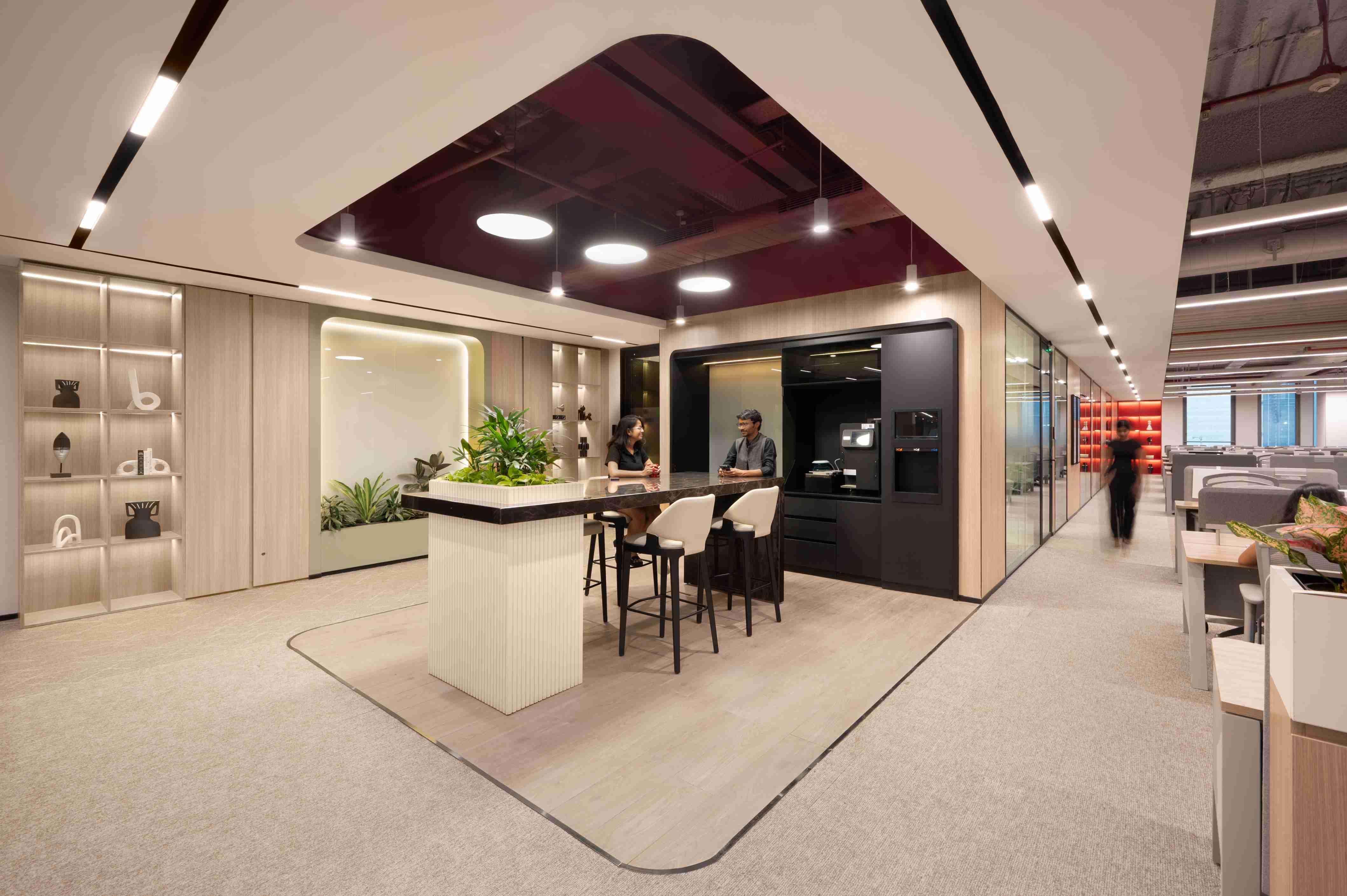
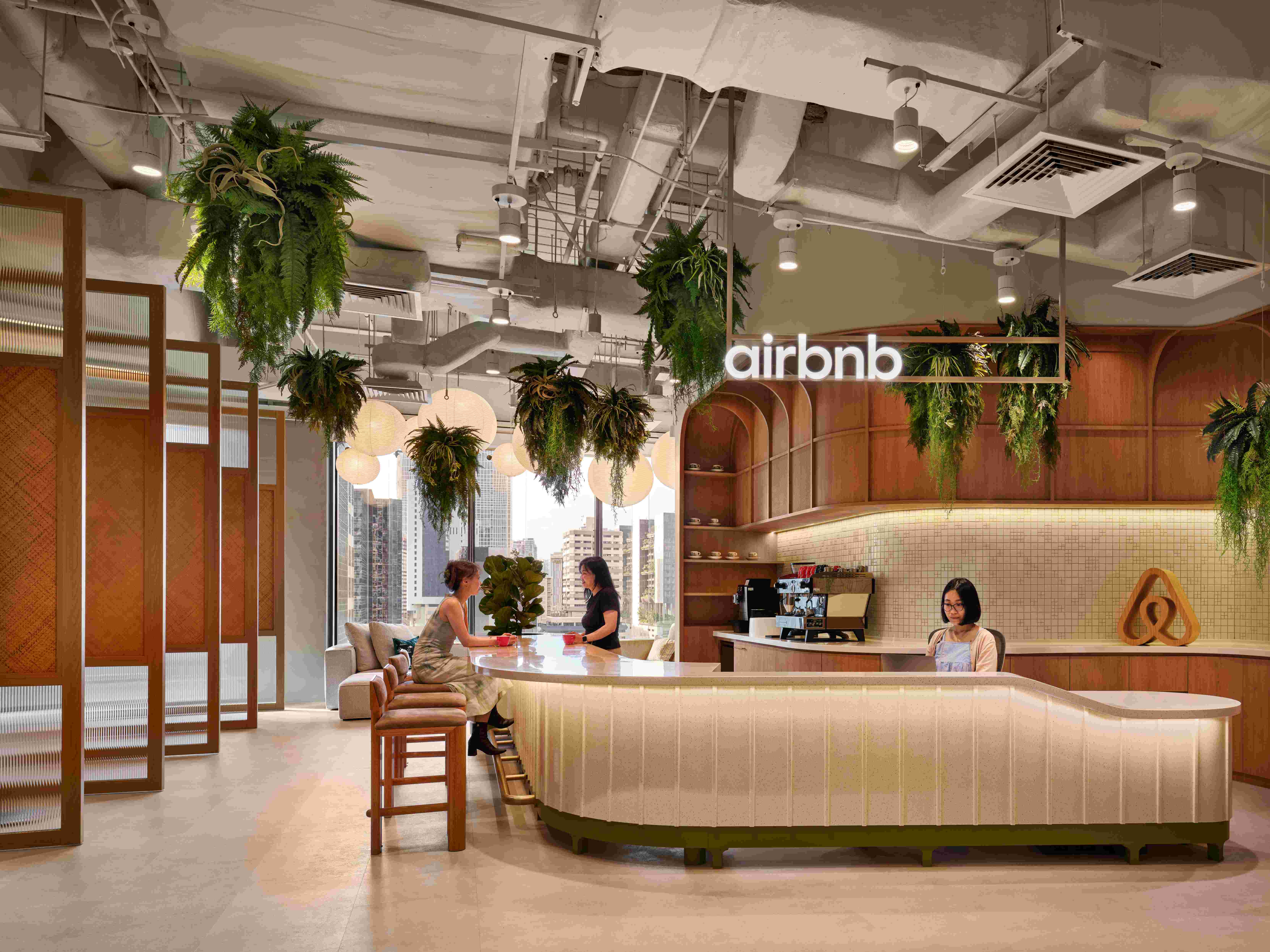
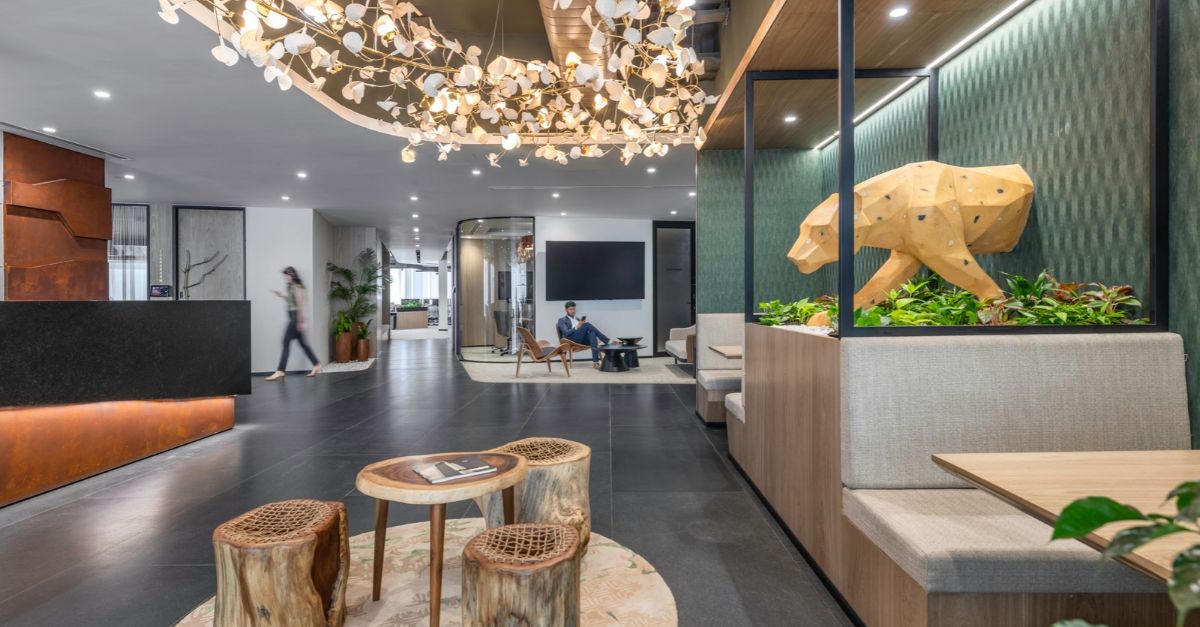
The reality is that employees are far more likely to return to environments that provide a sense of purpose. Airbnb’s Gurgaon office offers a strong example of how workplace design can create sustained engagement without relying on rigid enforcement. The office combines collaborative zones, social spaces, focused work nooks, and semi-private mezzanine retreats to support different work modes throughout the day. Thematic meeting rooms inspired by Airbnb properties introduce variety and creativity into brainstorming sessions, while quieter spaces allow employees to concentrate without feeling isolated from the broader workplace. By giving employees access to spaces that match different tasks and working styles, the office creates an experience that people actively want to engage with.
This distinction is critical for organizations rethinking the future of work. Employees do not resist offices simply because they prefer remote work. They resist office design ideas that fail to support modern work needs. Workplaces that prioritize presence over experience risk creating disengagement, even when attendance improves on paper. The most effective offices are those that recognize the workplace as a tool for enabling collaboration. This is because attendance can be enforced, but engagement cannot.
The Culture Gap – What Employees Experience vs What Leaders Assume
Many organizations continue to view the office as the primary driver of collaboration and culture. From a leadership perspective, bringing employees together physically is assumed to strengthen teamwork and engagement. But for many employees, the day-to-day experience feels very different. Long commutes and environments that do not support focused or collaborative work effectively have created a growing disconnect between what leaders expect the office to deliver and what employees experience. This gap has become one of the defining tensions shaping return-to-office strategies today.
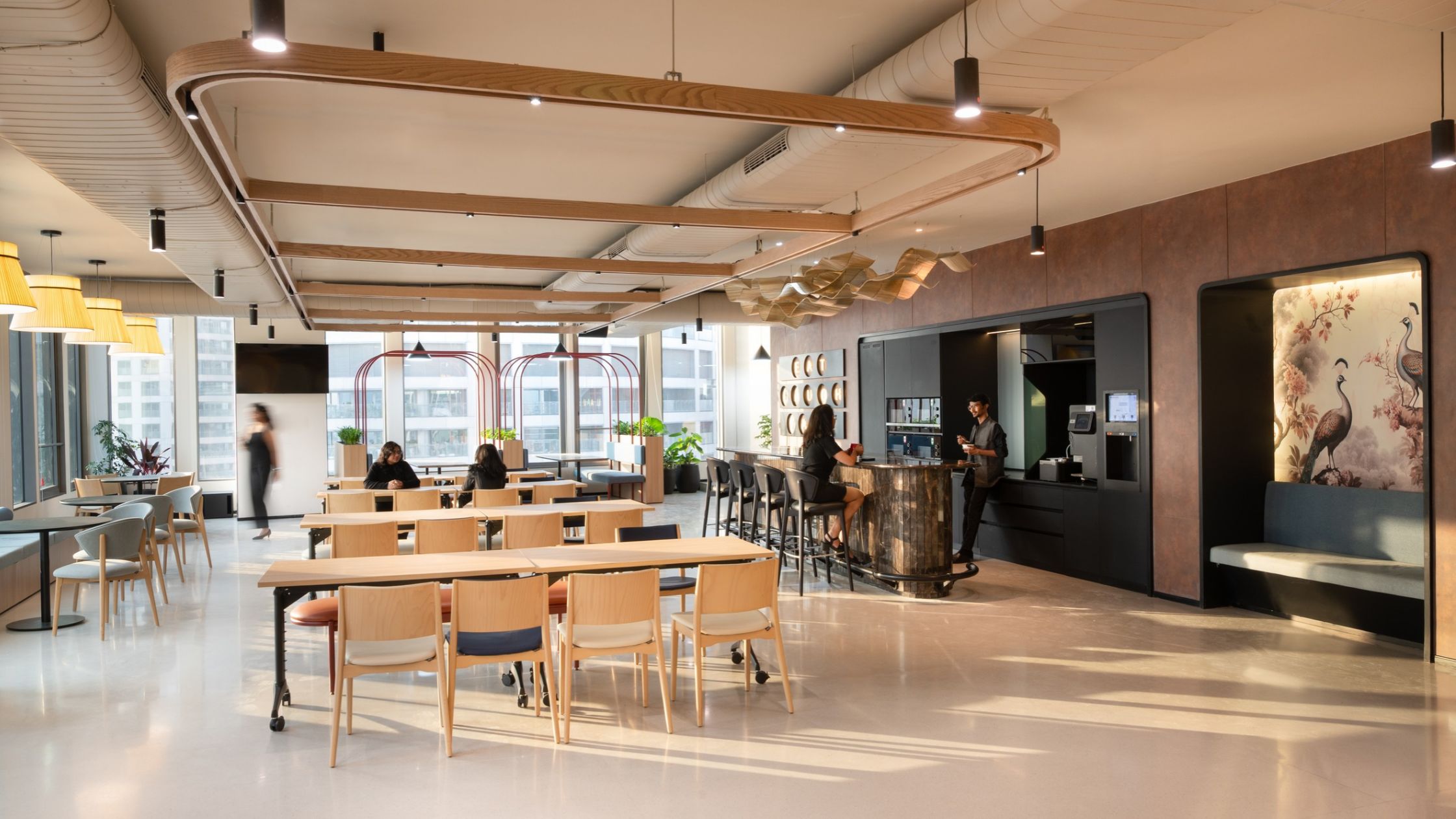
The challenge is that culture cannot be built solely through proximity. Employees evaluate workplace culture through the quality of their daily experiences. This is where office design for culture becomes increasingly important. Ansys addressed this challenge by designing a workplace that intentionally supports different work personas and collaboration styles. The environment incorporates collaborative worktables, private meeting pods, focused work areas, and flexible interaction spaces designed to encourage planned and spontaneous engagement. Rather than forcing employees into a single workplace model, the office creates an ecosystem that acknowledges how differently people think and contribute.
The result is a stunning corporate office interior design that reinforces inclusivity and innovation through everyday interactions. Features such as strong acoustic planning, ergonomic furniture, biophilic design elements, and vibrant collaborative hubs help create workspaces where employees feel empowered.
The Workplace Problem – Offices Designed for a Past Way of Working
Many workplaces today continue to operate within models built for a very different era of work. Traditional office layouts were largely optimized for fixed seating and individual task-based work performed in centralized locations. But work itself has fundamentally changed. Teams are now more distributed, and collaboration happens across functions and locations. Despite these shifts, many offices still reflect pre-hybrid assumptions that no longer align with how employees actually work.
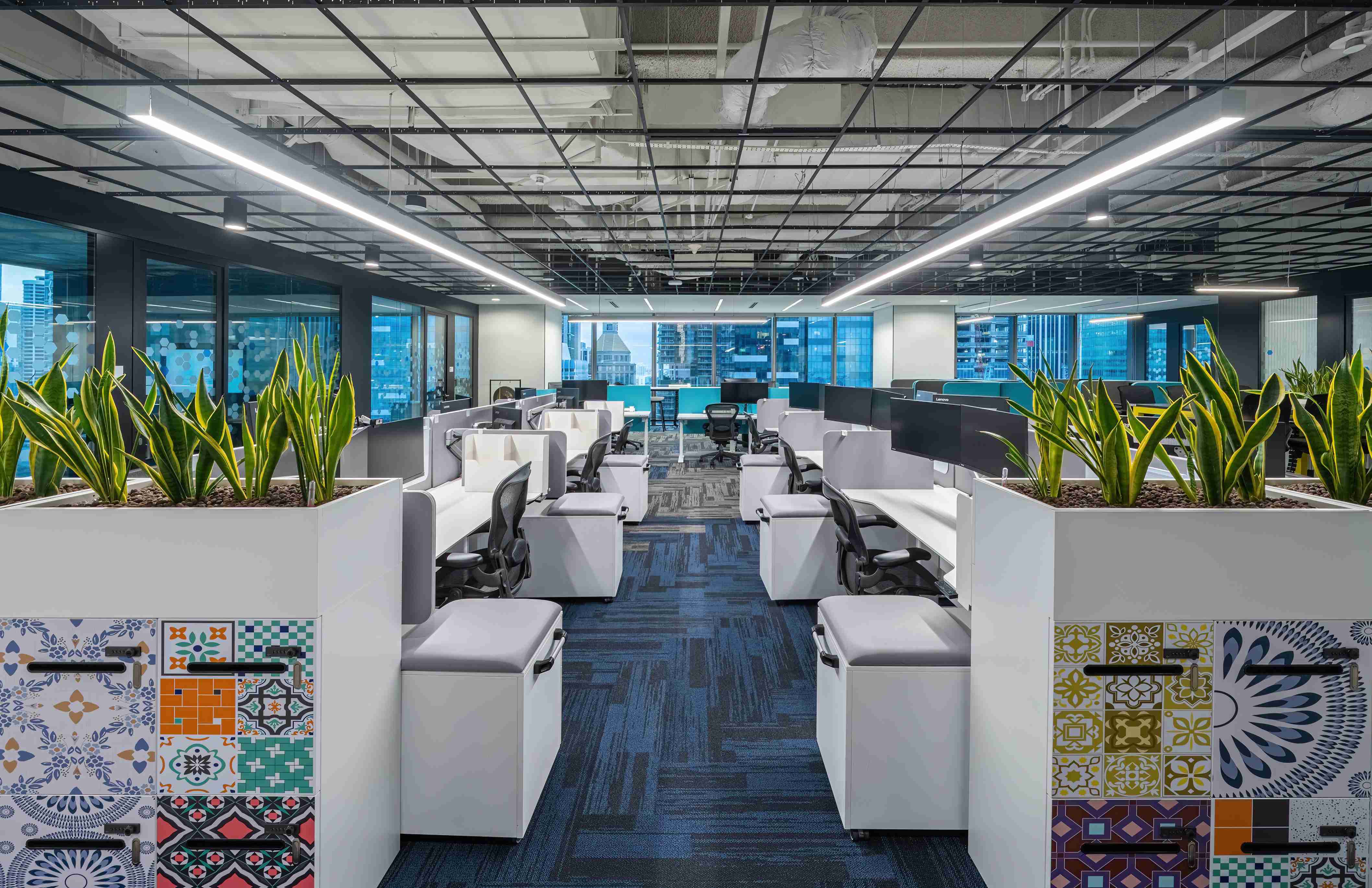
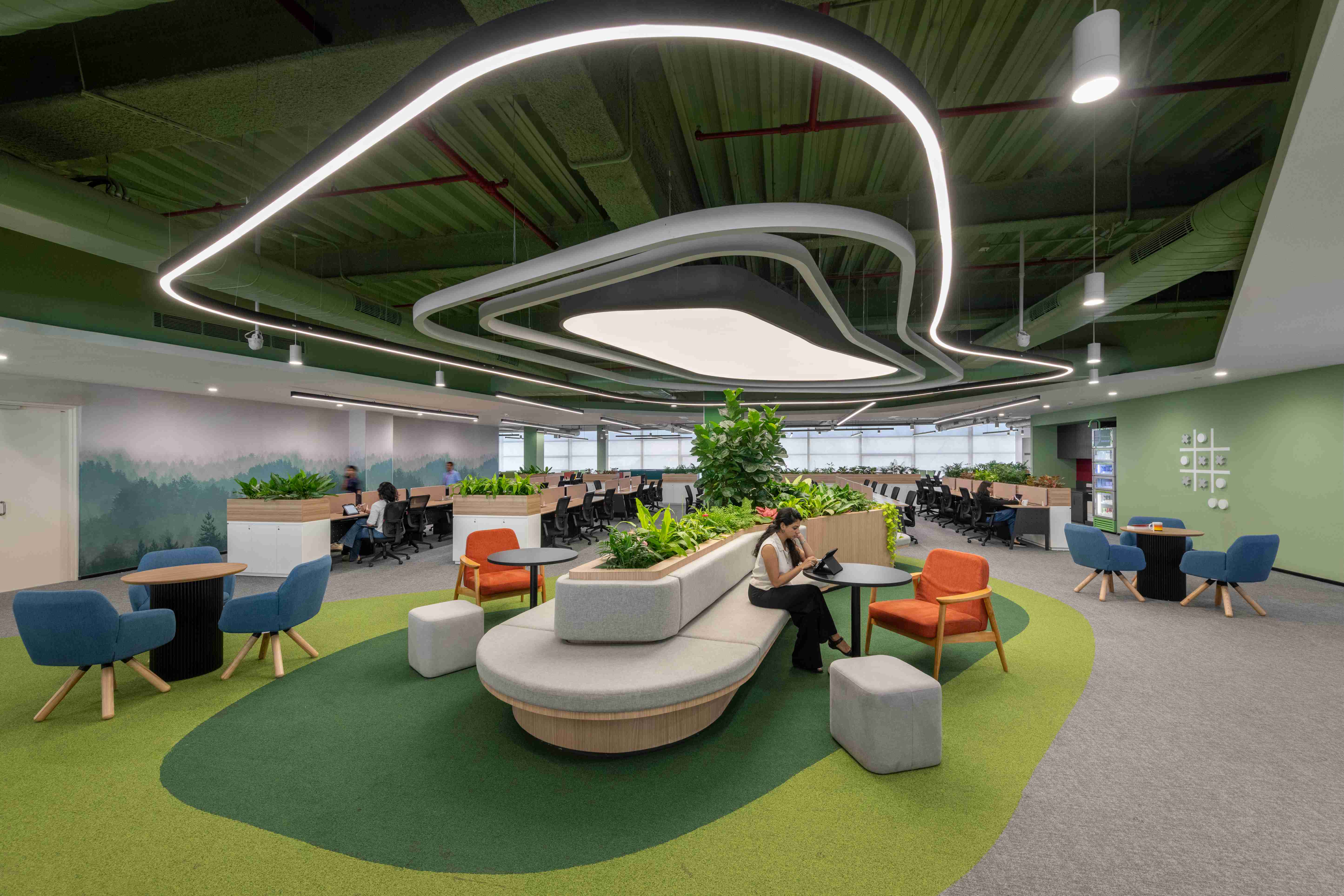
This disconnect becomes particularly visible in multigenerational workplaces where employees have very different work preferences and expectations. Open-plan environments may support collaboration for some employees while creating distraction and fatigue for others who require quieter settings for concentration. Gartner offers a strong example of how adaptable workplace strategies can better support these evolving needs. By providing employees with access to breakout zones, private pods, open seating areas, adjustable desks, ergonomic furniture, and flexible collaboration spaces, the workplace gives individuals greater autonomy to choose environments that best support their tasks and working styles.
The shift toward more adaptable environments also highlights the growing importance of office design for culture in modern organizations. Building positive workplace culture and environment is increasingly shaped by whether employees feel supported to work effectively within the environment they are provided. When offices remain tied to outdated workplace models, employees disengage because the space no longer reflects the realities of modern work.
What People Actually Come In For – And Why Offices Miss It
Employees are not returning to the office to sit at a desk or attend virtual meetings from another location. People seek collaboration, spontaneous learning, mentorship, social connection, and a stronger sense of belonging. The office has the potential to provide interactions and shared experiences that remote work cannot fully replicate. Yet many workplaces continue to prioritize desk density and routine meeting spaces without creating meaningful reasons for employees to engage with the environment or with each other.
This disconnect is becoming one of the biggest weaknesses in modern workplace strategy. Employees arrive at the office only to find environments that feel functionally identical to working from home, except with longer commutes and more interruptions. As organizations rethink workplace relevance, a growing question emerges: What role does office design for culture actually play in improving employee engagement? The answer lies in designing spaces that actively support relationship-building and knowledge-sharing. Environments that encourage informal interaction, mentorship opportunities, and collaborative problem-solving create experiences employees genuinely value and cannot easily replicate remotely.
Organizations that succeed in building a positive workplace culture understand that culture is reinforced through everyday interactions and shared experiences. The office should function as a destination that enhances collaboration, not simply as a mandatory location for completing work. If employees perceive no meaningful difference between working from home and working from the office, physical presence quickly becomes difficult to justify.
The Risk – The Quiet Loss of Talent and Culture
When workplace expectations and employee experiences remain misaligned for extended periods, the consequences become a much larger organizational risk. High-performing employees are often the first to disengage because they have the strongest expectations around collaborative office space designs. This disengagement weakens collaboration and reduces emotional connection to the organization. What initially appears to be a short-term attendance challenge can slowly develop into a long-term issue affecting retention and organizational resilience.
This risk is becoming significant in the US and UK, where employees have greater access to flexible opportunities and higher expectations around workplace experience. Organizations are increasingly realizing that retaining talent requires more than compensation or policy adjustments alone. A common question leaders are now asking is: how does building positive workplace culture influence long-term retention and engagement? The answer lies in whether employees consistently experience trust, inclusion, collaboration, and support at the workplace.
This is why office design for culture has become a strategic business priority. Workplaces that fail to evolve with changing work patterns risk creating environments that cause employees to emotionally disconnect. Conversely, organizations that intentionally design spaces to support flexibility and collaboration help create stronger engagement and long-term loyalty. The challenge is no longer simply about getting people back into the office. Organizations don’t lose people because of remote work. Instead, they lose them because the workplace no longer works.
The Perspective – Office Design for Culture That Rebuilds Workplaces
At Space Matrix, workplace strategy begins with a fundamental shift in perspective: designing for why people come into the office, not simply where they sit. The workplace is no longer viewed as a static container for desks and departments, but as an active environment that shapes collaboration and engagement. This means aligning workplace design with the real reasons employees choose to be present. It can be for teamwork, mentorship, social interaction, focused collaboration, or a stronger sense of belonging within the organization.
This approach recognizes that modern workplaces must reflect organizational culture and the realities of hybrid work. Rather than forcing employees back into outdated office models, Space Matrix focuses on creating environments that support meaningful interaction. A central question many organizations now face is: What role does building positive workplace culture play in improving engagement and workplace relevance? The answer lies in creating experiences that employees genuinely value. Spaces designed around collaboration needs and evolving work patterns help transform the office into a purposeful destination employees actively want to engage with.
In this new era of work, workplace culture is shaped less by policy and more by everyday experience. Culture is rebuilt through environments that make people want to be there. If your workplace isn’t drawing people in, the problem is experience. Space Matrix can help you design environments that rebuild culture, strengthen engagement, and make the office worth coming back to.
We use cookies to enhance your experience on our website, provide personalized content, and analyze site traffic.
By clicking "Accept All", you consent to our use of cookies. You can also choose "Preferred Cookies"
to select specific types of cookies that align with your preferences.
Essential cookies are always enabled to ensure website functionality.
You can choose to have only Essential cookies if you prefer minimal tracking.
Your choice regarding cookies on this site
Please choose whether this site may use Functional and/or Personalization cookies, as described below.
By selecting Required cookies only, you are requesting us not to sell or share your personal information.