Why APAC and Middle East Expansion Strategy Fails Before It Reaches the Market
A thought-provoking article by Ashish Jain, Head of Client Solutions, Space Matrix
There is a pattern worth naming, because it repeats with enough consistency across APAC and Middle East expansion engagements to be instructive.
The organisations that struggle rarely fail in the market. They fail in the sequencing - specifically, they sequence workplace strategy after everything else, when it should sit alongside entity setup, leadership hiring, and go-to-market planning from the first week of market entry planning.
The business case is sound. The market analysis is thorough. The leadership hire is credible. And then, somewhere between entity incorporation and the first townhall, someone books a floor in a business park - in India, Singapore, Dubai, or Riyadh - moves it to the done column, and turns to the next item on the checklist.
That is where the trouble begins - not as a single visible failure, but quietly, incrementally, in ways that take 12 to 18 months to appear clearly in the numbers.
Workplace Strategy Is Not a Real Estate Decision
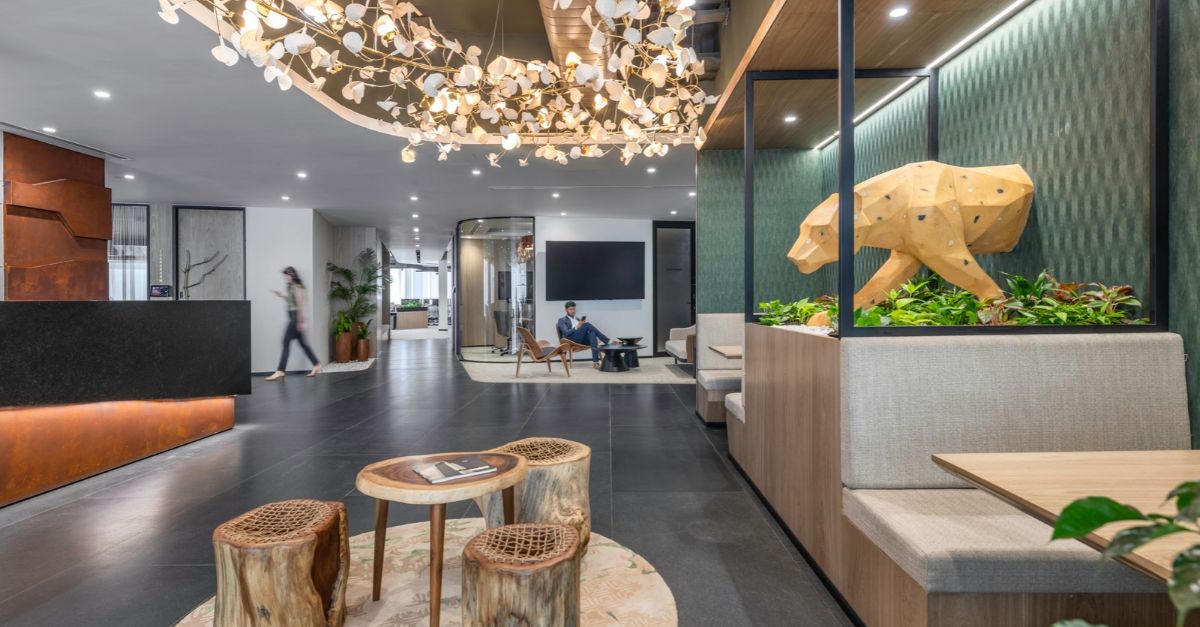
When a multinational organisation sets up its first substantive office across the APAC or Middle East region - whether as a global capability centre in India, a regional hub in Singapore or Hong Kong, or a strategic base in Dubai or Riyadh - it is not acquiring square footage. It is making a statement to the talent it has not yet hired, to the clients it has not yet met, and to a market it is asking to take it seriously.
Across Asia Pacific and the Middle East, the knowledge-work talent markets have matured considerably faster than most arriving global organisations have registered. The senior professionals of a GCC setup, a regional hub, or a market entry operation depend on having genuine alternatives. They are reading the workspace as a proxy for organisational intent - a signal about how seriously the company has thought about its local operation, and about the daily experience of the people it is asking to join.
A generic office layout, muted branding, and a business park address indistinguishable from the ones on either side communicate something precise: this is not where strategy lives. In markets where competitors are sending the opposite signal - and in cities like India, Singapore, Dubai, and Riyadh, they increasingly are - that inference carries a cost that never appears on a real estate P&L, but surfaces reliably in hiring cycle length, offer acceptance rates, and the seniority profile of candidates who say yes.
Four Outcomes the Workspace Decision Shapes Before Anyone Realises It
Effective office space planning for APAC and Middle East expansion shapes four outcomes that most expansion leaders underestimate at the point of decision.
The first is talent acquisition. For senior candidates across Asia Pacific and the Gulf, the office shown during an interview is a material input into the offer decision - not because of aesthetics, but because of the inference it produces about how the organisation values its regional operation, and by extension, the people in it. In competitive talent markets like India, Singapore, Dubai, and Riyadh, this is one of the most direct and consistently underutilised levers available to arriving organisations.
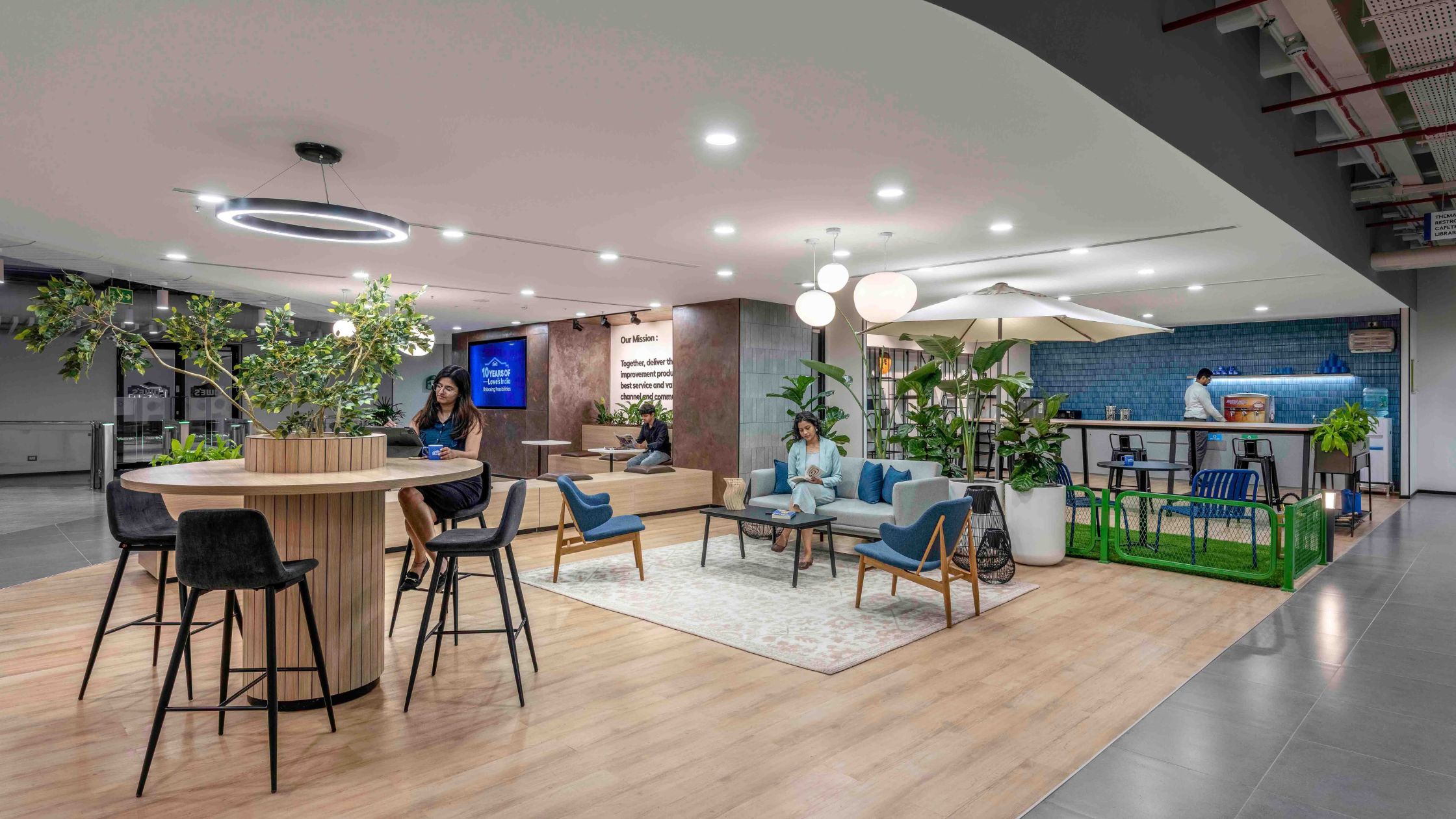
The second is cultural formation. Culture in a new market does not emerge from values statements or onboarding programmes. It emerges from how people physically inhabit the organisation every day - whether the space encourages cross-functional interaction, signals permanence or transience, and communicates confidence in the long-term commitment. Workplace design for employee experience in APAC and the Middle East is not a benefit programme. It is a cultural infrastructure.
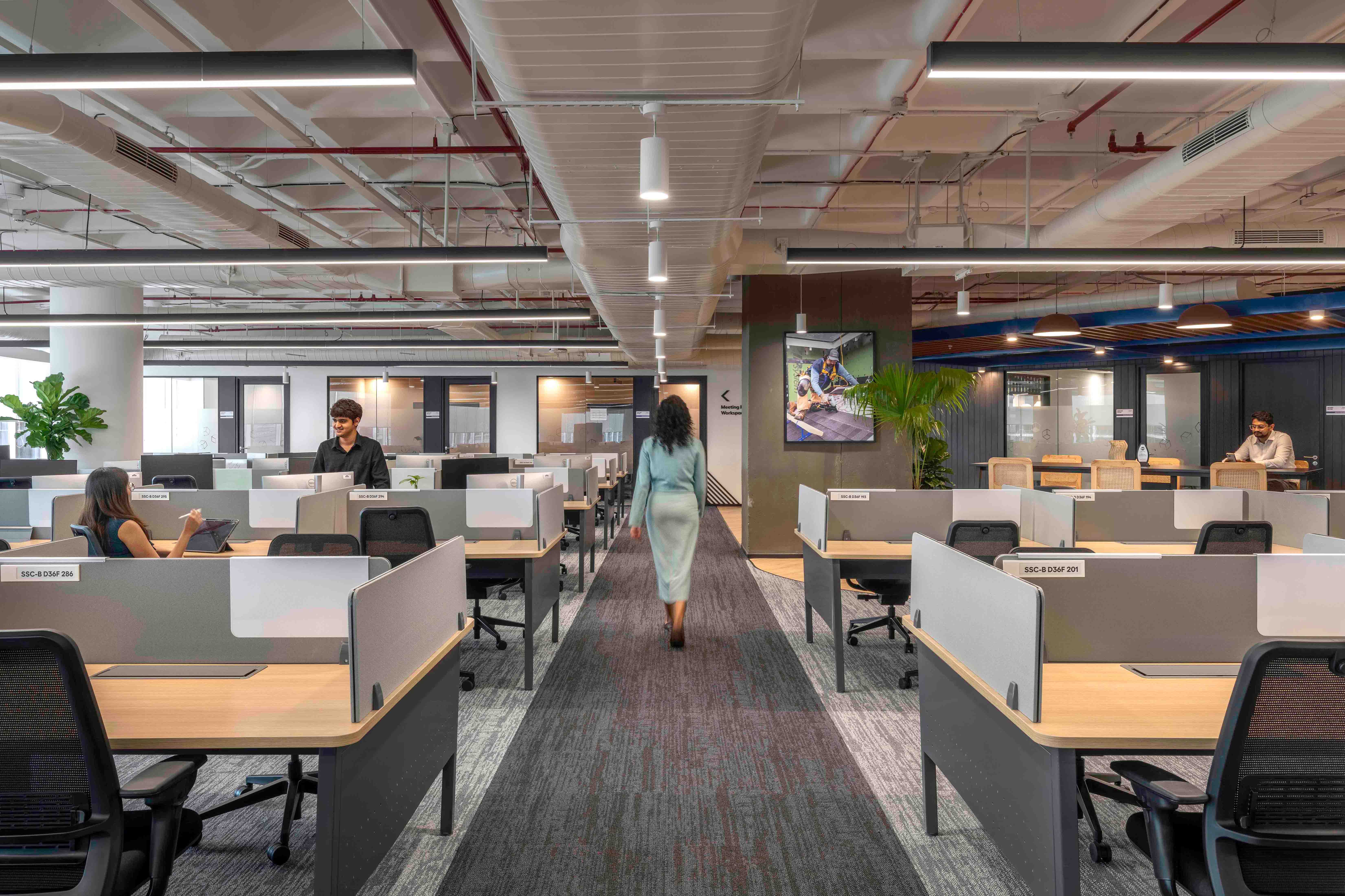
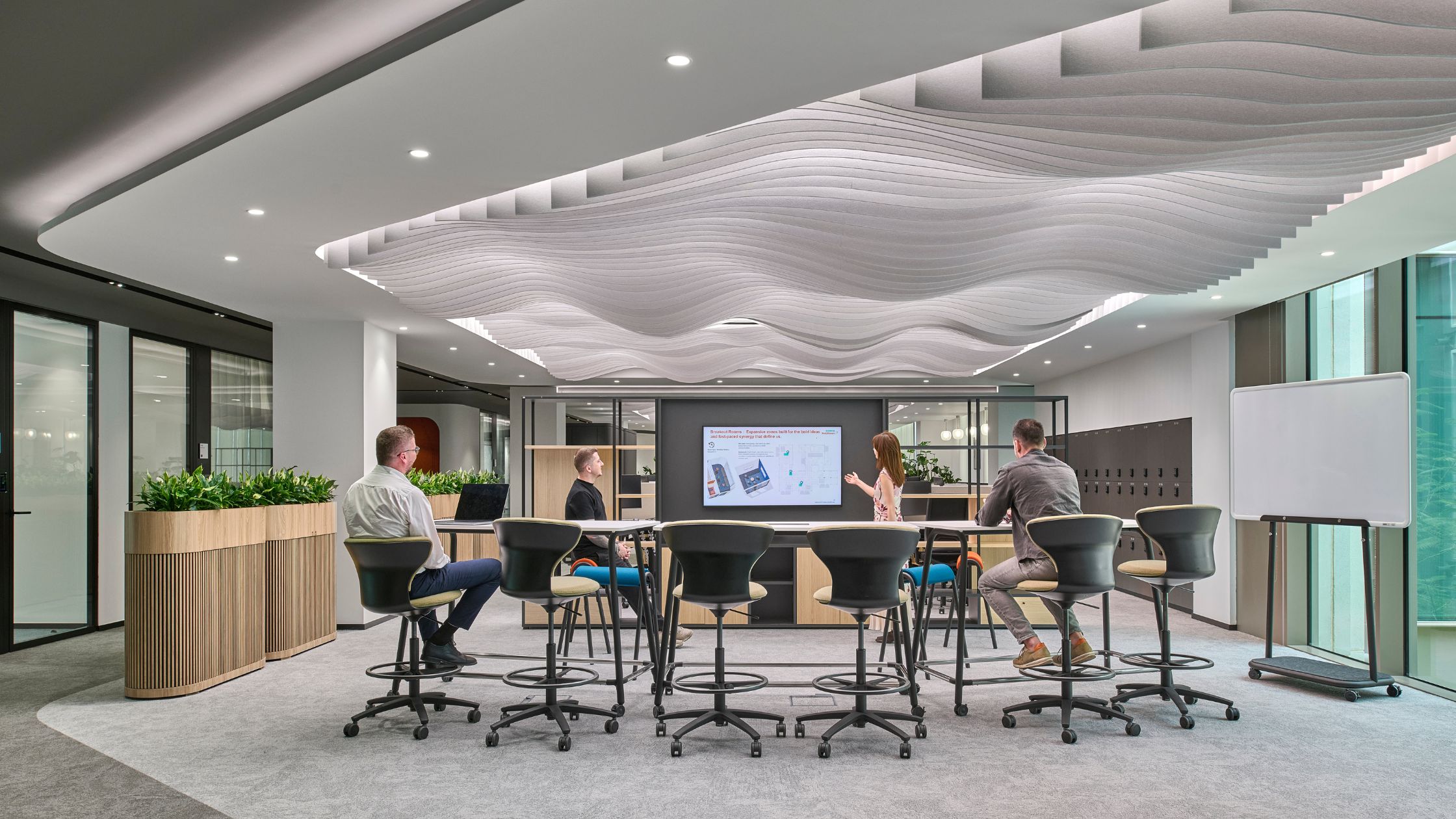
The third is operational capability. Spaces designed for heads-down individual work produce individual contributors. Spaces designed for cross-functional knowledge exchange produce the kind of integrated capability that makes a global capability centre genuinely strategic across Asia Pacific - rather than merely operationally efficient. The design of the workspace is, in a measurable sense, a design decision about the kind of organisation that will inhabit it.
The fourth is leadership perception. When global leadership visits an APAC or Middle East office and finds a workspace that does not match the stated ambition of the regional strategy, something shifts in their mental model of the operation. That shift - once made - is difficult to reverse, and it shapes resourcing decisions, talent investment, and the organisation's willingness to extend real accountability to the regional team.
Where APAC and Middle East Expansion Strategy Breaks Down
Four failure modes appear consistently enough across office space planning projects in Asia Pacific and the Middle East to name directly.
The template problem: a scaled-down replica of the London or New York office deployed in India, Singapore, or Dubai without local intelligence. Senior talent in these markets does not want to work as a proxy for somewhere else. They want evidence that the organisation has invested in understanding where it has arrived. Corporate office design in APAC and the Middle East requires local context - in spatial norms, cultural signals, and the way hierarchy and collaboration are expressed through the built environment. A workspace brief that travels unchanged from a Western headquarters is not neutral. It communicates something specific, and that something is rarely flattering.
The status signal problem: conservative office layouts, subdued branding, siloed seating arrangements. The workspace communicates - accurately - that this location exists to execute decisions made elsewhere. The candidates who read that signal most clearly are invariably the ones most important to recruit. In markets with the talent depth of India, Mumbai, Singapore, and Dubai, those candidates simply choose a different offer.
The delegation problem: the workplace strategy decision is handed to procurement, or to a regional facilities function, or to the incoming country head as one of thirty action items to clear before launch. The result is a decision made without the strategic context that would have made it a good one. For a GCC setup in India, a regional hub in Southeast Asia, or a strategic base in the Gulf, the workspace brief should be owned at the same level as the hiring strategy and the go-to-market plan.
The launch-state problem: the space is designed for Day One headcount, with no provision for the organisation as it will exist in 18 or 36 months. The fit-out or relocation that follows within three years costs significantly more - in capital, in operational disruption, and in the talent signal it sends - than early-stage planning for growth trajectory would have cost at the outset. Across APAC and Middle East expansion markets, this is among the most consistent and preventable sources of unnecessary cost.
The Question That Changes the Outcome
Before a brief is written, before a location in India, Singapore, Dubai, or Riyadh is shortlisted, before a square footage number reaches a slide deck - there is one question worth asking with genuine rigour: what is this workspace being asked to do?
Not how many seats. Not what is the rate per square foot. What outcomes is the workplace strategy for APAC or Middle East expansion being asked to produce - for talent acquisition, for cultural formation, for operational capability, for the confidence of a leadership team flying in from headquarters, for the story the organisation needs to tell about what this region represents in its global operating model?
That question, asked before any other decision is made, produces fundamentally different workspaces. Different location decisions. Different briefs, different specifications, and different conversations with the design and real estate partners who execute them.
Workspaces shaped by a strategic question rather than a cost ceiling produce fundamentally different expansion outcomes. This is not a design philosophy. It is an observable pattern across Asia Pacific and Middle East market entry projects, consistent enough to plan around.
APAC and the Middle East reward organisations that arrive with intention. The workspace decision is where intention becomes legible - to the talent being recruited, to the clients being met, and to the markets being told this is a long-term commitment. The organisations that understood this early are already compounding the advantage. The ones that did not are managing the correction.
The correction is always more expensive than the original decision would have been. That is the one pattern that never changes.
Planning an expansion across APAC or the Middle East?
We use cookies to enhance your experience on our website, provide personalized content, and analyze site traffic.
By clicking "Accept All", you consent to our use of cookies. You can also choose "Preferred Cookies"
to select specific types of cookies that align with your preferences.
Essential cookies are always enabled to ensure website functionality.
You can choose to have only Essential cookies if you prefer minimal tracking.
Your choice regarding cookies on this site
Please choose whether this site may use Functional and/or Personalization cookies, as described below.
By selecting Required cookies only, you are requesting us not to sell or share your personal information.