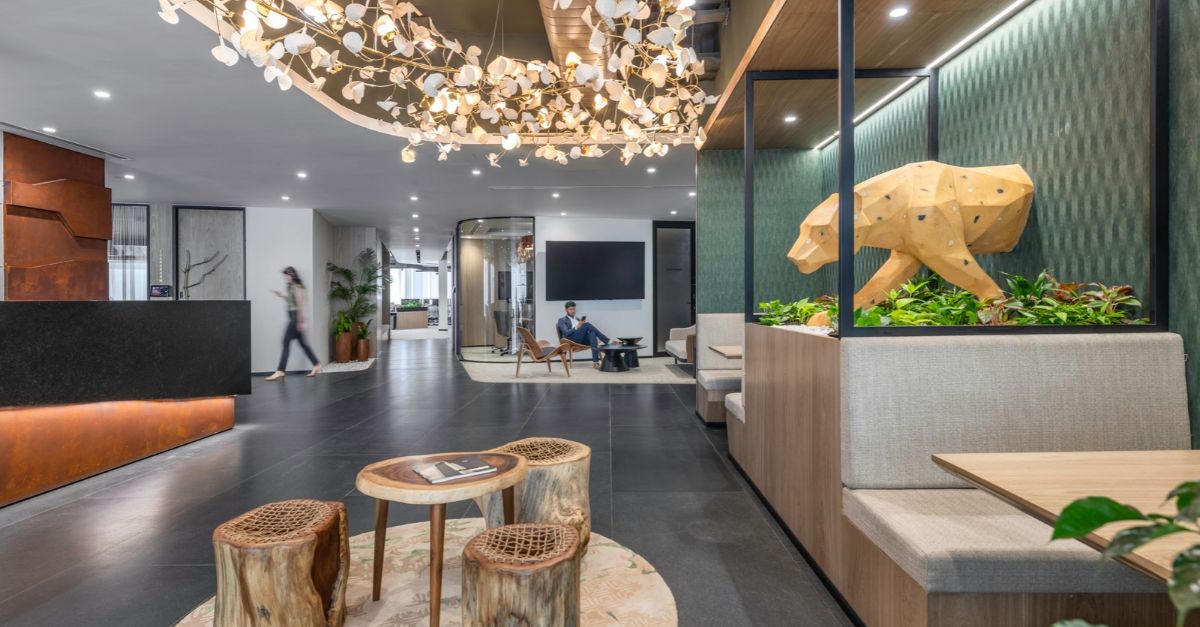
Cross-Industry Inspiration: Workplace Design Borrowing the Best from Other Sectors
The workplace has undergone a radical transformation in the last few years. As hybrid work models gained traction, employees started meeting outside traditional office settings - at cafes, breweries, entertainment venues - seeking social connection and experiences beyond just work.
What began as an effort to bring employees back to the office has turned into a movement, underscoring the need to rethink workplace design.
Employees today seek more than just a desk - they want workplaces that align with their lifestyle, values, and well-being. Cities are seeing workers favor public spaces over offices, and businesses must adapt by designing work environments that offer similar levels of comfort, engagement, and functionality.
The answer? Drawing inspiration from sectors that have mastered experience-driven environments - hospitality, food & beverage (F&B), healthcare, retail, and entertainment.
Let’s explore how these crossovers are solving modern workplace challenges and why they are proving to be successful.
1. Hospitality-Inspired Workplace Design
The Problem: A Workplace That Feels Transactional
Traditional offices have often been purely functional, lacking warmth and personalization. Employees feel disconnected from the organization and unmotivated by sterile environments. Companies struggle with engagement, retention, and fostering a strong sense of belonging.
Why This Crossover Works
Luxury hospitality is not just about aesthetics - it’s about creating an immersive, comforting experience where guests feel valued. Workplaces adopting hospitality elements transform into environments that exude care, prestige, and exclusivity, helping employees feel more connected to their workplace.
Design Inspirations: A Touch of Luxury
- Lounge-Style Elegance: Plush, high-end seating and relaxed environments encourage casual collaboration, mimicking luxury hotel lounges.
- Personalized Concierge Services: Concierge-style desks offer more than just logistical support, enhancing employee convenience.
- Sophisticated Ambiance: Rich textures, bespoke lighting, and curated art cultivate an environment that employees are proud to be part of.
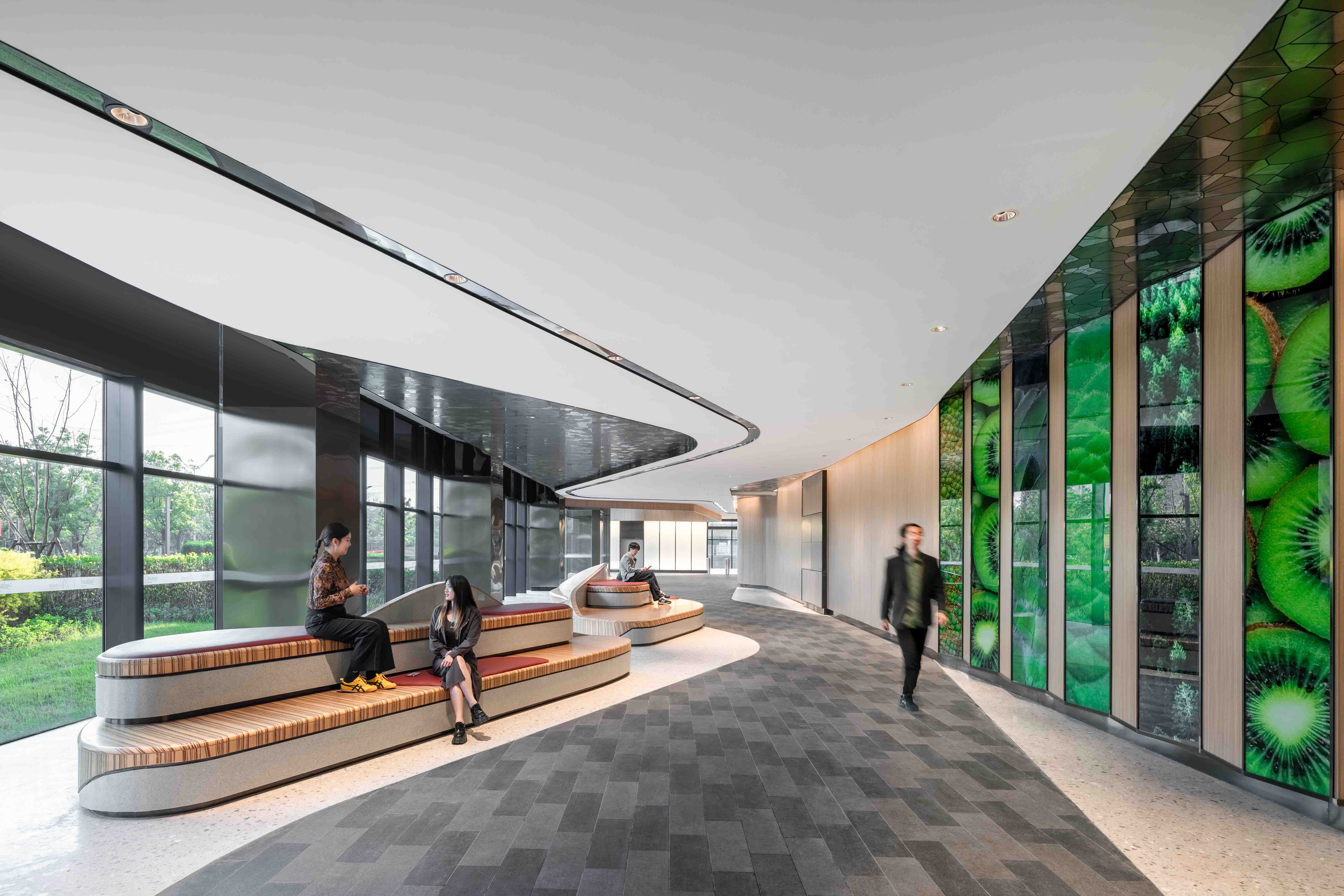
Example: Carelon’s office embodies hospitality-driven design with a welcoming, hotel-like lobby, a stylish work café, and flexible meeting rooms that foster collaboration and creativity.
2. F&B-Inspired Workplace Design
The Problem: Lack of Social Interaction & Well-Being in the Workplace
Employees today prioritize well-being and socialization, yet many workplaces lack spaces that facilitate casual interactions. Cafeterias are often uninspiring, reducing opportunities for connection and collaboration.
Why This Crossover Works
Food has always been a social catalyst. Inspired by the restaurant industry, modern workplace dining areas are evolving into hubs of connection, nourishment, and creativity. Beyond in-office meals, proximity to diverse and high-quality dining options plays a significant role in office location decisions.
Design Inspirations:
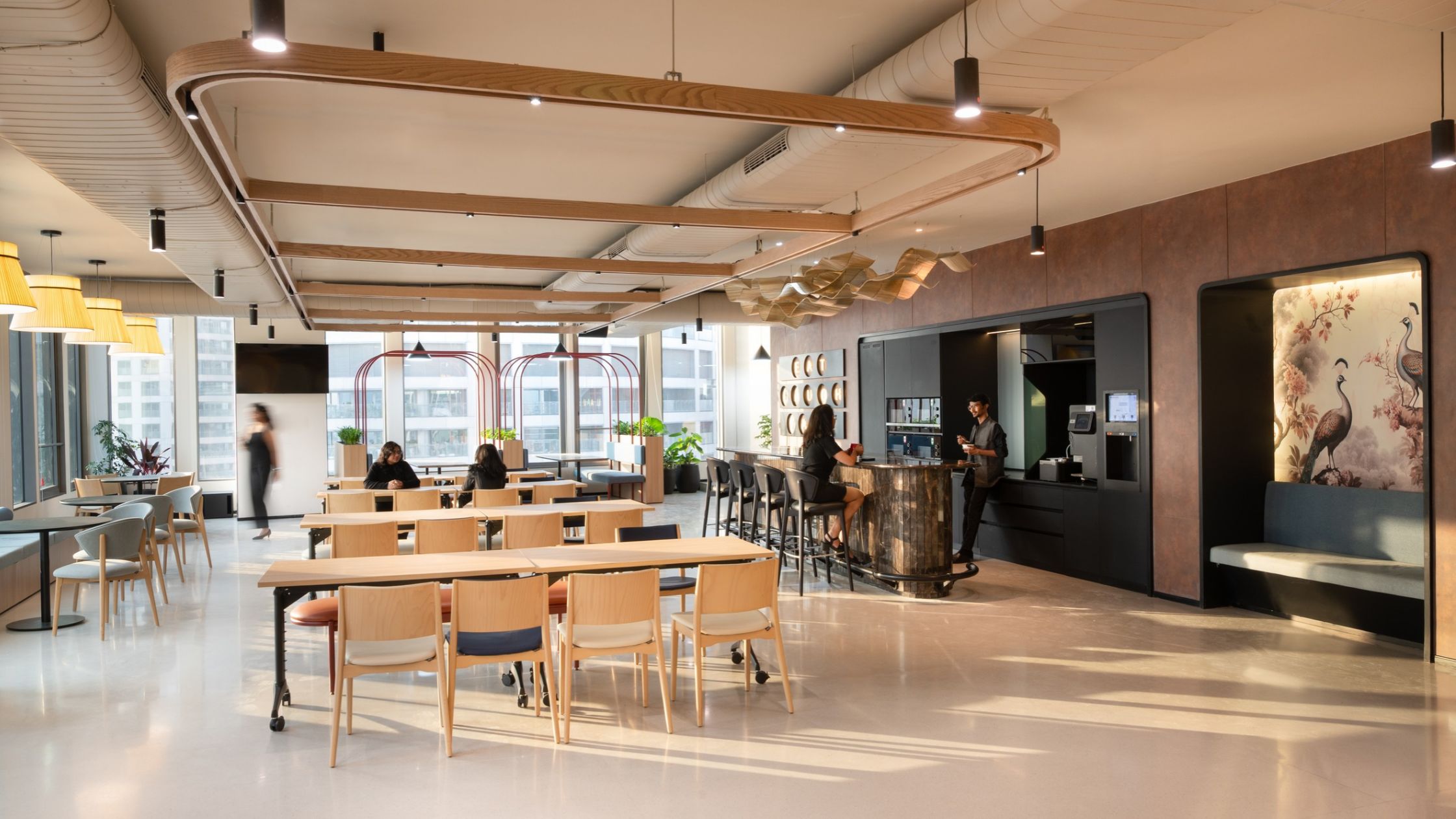
- Casual Café Experiences: Open, airy spaces with communal tables encourage collaboration over coffee.
- Wellness-Driven Dining: Fresh juice bars, farm-to-table concepts, and on-site herb gardens promote health and sustainability.
- Executive Dining & Social Hubs: High-end barista counters and fine-dining-inspired spaces create networking opportunities.
Example: American Express has embraced this trend with a vibrant, F&B-inspired workspace designed to nourish employees both physically and socially, offering a mix of healthy dining options and collaborative spaces that energize teams throughout the day.
3. Healthcare-Inspired Workplace Design
The Problem: Workplace Stress & Mental Fatigue
Traditional office environments often ignore the impact of stress, noise, and physical discomfort on employee well-being, leading to burnout and decreased productivity.
Why This Crossover Works
Healthcare environments prioritize holistic wellness - combining ergonomic comfort, sensory balance, and spaces designed to reduce anxiety. By integrating these principles, workplaces can promote mental clarity, emotional balance, and overall well-being.
Design Inspirations:
- Sensory Design: Calming soundscapes, soft lighting, and soothing scents reduce stress and enhance focus.
- Ergonomic and Supportive Design: Adjustable desks, ergonomic seating, and anti-fatigue flooring ensure physical comfort.
- Quiet, Reflective Zones: Modeled after hospital recovery rooms, these spaces allow employees to recharge in tech-free environments.
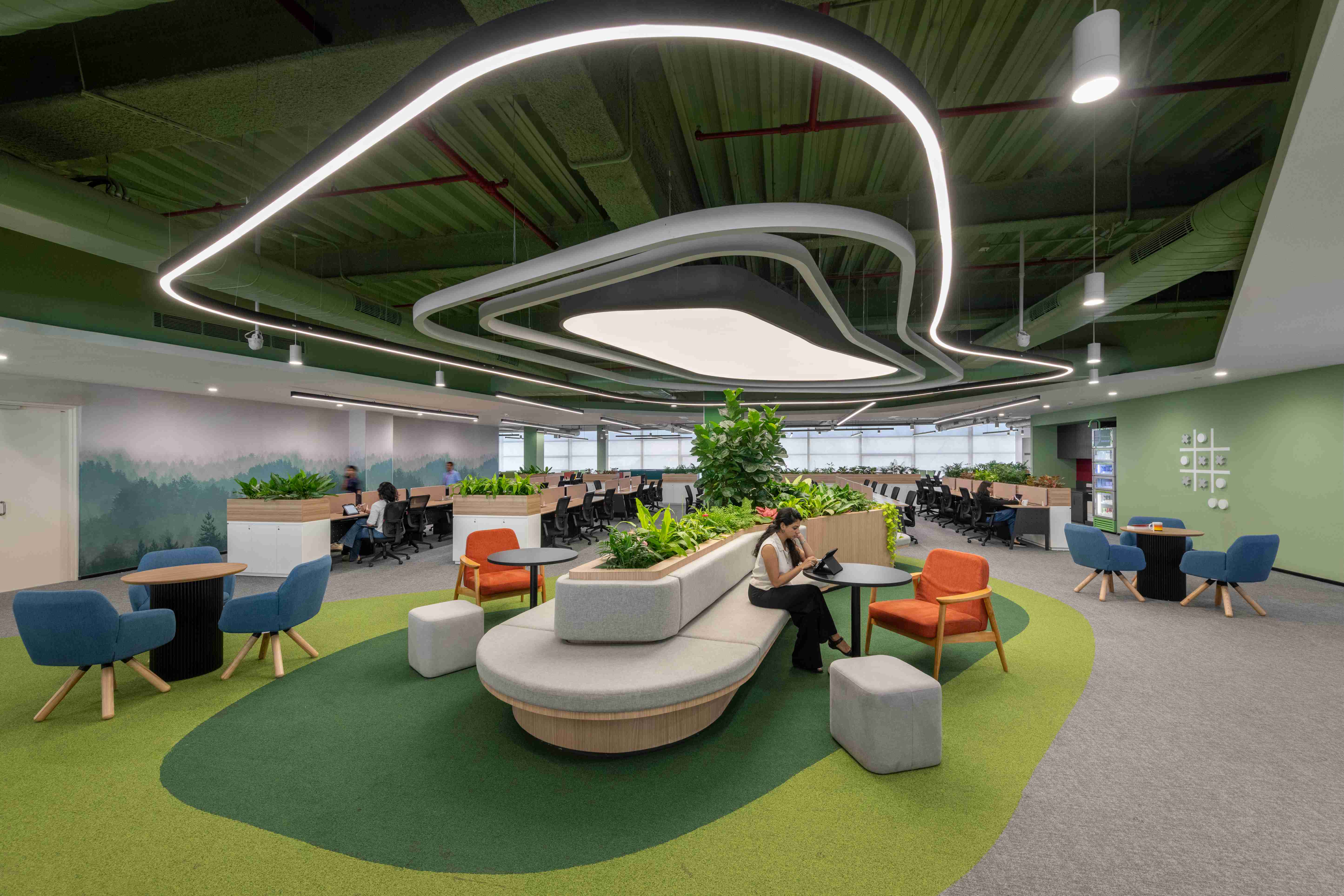
Example: Gartner’s Singapore office embodies this philosophy, incorporating biophilic design, wellness-focused breakout areas, and ergonomic furnishings to create a workspace that supports both mental and physical health.
4. Retail-Inspired Workplace Design
The Problem: Lack of Brand Connection & Employee Loyalty
With hybrid work giving employees more options, organizations face the challenge of maintaining a strong brand presence and fostering loyalty.
Why This Crossover Works
Retail has mastered the art of experiential branding - engaging customers through immersive store designs. Workplaces that adopt this approach help employees feel deeply connected to the company’s culture and mission.
Design Inspirations:
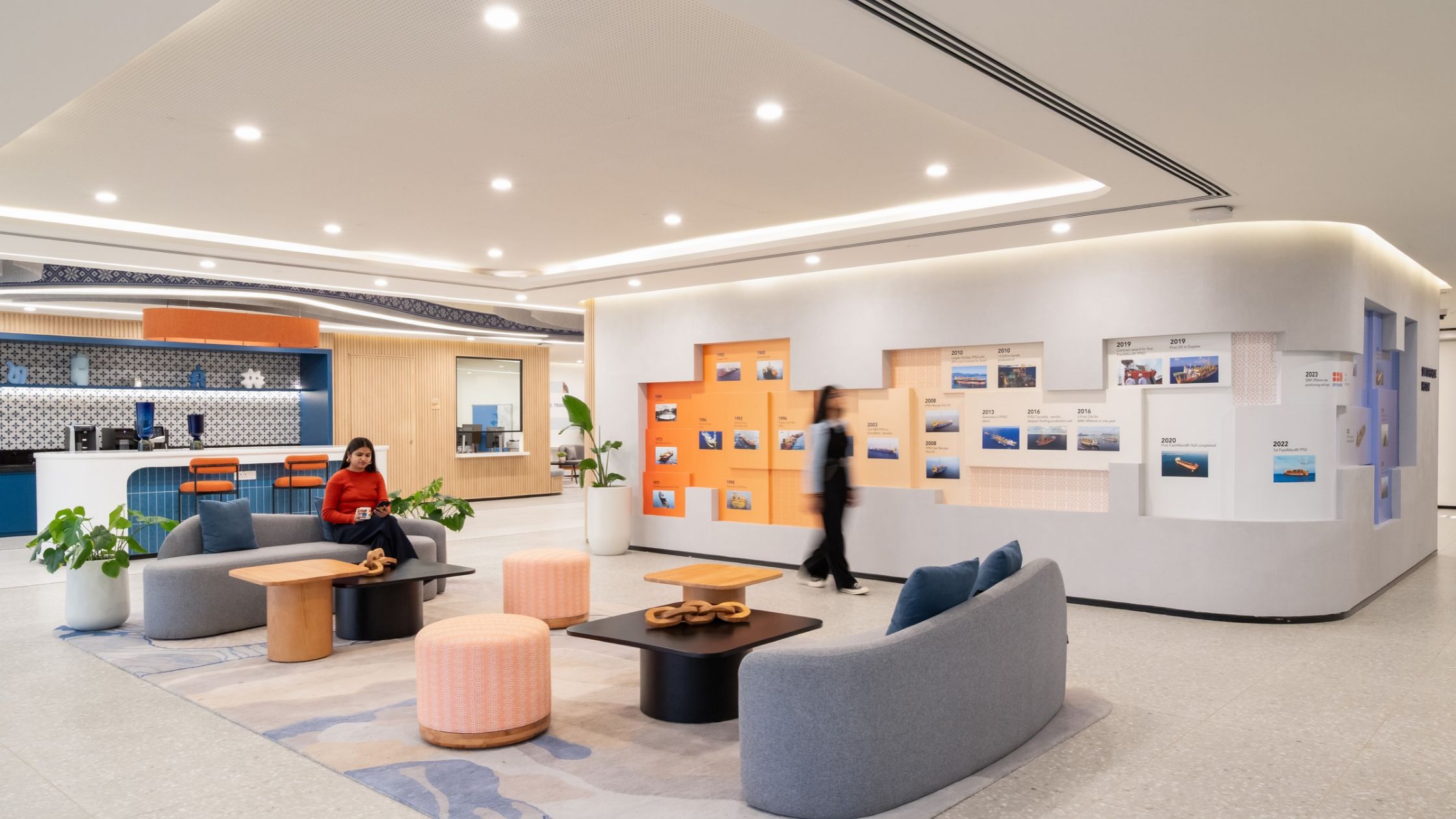
- Showroom-Style Spaces: Offices display company milestones and innovations in a way that makes employees feel part of something bigger.
- Pop-Up Installations: Rotating brand-focused exhibits spark curiosity and engagement.
- Seamless Wayfinding: Branded signage and intuitive layouts create a sense of identity and belonging.
Example: Forward thinking firms are incorporating retail-style branding into their offices to reinforce their identity. By treating the workspace as an extension of the brand, companies ensure employees stay connected to their mission and values.
5. Entertainment-Inspired Workplace Design
The Problem: Creativity Block & Monotonous Work Culture
A rigid work environment stifles creativity and innovation. Employees crave inspiration, yet most offices lack elements that encourage playful engagement.
Why This Crossover Works
Entertainment venues prioritize immersive experiences, blending fun with engagement. Bringing these principles into workplaces fosters creativity, collaboration, and stress relief, leading to a more dynamic and inspired workforce.
Design Inspirations:
- Screening Rooms: Multimedia spaces for presentations, team-building events, or film screenings.
- Performance Areas: Open spaces for live events and celebrations encourage community and culture.
- Interactive Digital Walls: Gamified and real-time updates create an energetic work environment.
Example: Companies integrating gaming lounges and interactive zones find that employees feel more energized, collaborate more effectively, and experience lower stress levels.
In Conclusion
By borrowing trends from these diverse sectors, businesses are designing workplaces that go beyond functionality to create rich, engaging, and human-centric environments. These crossovers solve real challenges - employee disengagement, stress, lack of collaboration, and brand detachment - by offering spaces that nurture well-being, creativity, and connection.
Whether it’s the warmth of a luxury hotel, the nourishment of a café, or the wellness focus of a healthcare facility, these inspirations remind us that the best workplaces put people first. Ultimately, it’s not just about where we work but how we feel while working - and that makes all the difference.