Employee Engagement Breakdown: The Billion-Dollar Threat Lurking in Your Office
By: Jessica Wan
Something’s not working—and it shows. Despite major investments in employee retention and flexible work policies across industries, workforce engagement is continuing to plummet.
Morale is low, turnover is rising, productivity is stagnating, and workplace cultures are struggling to stay resilient in the face of constant change. Gallup’s 2025 State of the Global Workplace report puts hard numbers to this growing crisis—and reveals a critical factor often ignored in boardroom strategies: the physical workplace.
The Disengagement Epidemic: A Silent Threat with Loud Consequences
Global engagement rates have dropped to just 21%, matching the pandemic’s lowest levels.
Over 6 in 10 employees are simply not engaged, and 17% are actively disengaged—emotionally disconnected, dissatisfied, and inadvertently undermining team morale and performance.
This is more than a cultural issue. It’s a full-blown economic emergency.
In 2024 alone, Gallup estimates that disengagement resulted in $438 billion in lost productivity. When you factor in indirect costs—attrition, absenteeism, operational inefficiencies, poor customer experiences—the total impact climbs toward trillions of dollars, or nearly 9% of global GDP.
The takeaway? Disengaged employees don’t just underperform—they actively erode business performance.
What’s Causing the Decline? The Manager Bottleneck
Gallup attributes 70% of engagement variance to one factor: the manager. But here’s the twist—manager engagement is also falling, creating a domino effect across teams.
The steepest drops are among:
- Managers under 35 (–5 points YoY)
- Female managers (–7 points)
- Managers leading hybrid teams, many of whom report burnout and decision fatigue
While poor leadership is often blamed, this narrative is incomplete. A more holistic look reveals another truth: engagement is deeply influenced by where and how people work every day.
The environments people show up to—their ability to focus, collaborate, connect, and recharge—can either support or sabotage even the best leadership.
The Overlooked Starting Point: The Physical Workplace
Conversations around engagement typically focus on values, vision, or policies. But the physical workplace is where those ideals are experienced—or forgotten.
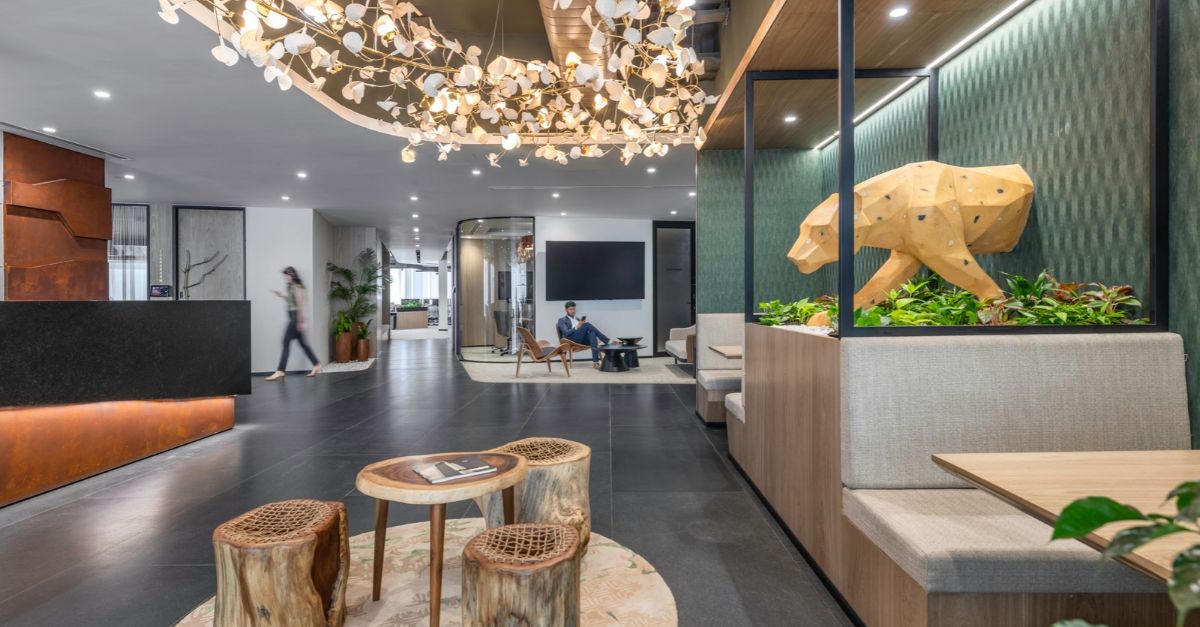
Because at its core, the workplace is more than just a setting—it’s a daily experience. One that shapes how people connect, collaborate, and contribute. When uninspiring, isolating, or poorly aligned with employee needs, it accelerates disengagement.
But when designed with intention, it becomes a powerful lever to:
- Foster collaboration and belonging across generations
- Reinforce the visibility and accessibility of leadership
- Enable both deep focus and spontaneous connection
- Promote well-being, autonomy, and trust
- Visibly express brand values and purpose
In short, your workplace can do more than house your team. It can drive performance, loyalty, and talent magnetism.
The Hidden Cost of Poor Workplace Design
Neglecting workplace design is no longer an operational oversight—it’s a strategic misstep. A disengaged workplace leads to:
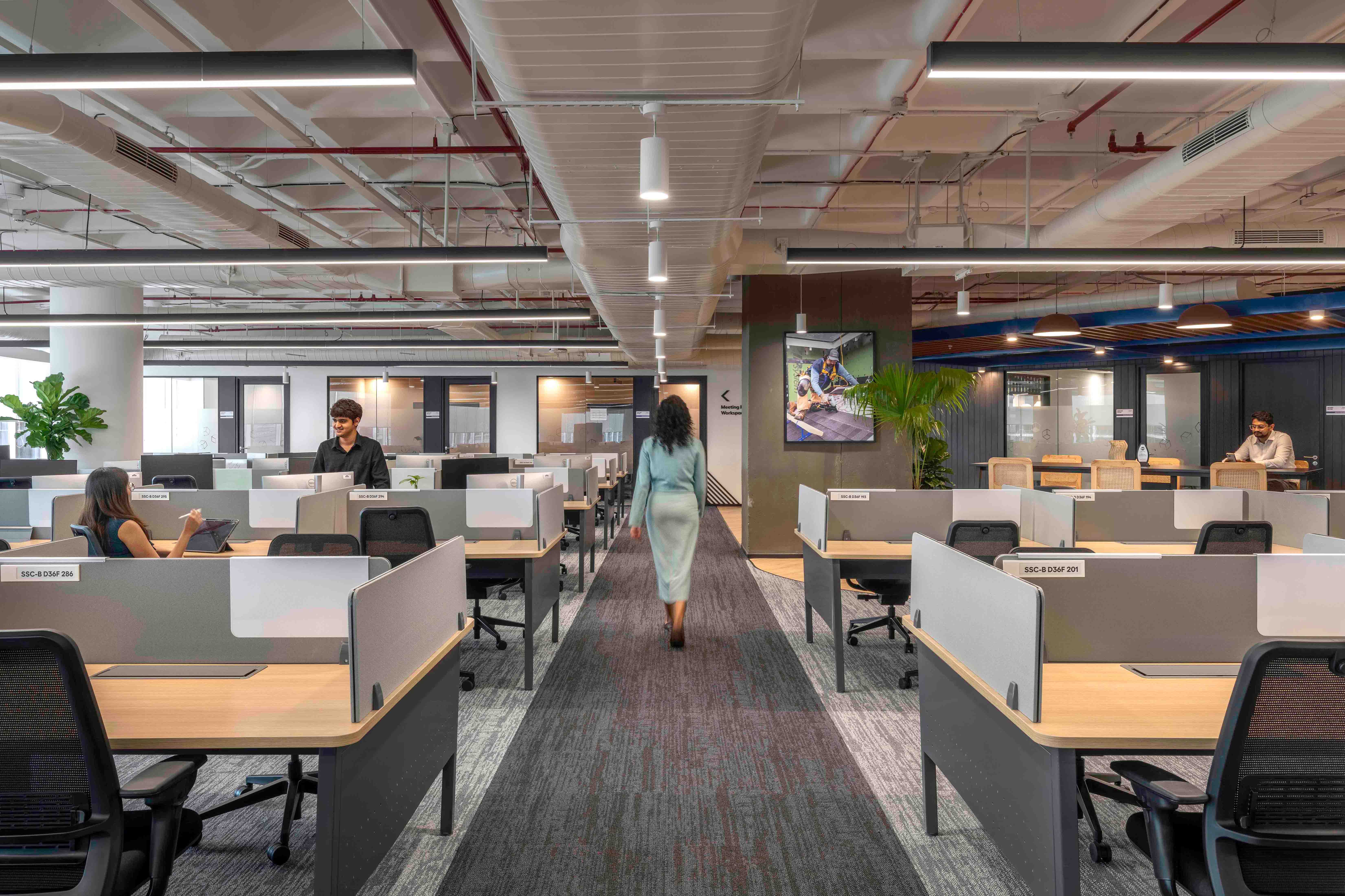
- Reduced productivity: Poor layouts, lack of natural light, and generic design stifle focus and creativity.
- Attrition and hiring challenges: Top talent seeks spaces that reflect their values and support their well-being.
- Manager burnout: Leaders are forced to manage disconnection instead of enabling performance.
- Stalled innovation: Collaboration suffers when people feel physically and emotionally disconnected.
Consider this: disengagement costs an average of 18% of an employee’s annual salary. For a 1,000-person company with a 60% disengagement rate, that could mean losing millions annually, often silently.
The Strategic Way Forward: Design for Engagement
Employee engagement isn’t a wellness perk or HR metric—it’s a core business multiplier. And workplace design is emerging as one of the most underleveraged levers in building a compelling Employee Value Proposition (EVP).
Here's how organisations can make design part of their engagement strategy:
1. Empower Managers with Spaces to Lead
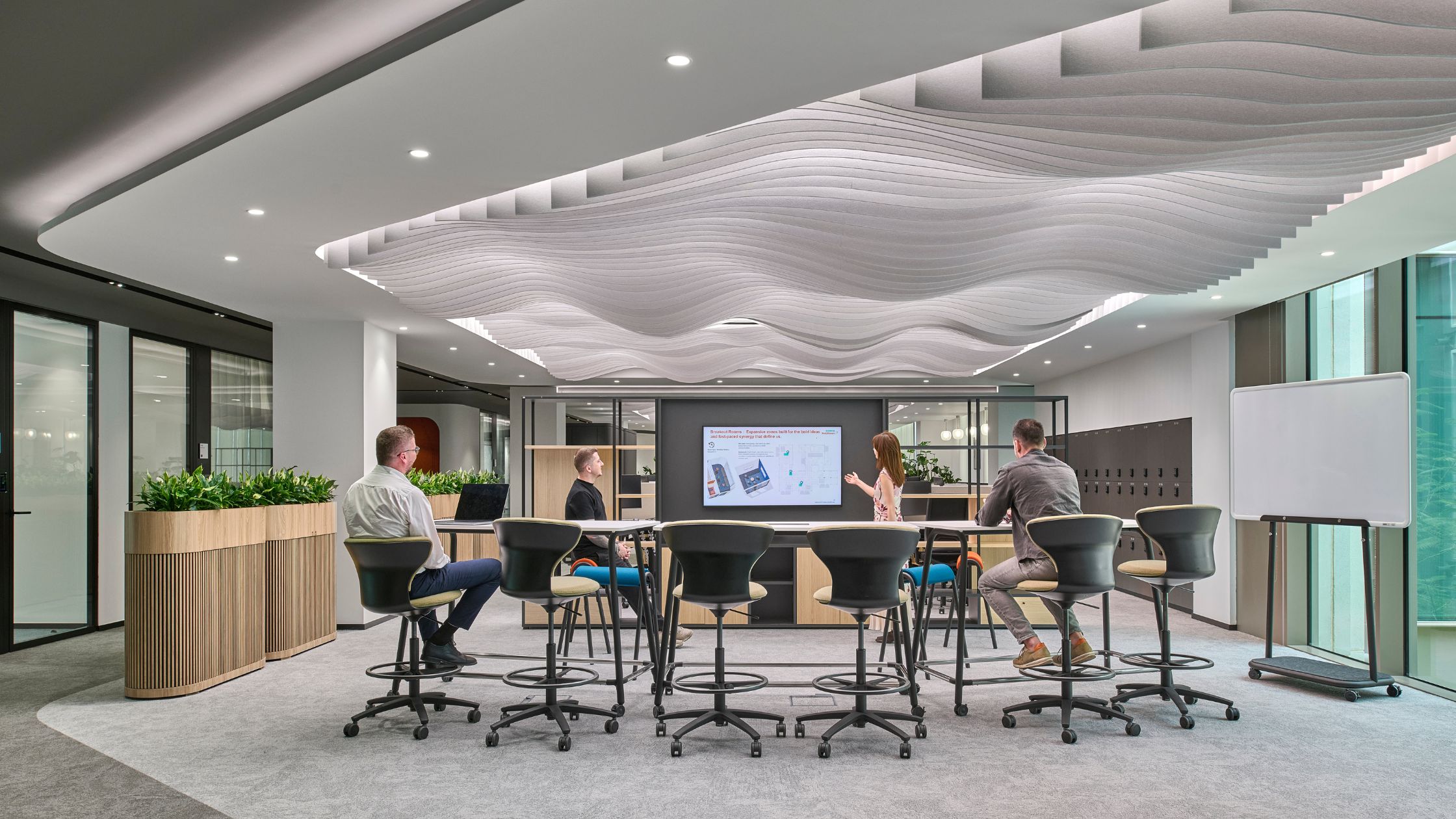
Leadership thrives in visibility. Create zones that encourage presence and connection—touchdown areas, team huddles, and private 1:1 spaces. Leadership needs room to breathe and be seen.
2. Support Autonomy and Belonging
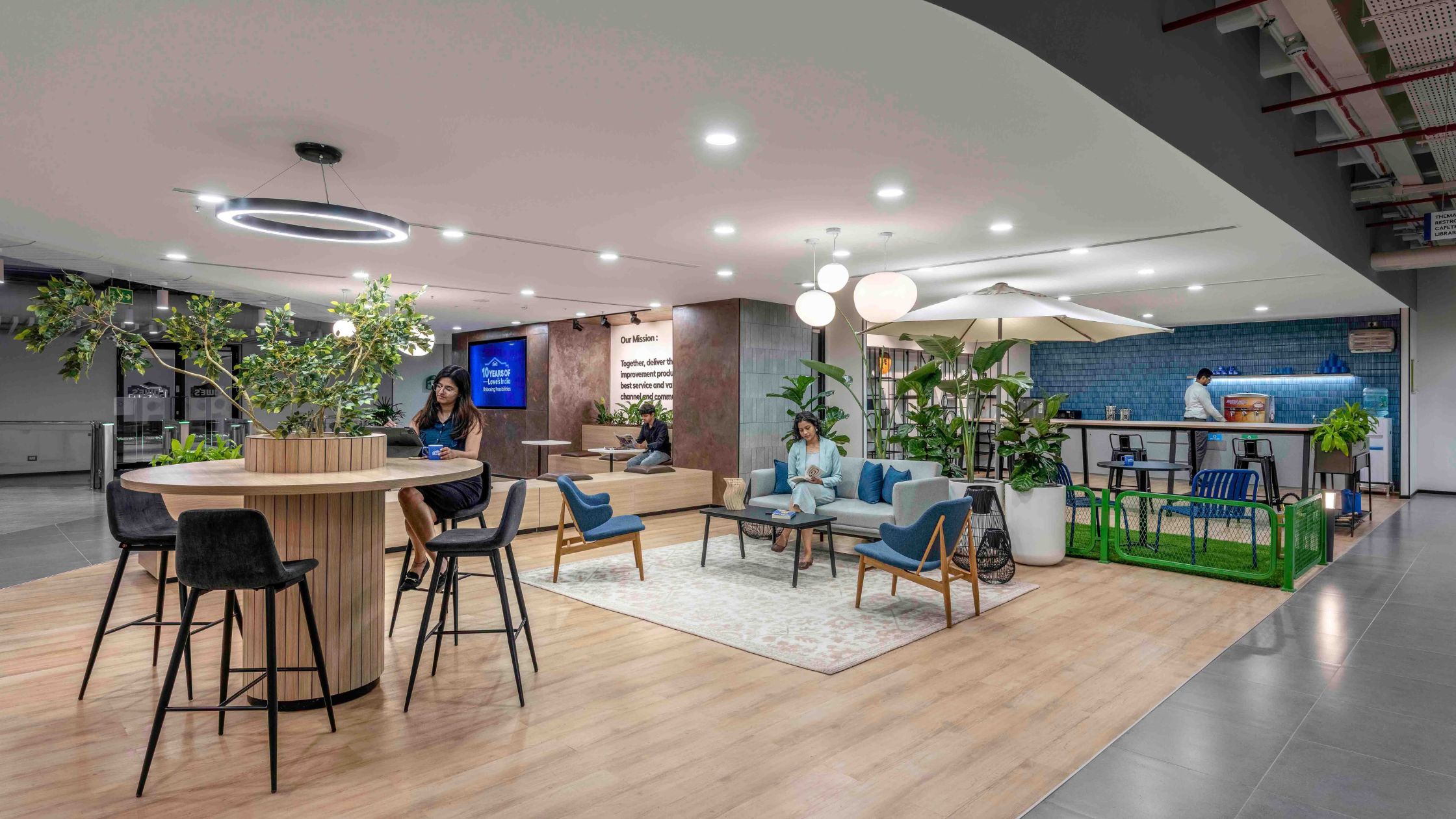
Design for choice. Whether it’s quiet pods, collaborative hubs, or hybrid-ready tech zones, spaces should support how different people work best, across roles and generations.
3. Infuse Purpose and Brand into Every Corner
Use space to amplify your mission and identity. From visual storytelling to purposeful layouts, the workplace can become a living expression of what your brand stands for—and why talent should choose you.
4. Design with Well-being as a Baseline, Not a Bonus
Wellbeing-focused design—natural light, biophilic elements, ergonomic setups, acoustic balance—isn’t just good for morale. It directly drives productivity, retention, and engagement.
5. Reimagine the Office for a Hybrid Future
Today’s workplace must offer what home cannot—community, culture, mentorship, and energy. It should be a place people want to come to, not one they’re mandated to return to.
The Workplace Is Your Untapped Business Growth Tool
When you reimagine your workplace as a strategic asset—not just overhead—it starts to return value across the full EVP spectrum:
- Productivity: Designed environments help teams perform at their peak
- Well-being: Healthier spaces lead to healthier people—and bottom lines
- Talent Attraction: A compelling workplace draws top talent organically
- Employer Brand: Your space tells your story—loudly and credibly
- Multigenerational Engagement: Design bridges generational expectations and workstyles
When engagement is low, even the best benefits fall flat. But when it’s high, every investment yields exponential returns:
- 23% higher profitability
- 18% higher productivity
- 43% lower turnover
Employee Engagement: Designing for Everyday Impact
Strong engagement among employees is not built through policies alone. Instead, it is shaped by the environments employees interact with every day. When workplaces are intuitive, flexible, and aligned with real work patterns, they reduce friction and create a sense of ease that directly influences performance. Spaces that support both collaboration and deep focus allow individuals to move seamlessly between tasks, reinforcing clarity and purpose.
But what truly determines whether these environments succeed? What role does employee engagement play in shaping workplace performance outcomes? The answer lies in consistency of experience. When employees repeatedly encounter spaces that support their needs, it builds trust in the organisation’s intent, translating into stronger motivation and sustained contribution.
Employee Engagement Matrix: Linking Space to Measurable Outcomes
An engagement matrix gives organisations a structured way to evaluate how workplace design impacts behaviour and performance. By mapping spatial elements like collaboration zones and focus areas against engagement drivers, leaders can identify what’s working and what needs refinement.
This approach turns design into a measurable strategy rather than a subjective exercise. But how effective is an employee engagement matrix in solving disengagement at scale? Its strength lies in clarity. By connecting employee experience data with spatial decisions, organisations can prioritise changes that deliver the highest impact, creating workplaces that continuously evolve with both employee needs and business goals.
Final Thought: Stop Treating Engagement as an HR Issue
The disengagement crisis is real. And the economic impact is no longer theoretical—it’s playing out in real time.
The solution doesn’t lie in pulse surveys or leadership offsites. It starts with the spaces where people spend their days. With the environments that shape mood, motivation, and meaning.
The physical workplace is ground zero for culture, engagement, and performance.
Organisations that reimagine their workplaces as engagement engines, not just cost centres, will unlock new levels of performance, resilience, and growth.
Because when your people thrive, your business does too.
Ready to turn your workplace into your most powerful engagement tool?
It’s not just about where people work.
It’s about how they feel when they do.