By: Space MatrixLast updated on: September 15, 2026
Save
Share
Email
GCC vs BPO Workspace Design: A Complete Guide for US and UK Enterprises
For decades, United States and United Kingdom enterprises viewed expansion into India through a singular lens: cost arbitrage. The primary goal was to offshore routine tasks to a cheaper labour market.
Today, the strategic intent has fundamentally evolved. India has transformed from a back-office cost centre into a global value centre, driving core innovation, complex engineering, and executive leadership for multinational firms.
This massive shift in corporate ambition dictates a completely different approach to commercial real estate. When setting up operations in the APAC region, choosing the right physical environment is a major strategic decision. A thorough GCC vs BPO workspace design comparison reveals that the traditional, high-density outsourced floor plan no longer serves the needs of modern enterprises. To tap into India's premium talent pool and generate true intellectual value, Western firms must adopt the Global Capability Centre model, creating spaces that rival their headquarters in London, New York, or Silicon Valley.
Quick Summary
Explores the evolution of US and UK enterprise intent in India from cost savings to global value creation.
Makes a definitive case for the capability centre model as the optimal real estate strategy for modern offshore operations.
Compares seat density, employer branding, and talent retention across both approaches to highlight the limitations of traditional outsourced spaces.
Details how organisations can transform legacy transactional offices into strategic innovation hubs.
The Evolution of Intent: India as a Global Value Centre
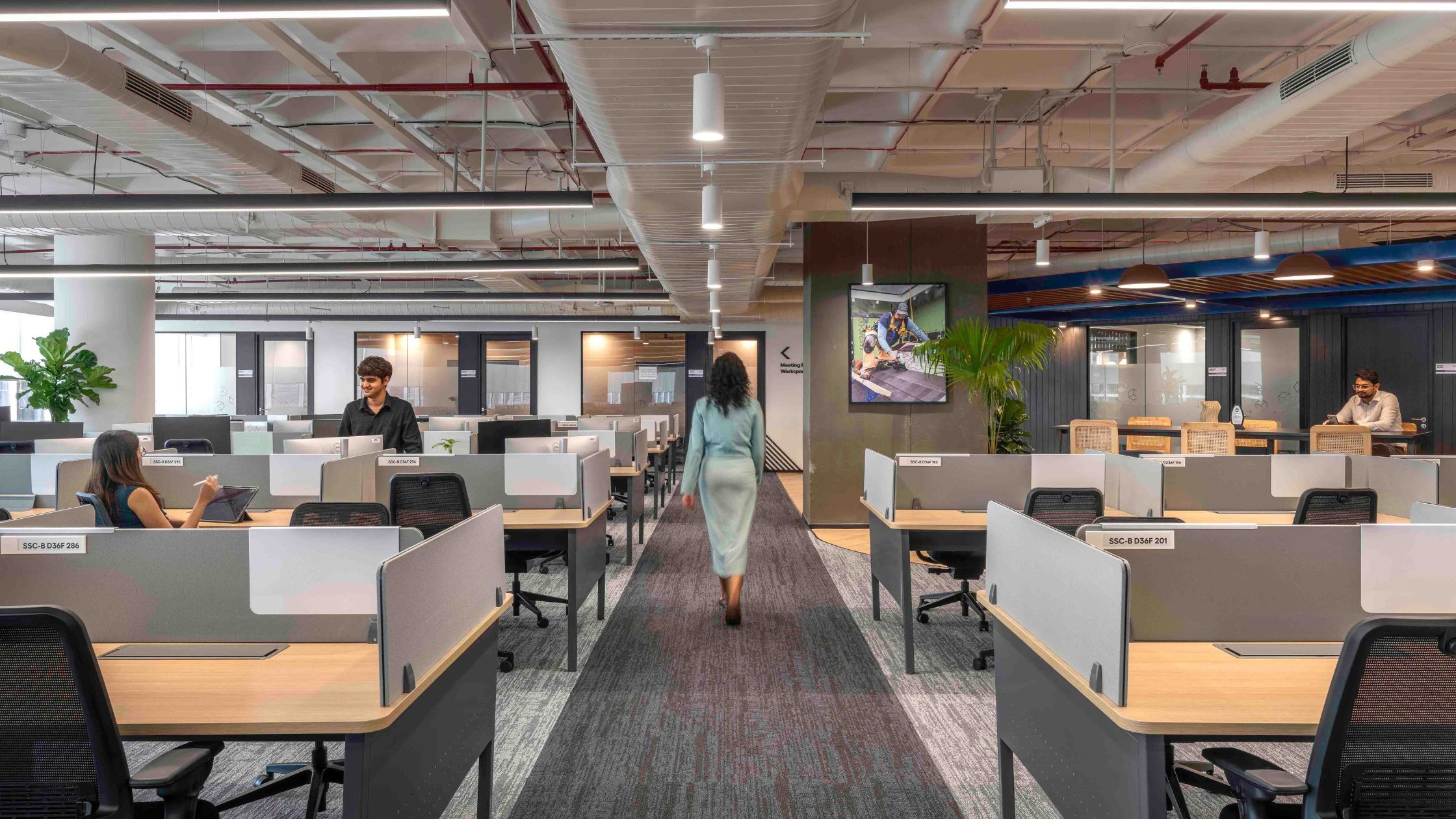
Historically, Western firms entered the Indian market to execute repetitive, process-driven work. The real estate strategy matched this intent: pack as many desks into a floor plate as possible to maximise efficiency and minimise lease costs. The physical office was purely a container for transactional labour.
Today, the narrative has flipped. US and UK enterprises now rely on their Indian teams for artificial intelligence development, advanced data analytics, and strategic product engineering. The workforce is highly specialised, and the intellectual property they handle is critical to the parent company's global success. In this new paradigm, the office is no longer a cost to be minimised. It is a strategic tool designed to foster collaboration, protect sensitive data, and integrate offshore teams deeply into the global corporate culture.
GCC vs BPO Workspace Design: A Strategic Comparison
Understanding the fundamental differences between these two models helps decision-makers align their real estate investments with their broader business goals. A Global Capability Centre is owned and operated by the parent company, serving as a dedicated extension of the Western headquarters. A Business Process Outsourcing operation is typically managed by a third-party vendor focusing on volume and efficiency.
Because the capability model focuses on value generation, its design prioritises human performance. The outsourced model, rooted in the legacy cost-centre mindset, prioritises spatial efficiency.
Strategic Feature
GCC Design Model
BPO Design Model
Primary Business Intent
Core Objective
Value creation and innovation
Cost reduction and scale
Aligning space with corporate goals
Space Allocation
Generous, activity-based zones
Dense, linear desk rows
Supporting complex vs routine work
Brand Identity
Immersive parent company culture
Neutral or vendor-specific
Building global team unity
Meeting Infrastructure
Abundant huddle rooms and pods
Minimal enclosed spaces
Facilitating strategic collaboration
Making the Case for the GCC Workspace Model
For any US or UK firm looking to leverage India's high-end talent, the capability centre approach is the only viable path forward. The design of these spaces actively drives the business outcomes that modern enterprises seek in the APAC region.
Fostering Innovation Through Space Planning
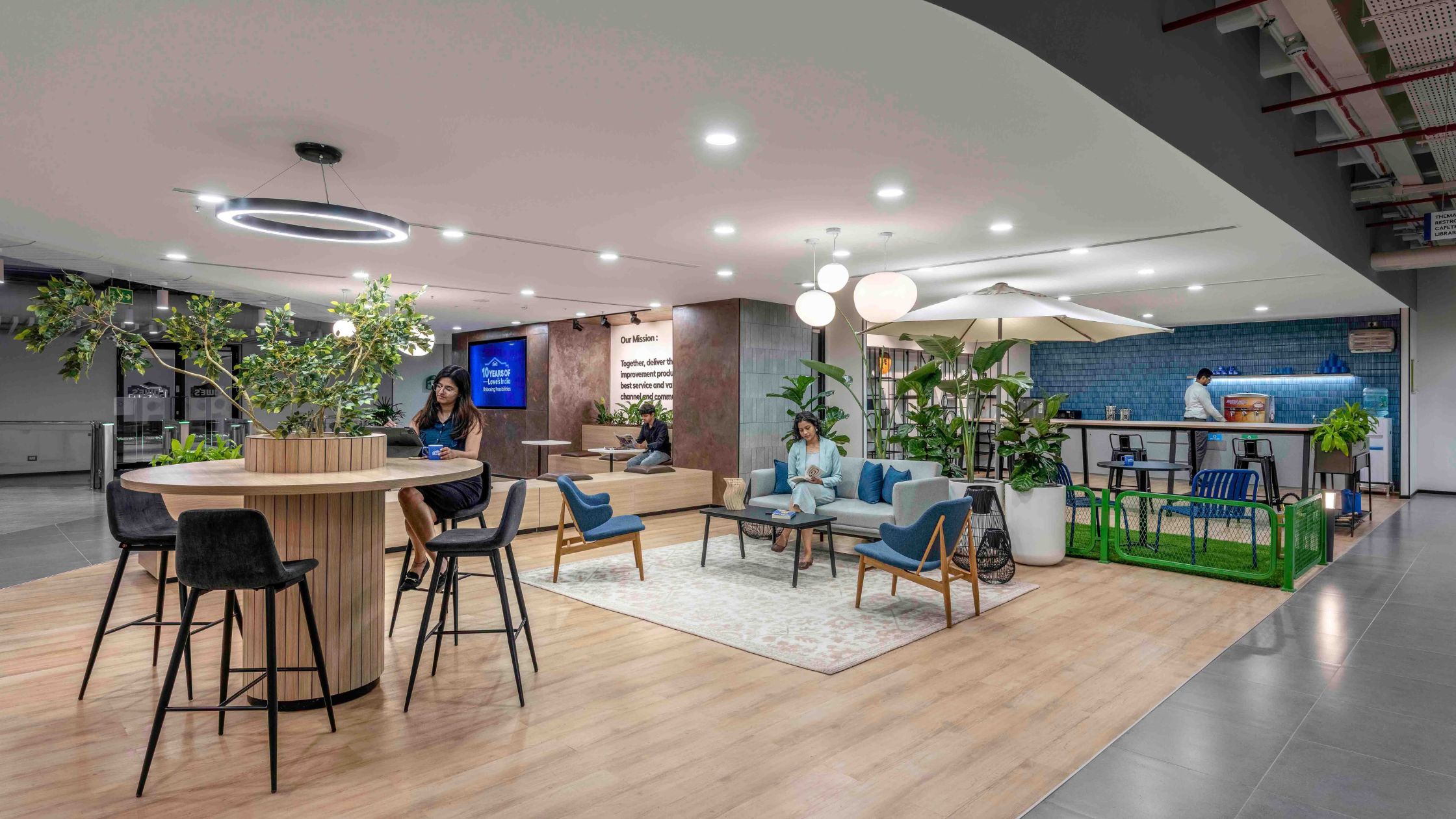
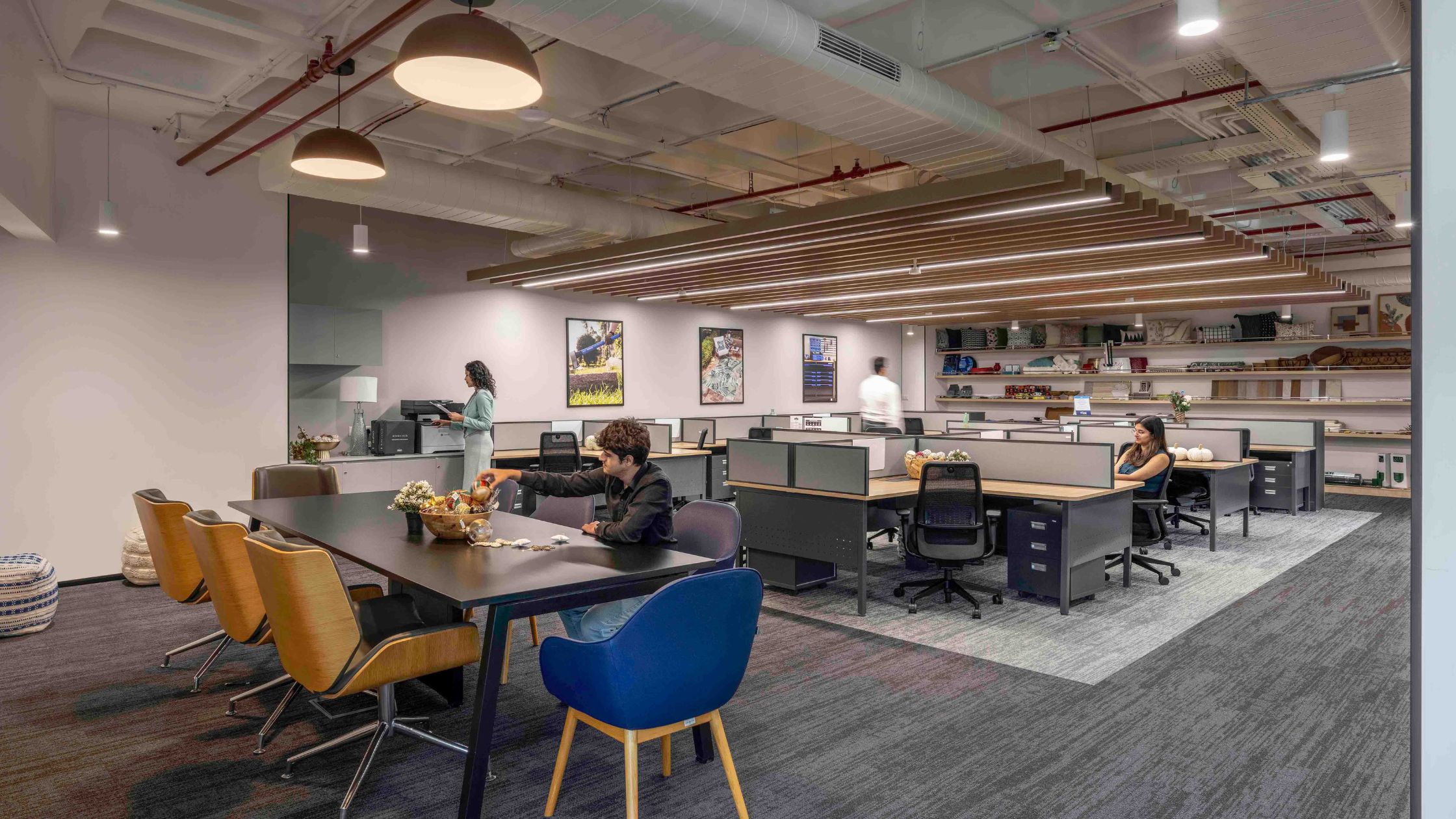
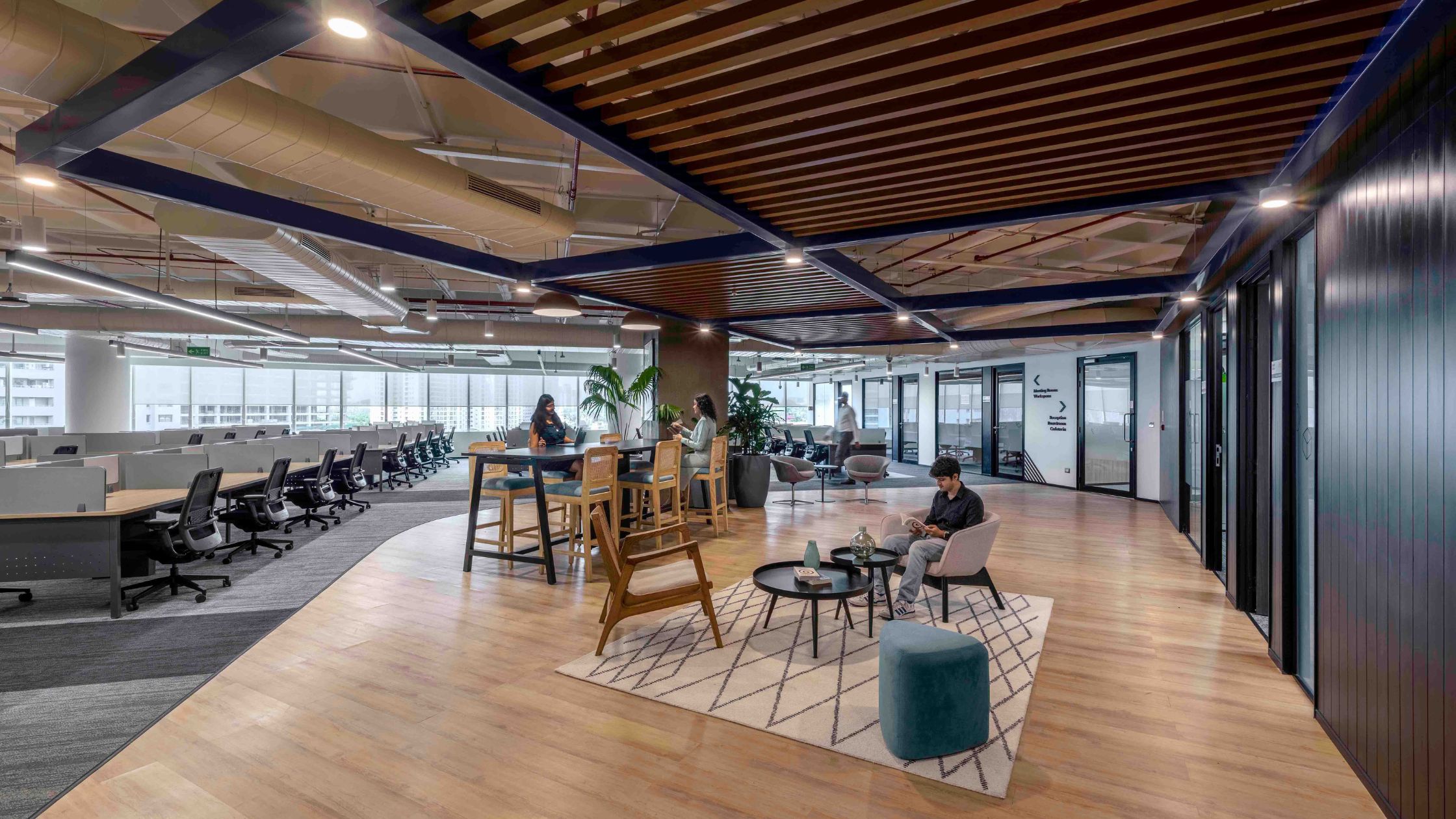
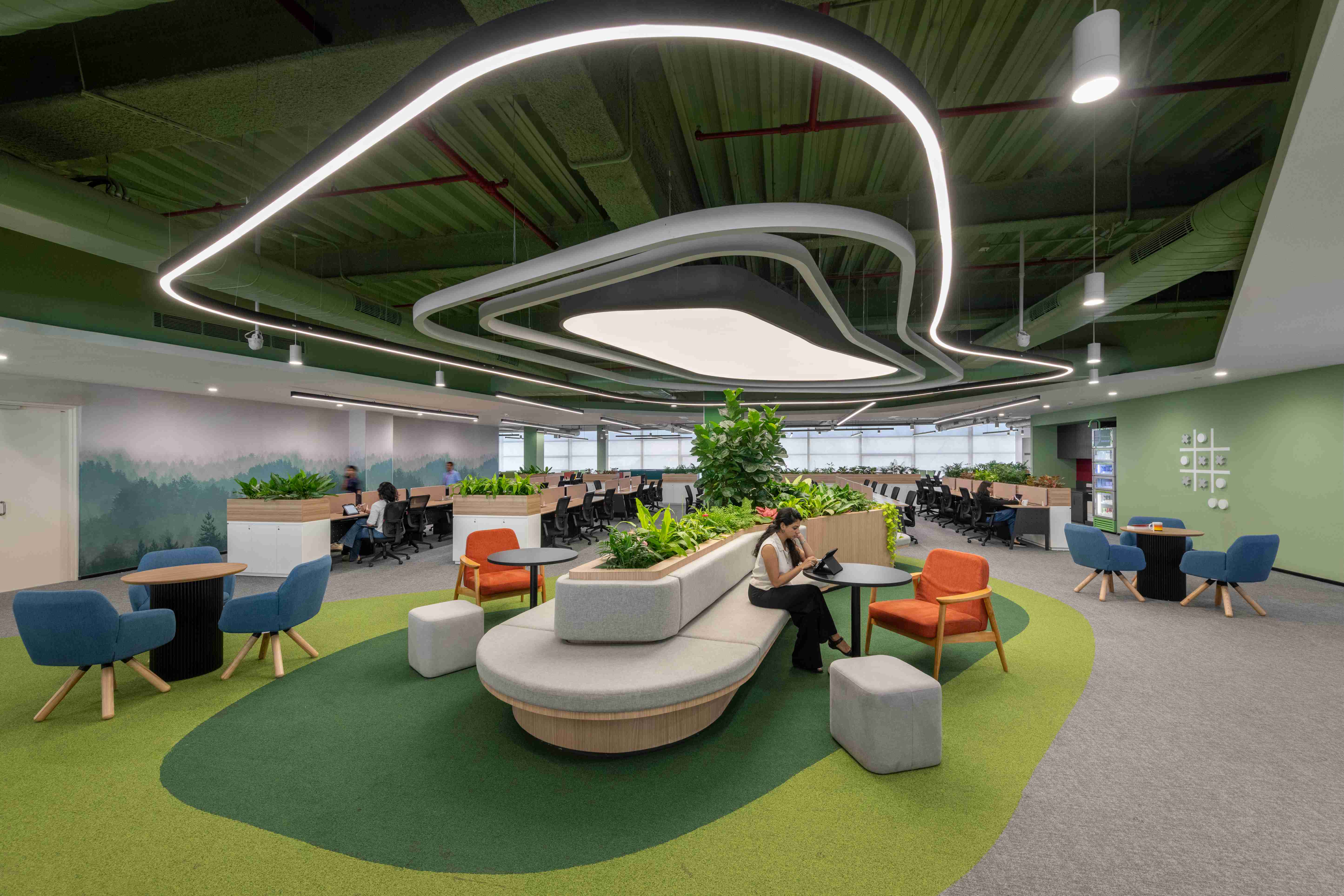
Complex problem solving cannot happen in a rigid, high-density environment. Capability centres provide a generous square footage ratio per employee, offering a variety of work settings. Engineers and analysts can move from focused, quiet zones to interactive huddle spaces as their tasks demand.
This activity-based working model is essential for a value centre. It mimics the agile workflows used in Western headquarters, ensuring that teams in India have the physical infrastructure required to brainstorm, iterate, and innovate seamlessly with their global counterparts.
Employer Branding and Global Integration
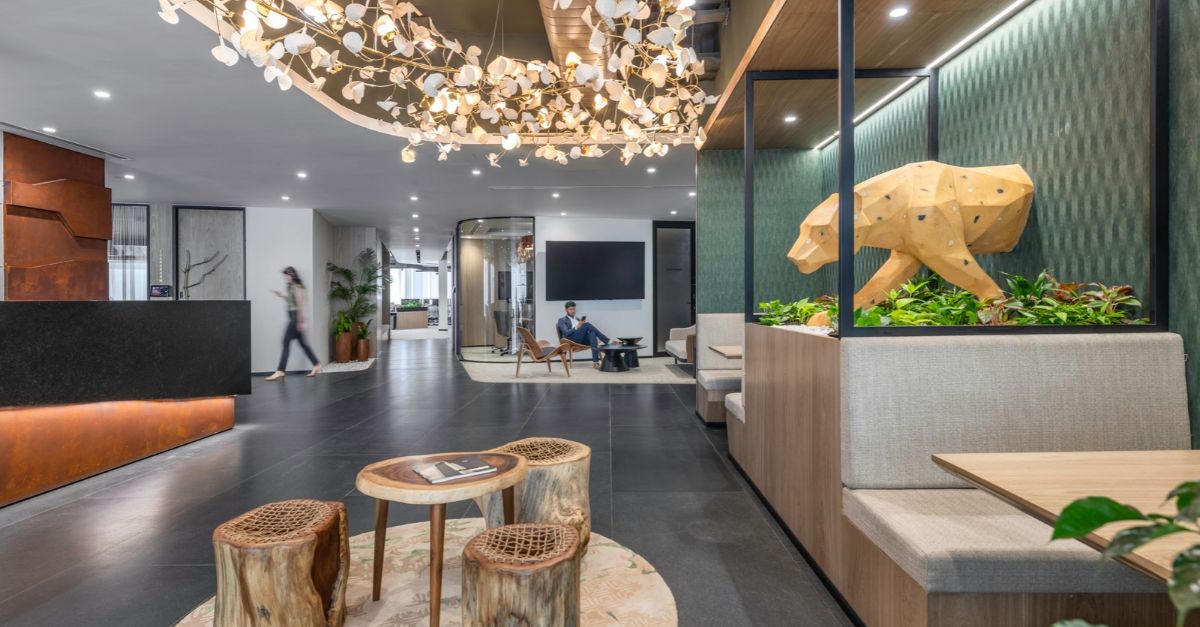
A true value centre must feel like a seamless extension of the parent company. The workspace design plays a critical role in this cultural integration. When Indian employees walk into a capability centre, the architecture, technology, and branding should instantly connect them to the global mission of the enterprise.
Unlike outsourced facilities, which often maintain a sterile, multi-client neutrality, a capability hub proudly displays the parent company's identity. Integrating local Indian art and sustainable materials with the global corporate aesthetic creates a powerful sense of belonging. This signals to the offshore team that they are not just contractors, but equal partners in the company's future.
Winning the War for Specialised Talent
India boasts one of the most competitive technology talent markets in the world. US and UK firms are no longer just competing with other foreign enterprises they are competing with well-funded local startups and global tech giants. A superior physical workplace is a vital recruitment and retention tool.
Highly skilled professionals expect premium amenities, natural light, ergonomic furniture, and wellness-focused environments. While high turnover is historically accepted in outsourced operations, losing a key data scientist or senior software architect in a capability centre is a massive blow to project continuity. Investing in a premium workplace design directly reduces attrition, protecting the enterprise's investment in human capital.
The Declining Role of Traditional Outsourced Spaces
While the outsourced model still serves a purpose for highly transactional, shift-based work, it is increasingly misaligned with the ambitions of forward-thinking enterprises. The high-density, cost-driven approach treats employees as interchangeable parts of a process.
In these environments, desks are often shared across multiple shifts to align with US and UK time zones, leaving little room for breakout areas or team-building spaces. The acoustic environment is often poor, which hinders focus. For companies entering India purely to cut operational costs on routine tasks, this model functions adequately. However, for firms seeking to build a long-term strategic advantage in APAC, the traditional outsourced layout is a severely limiting factor.
Redefining ROI: Investment in Value over Cost Savings
A common hesitation among Western decision-makers is the initial capital expenditure required for a capability centre. It is true that building a strategic hub costs more per seat than fitting out a dense, vendor-managed floor. However, evaluating this solely through the lens of upfront construction costs relies on an outdated, cost-centre mentality.
The true return on investment in a capability centre comes from the value it generates. A well-designed space accelerates product development, secures highly sensitive intellectual property through dedicated secure zones, and drastically reduces the hidden costs of staff turnover.
Financial Metric
GCC Strategy (Value Centre)
BPO Strategy (Cost Centre)
Long-Term Impact
Capital Expenditure
Higher initial investment
Lower initial investment
Reflects commitment to the market
Talent Replacement
Low attrition costs
High continuous recruitment costs
Stability of strategic projects
Output Value
High intellectual property generation
Volume-based task completion
Direct contribution to global revenue
For enterprise leaders, cutting corners on real estate in a market like India is a false economy. Replacing a single specialised engineering team due to a poor working environment will quickly eclipse the savings gained by choosing a cheaper, high-density office layout.
Evolving a Legacy BPO Office into a Strategic GCC
Many US and UK firms that initially entered India with a cost-saving mindset are now realising the market's true potential. Fortunately, an organisation does not necessarily need to abandon its current real estate to make the shift to a value centre. A legacy outsourced facility can be transformed into a modern capability hub.
Signs Your Operation Must Evolve
The catalyst for redesign usually comes from the work itself. If the offshore team is transitioning from basic customer support or data entry to handling complex analytics, software development, or financial modelling, the physical space must evolve to support them. Another clear indicator is talent drain. If skilled workers are leaving for competitors that offer superior, collaboration-focused facilities, the legacy workspace is actively harming the business.
A Phased Redesign Strategy
Transitioning from a dense, transactional layout to an activity-based capability centre can be achieved through a phased redesign, ensuring continuous support for the US and UK headquarters.
Phase 1: Conduct a thorough utilisation audit to identify areas where desk density can be reduced without disrupting immediate workflows.
Phase 2: Systematically remove linear desk rows in targeted zones, replacing them with enclosed meeting rooms, acoustic pods, and soft seating for informal collaboration.
Phase 3: Upgrade the technological infrastructure and integrate the parent company's branding to solidify the shift from vendor-managed space to a proprietary value centre.
This live-office upgrade requires careful planning and weekend construction schedules, but it effectively signals to the local workforce that the parent company is investing in their future.
Designing for the Future of APAC Expansion
The decision of how to build out an office in India is ultimately a declaration of corporate intent. Treating India as a mere cost centre is an outdated strategy that leaves immense potential untapped. By embracing the capability model, US and UK enterprises position their offshore teams to drive genuine business value.
As organisations expand further into India, including exploring emerging Tier 2 cities for fresh talent pools, the design philosophy must remain consistent. A capability workspace prioritises human connection, technological parity with headquarters, and environmental sustainability. By investing in a space that reflects the true value of the work being done, global enterprises ensure their APAC operations are engines of innovation rather than just exercises in cost reduction.
Frequently Asked Questions
Why is the GCC model considered a value centre rather than a cost centre?
The capability model focuses on generating intellectual property, driving global innovation, and handling complex, strategic tasks for the parent company. The physical design supports these high-value activities through collaboration zones and premium amenities, shifting the focus from saving money to creating revenue.
How does GCC vs BPO workspace design affect talent retention in India?
India has a highly competitive market for specialised tech and engineering talent. A capability design offers a premium, wellness-focused environment that matches global standards, which is crucial for retaining top professionals. Outsourced designs, focused on high density, often experience higher turnover due to the lack of supportive work settings.
Should our Indian capability centre replicate our US or UK headquarters exactly?
It should heavily reflect the headquarters' culture, technology standards, and employer identity to ensure global alignment. However, the best designs also incorporate local Indian cultural elements and materials to create a space that feels both globally connected and locally relevant.
Is it worth the higher upfront cost to build a capability centre?
Yes. While the initial capital expenditure is higher due to generous space ratios and advanced acoustic treatments, the long-term return on investment is substantial. The value generated by retaining specialised talent and accelerating innovation far outweighs the short-term savings of a high-density outsourced build.
Can we convert our existing high-density outsourced office into a capability hub?
Absolutely. Many Western firms transition their spaces through phased redesigns. By gradually reducing desk density and introducing collaborative spaces and brand elements, you can evolve the office into a strategic value centre without halting critical daily operations.
We use cookies to enhance your experience on our website, provide personalized content, and analyze site traffic.
By clicking "Accept All", you consent to our use of cookies. You can also choose "Preferred Cookies"
to select specific types of cookies that align with your preferences.
Essential cookies are always enabled to ensure website functionality.
You can choose to have only Essential cookies if you prefer minimal tracking.
Your choice regarding cookies on this site
Please choose whether this site may use Functional and/or Personalization cookies, as described below.
By selecting Required cookies only, you are requesting us not to sell or share your personal information.